






Understanding Seed Benefits
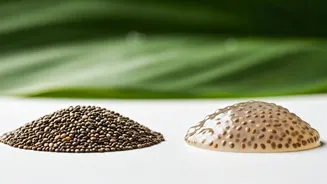
Chia and sabja seeds, often grouped for their similar look when hydrated and their general health benefits, play distinct roles in managing belly fat.
Neither seed is a magic bullet for fat burning, but their impact on appetite and digestion can significantly support weight management efforts. The core difference lies in their speed of action and the duration of their effects, making one potentially more suitable than the other depending on your specific weight loss aspirations and daily routine. This detailed look will help you discern which seed best complements your journey towards a leaner physique. They both leverage their high soluble fiber content, a well-established component for effective weight management and optimal gut health. Ultimately, understanding their individual strengths is key to making an informed choice.
Chia Seeds for Lasting Impact
Chia seeds are a powerhouse of soluble fiber, omega-3 fatty acids, and plant-based protein. When these seeds absorb liquid, they develop a gel-like consistency that effectively slows down the digestive process. This delay leads to a prolonged feeling of fullness, which is crucial for managing calorie intake and supporting weight loss. Research consistently shows that a higher fiber consumption is directly linked to more successful weight loss outcomes and better adherence to calorie-restricted diets. Studies specifically on chia seeds indicate that while they might not cause drastic weight reduction on their own, their regular inclusion in the diet can contribute to a noticeable decrease in waist circumference, suggesting a positive influence on central body fat. Therefore, chia seeds are best utilized as a component of a comprehensive weight management strategy that includes a balanced diet and regular exercise, rather than as a solitary solution.
Sabja Seeds for Digestive Comfort
Sabja seeds, also widely recognized as basil seeds, are exceptionally rich in dietary fiber, causing them to swell considerably when soaked in water. Studies highlight that these seeds comprise over 30% dietary fiber. This high fiber content works by decelerating digestion, rapidly inducing a sensation of fullness that helps curb appetite and reduce the likelihood of overeating. Furthermore, research indicates that sabja seeds have traditionally been employed to alleviate discomforts like acidity, bloating, and post-meal heaviness. This is particularly relevant as many individuals mistake bloating and digestive issues for actual belly fat. While sabja seeds do not directly metabolize fat, their ability to enhance digestive comfort and prolong satiety supports healthier eating patterns. When integrated into a balanced dietary plan, their primary contribution is to digestive well-being and short-term appetite management, rather than direct fat reduction.
Differentiating Their Roles
The key distinctions between chia and sabja seeds in relation to belly fat management lie in their operational speed and primary effects. Chia seeds operate more gradually, fostering a sustained feeling of fullness, supporting metabolic processes, and potentially contributing to a reduction in waist circumference over an extended period. Their benefits are more geared towards long-term fat loss strategies. In contrast, sabja seeds offer more immediate effects; they quickly alleviate hunger and tackle bloating, thereby helping to prevent impulsive overeating and providing short-term appetite control. Both seeds owe their effectiveness to their significant soluble fiber content, which is instrumental in managing weight and promoting a healthy gut microbiome. The choice between them hinges on whether your immediate concern is digestive comfort and appetite suppression, or a more gradual, sustained approach to fat loss and metabolic support.
Choosing Your Seed
Selecting between chia and sabja seeds for your weight loss regimen depends primarily on your specific health goals and current needs. If your objective is long-term fat reduction and you're seeking to enhance your body's metabolic functions over time, chia seeds are likely the more appropriate choice. Their gradual release of energy and sustained satiety contribute to a more enduring impact. On the other hand, if you frequently experience issues like bloating, discomfort after meals, or tend to overeat due to persistent hunger, sabja seeds might offer more immediate relief and better management of these specific concerns. Many nutritionists recommend a cyclical approach, incorporating both types of seeds at different times. This strategy allows you to benefit from their complementary properties, rather than viewing them as competing options, leading to a more holistic and effective approach to your health and wellness journey.
Optimal Usage for Results
To maximize the benefits of both chia and sabja seeds for your health and weight management goals, proper preparation and consumption are essential. It is advisable to soak approximately 1–2 teaspoons of either seed in water before consumption. This allows them to absorb liquid and form their characteristic textures, preventing them from absorbing moisture directly from your digestive tract. You can incorporate the hydrated seeds into various healthy beverages such hummus, refreshing smoothies, or mix them into yogurt or curd. It is crucial to avoid consuming these seeds in their dry form, as this can lead to discomfort or be less effective. Remember that these seeds should complement, not replace, a balanced diet and regular meals. They are valuable additions to a healthy lifestyle, supporting your efforts through fiber and satiety, but they are not a substitute for a nutritious and well-rounded eating plan.