




Shared Global Vision
India and Brazil, prominent nations within the Global South, are reinforcing their historical cooperation through a dynamic new strategic compact. Both
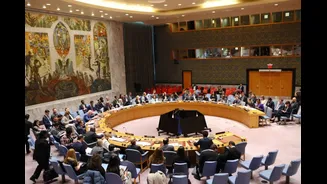
countries are united by a common aspiration for a multipolar global order, where power is distributed more equitably, moving away from a unipolar system. Their collaboration extends across various international platforms, including the BRICS group, G20, and the United Nations, where they advocate for sustainable development and poverty reduction. This shared outlook forms the bedrock of their deepening bilateral ties, which have seen strategic partnerships flourish in areas ranging from trade and investment to defense and space exploration. Furthermore, agreements promoting cultural exchange and tourism underscore their commitment to fostering stronger people-to-people connections. The growing prominence of both nations on the world stage, coupled with their aligned values and interests, has paved the way for this significant South-South alignment, built on mutual respect and solidarity.
Trade & Economic Ties
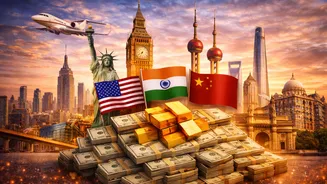
The recent engagement between India and Brazil has showcased a significant drive to bolster economic collaboration, partly in response to global trade uncertainties. During President Lula da Silva's visit to India, both nations committed to elevating their bilateral trade target to an ambitious $30 billion by the year 2030. This objective is underpinned by a demonstrated momentum in commercial exchanges, evidenced by a remarkable 25% surge in trade during 2025 compared to the preceding year. This renewed focus also signifies India's strategic interest in expanding its presence in Latin American markets, an area that has historically received less attention from New Delhi. The impetus for this closer economic alignment stems, in part, from shared experiences with substantial US tariffs, which have galvanized India and Brazil to actively pursue the creation of a more balanced and equitable international economic order through forums like BRICS and the G20. This concerted effort aims to create a more stable and predictable global trade environment.
Strategic Resources & Defense
A pivotal aspect of the India-Brazil partnership involves securing vital resources and enhancing defense capabilities. The agreements recently forged between the two countries concerning rare earths and mining represent a significant strategic investment for India. These crucial minerals are indispensable for India's energy transition initiatives and its broader infrastructure development goals. By collaborating with Brazil, India aims to mitigate its reliance on China, which currently dominates the global supply and processing of rare earths and critical minerals, thereby reducing its vulnerability to potential supply chain disruptions or the 'weaponization' of these resources. Brazil possesses substantial reserves of rare earths, positioning it as a key potential supplier. Simultaneously, Brazil stands to benefit considerably from India's advancements in defense manufacturing, its expertise in space technology, and its progress in digitalization. This mutual exchange of capabilities reinforces the partnership's strategic depth and underscores the commitment of both nations to fostering cooperation in areas critical for future growth and security.
South-South Compact
The evolving India-Brazil partnership serves as a powerful testament to the growing strength and significance of South-South cooperation. From a symbolic perspective, this deepening relationship reaffirms the commitment of these two developing nations to collaborate on strategic sectors, thereby giving a stronger voice to the concerns and interests of the Global South on the international stage. The collaborative spirit between India and Brazil is a model for how developing countries can work together effectively to achieve shared objectives and contribute to a more just and equitable global system. As the international landscape increasingly shifts towards a multipolar configuration, the influence and role of nations like India and Brazil are set to expand. The emerging South-South compact, with India and Brazil at its forefront, is strategically positioned to play an instrumental part in shaping the future trajectory of global governance and development, addressing pressing global challenges such as climate change and poverty.