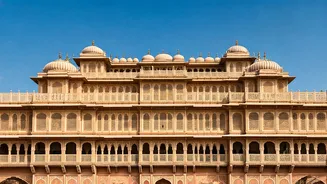




Palaces: Royal Residences
Palaces in India symbolize royal grandeur and architectural finesse. These structures, once homes to rulers, are now testaments to the rich history and artistic
skill of the country. Each palace tells a unique story, representing the power, culture, and artistic traditions of their respective eras. Several prominent palaces across India exhibit diverse architectural styles, reflecting regional influences and the preferences of the rulers. For instance, the City Palace in Jaipur, with its blend of Rajasthani and Mughal architecture, stands as a prime example. Its intricate carvings, courtyards, and vibrant colors embody the opulence of the Rajput era. Similarly, Mysore Palace, known for its intricate carvings, colorful domes, and the golden howdah, showcases the grandeur of the Wodeyar dynasty. These palaces not only served as administrative centers but also as vibrant hubs of culture, art, and social life. They held elaborate ceremonies, artistic performances, and fostered a sense of community. Today, many palaces have been transformed into museums and heritage hotels, preserving their legacy and providing visitors with a glimpse into the royal lifestyle. Exploring these palaces gives one an understanding of the historical context, architectural styles, and cultural heritage of India's royal past. They serve as constant reminders of the rulers, their legacies, and the fascinating history they have left behind.
Forts: Ancient Strongholds
Forts represent the strength and resilience of India's past, showcasing impressive military architecture. These fortified structures, strategically built for defense, tell tales of battles, sieges, and the rise and fall of empires. Each fort is unique, built by various dynasties, reflecting their military strategies, engineering capabilities, and aesthetic preferences. Key examples include the imposing Mehrangarh Fort in Jodhpur, famed for its massive walls and intricate carvings, and the formidable Red Fort in Delhi, a UNESCO World Heritage site, which showcases Mughal architecture and served as the seat of power for Mughal emperors. The forts' structures reveal sophisticated planning, often incorporating complex systems of gates, watchtowers, and underground passages. For example, the Amber Fort in Jaipur boasts a blend of Hindu and Mughal architectural styles, featuring intricate mirror work and expansive courtyards, highlighting the artistic skills of the time. Exploring these forts allows one to appreciate the architectural prowess, understand the strategic importance of their locations, and learn about the history of the various dynasties. They not only served as defensive structures but also as administrative centers and cultural hubs, hosting courtly life, artistic endeavors, and social events. Today, forts remain popular destinations, offering visitors a chance to step back in time and witness the grandeur and resilience of India's historical past.
Caves: Ancient Sanctuaries
Caves in India are significant for their historical and religious significance, offering insights into ancient civilizations, early art forms, and spiritual practices. These natural formations, often modified by human hands, have served as shelters, religious retreats, and artistic canvases for centuries. The Ajanta and Ellora Caves in Maharashtra are amongst the most notable examples, showcasing incredible Buddhist, Hindu, and Jain cave temples. These sites feature intricate rock-cut sculptures, murals, and architectural details that depict stories from religious texts, daily life, and royal scenes. The craftsmanship found within these caves reflects the artistic skills and the religious fervor of the time. The carvings and paintings provide valuable insights into the beliefs, practices, and artistic styles of ancient India. Furthermore, the strategic locations of caves, often chosen for their seclusion and natural protection, indicate a deep connection between humans and the environment, as these places served as spiritual and artistic retreats. For example, the Elephanta Caves near Mumbai, featuring massive rock-cut sculptures dedicated to Lord Shiva, represent the cultural exchange and artistic growth during the medieval period. Exploring these caves provides a glimpse into the spiritual life and the artistic achievements of ancient India, where these spaces were used for religious activities, learning, and creative expression.
Archaeological Sites: Discovering Past
Archaeological sites in India offer a window into the ancient past, revealing the lives, cultures, and achievements of early civilizations. These sites include the remains of ancient cities, settlements, and monuments, providing valuable information about the evolution of human society. The Indus Valley Civilization sites, such as Mohenjo-daro and Harappa, are extremely significant. They demonstrate advanced urban planning, sanitation systems, and trade networks, showcasing the sophistication of the civilization. Further, sites such as Sanchi, showcasing beautifully preserved stupas and monasteries, tell about the spread of Buddhism across the region. These archaeological locations offer important information about the technological advancements, social structures, and cultural practices of ancient civilizations. For instance, the excavations at Taxila in present-day Pakistan reveal a confluence of Greek, Persian, and Indian cultures, highlighting trade and cultural exchange. These sites preserve significant artifacts, from pottery to sculptures, which reveal insights into daily life, religious beliefs, and artistic expressions of the era. Exploring these archaeological sites helps in understanding the development of human civilization, historical narratives, and the rich heritage of the Indian subcontinent. These locations show how early societies lived, worked, and developed across different parts of India.
Religious Places: Sacred Spaces
Religious places in India are critical cultural landmarks, signifying the spiritual landscape and diverse religious traditions of the country. These sacred spaces, including temples, mosques, churches, and gurudwaras, represent the unique architectural styles, religious beliefs, and artistic expressions of different faiths. The architecture of these locations, varying across regions, provides insight into the evolution of art and culture. For example, the Golden Temple in Amritsar is the spiritual heart of Sikhism, reflecting the principles of equality and service. The Meenakshi Amman Temple in Madurai, with its towering gopurams and intricate sculptures, signifies the rich tradition of Tamil Nadu. The Jama Masjid in Delhi, built during the Mughal era, exemplifies Islamic architecture and serves as a key center for the Muslim community. These religious sites serve as places of worship, community gathering, and cultural celebration, fostering a sense of unity and identity among believers. Festivals and rituals held in these places showcase the cultural diversity of India and provide a window into the lives of people who practice different faiths. They also contribute to the local economy by attracting tourists and pilgrims. Studying these religious places increases our understanding of India's spiritual heritage and historical narrative.