






Winter's Harsh Reality
The unforgiving chill of winter in Kashmir, where temperatures plummet to minus 20°C, presents unique survival challenges. This extreme cold directly affects
daily life, work, and the very survival of the local population. For residents, coping with the harsh climate is not just a matter of enduring; it is a way of life deeply ingrained in their culture. Traditional methods, developed over centuries, become essential tools for weathering the long, cold season. The use of the Kangri, a traditional firepot, plays a vital role in keeping people warm and enabling them to carry out their routine activities. Without these strategies, the winter in Kashmir would be even more challenging.
The Role of Firepots
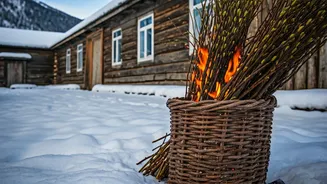
The traditional firepot, known as the Kangri, is an indispensable part of Kashmiri life during winter. This portable brazier provides crucial warmth, allowing people to function in the frigid environment. The Kangri is typically a small, woven basket containing an earthen pot filled with smoldering embers. Kashmiris carry this firepot under their traditional Pheran, a long, loose cloak. The Kangri's presence is felt everywhere – in homes, workplaces, and even while people are outdoors. The constant warmth it provides makes daily activities bearable. Furthermore, the Kangri is not just a source of warmth; it's a social emblem often shared and refilled by neighbors and relatives, thereby fortifying community bonds.
Life and Work
The Kangri's impact extends far beyond basic survival; it actively enables daily life and work in winter. Without the warmth provided by the firepot, many activities would be impossible. Imagine trying to weave intricate carpets, run small businesses, or simply tend to domestic chores in minus 20°C. The Kangri ensures that people can maintain their livelihoods. Artisans can continue their crafts, traders can keep markets open, and families can maintain a degree of normalcy. The firepot becomes an enabler, allowing the economy to function and preserving the cultural practices of Kashmir during the challenging winter period. The Kangri supports all facets of life during this season.
Survival and Adaptation
Kashmiris' capacity to adapt and survive during the harsh winter is a testament to their resilience and ingenuity. The Kangri is at the forefront of these survival strategies, forming a cornerstone of their winter preparedness. The usage of this firepot embodies a deep understanding of their environment and demonstrates the community's capacity to transform adversity into a means of cohesion. Beyond practical warmth, the Kangri also carries cultural significance, linking generations through shared practices. This enduring tradition reinforces a sense of collective identity, helping Kashmiris confront the challenges presented by the long, cold winter. The continued use of the Kangri represents a remarkable display of human adaptability and cultural preservation.