






Unusual Early Heatwave
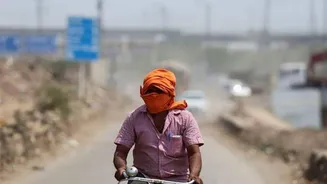
India is experiencing unseasonably intense heatwaves, with temperatures in many regions soaring to 40–45°C, significantly above average for late April.
Delhi, for instance, recorded a scorching 44.5°C, with forecasts indicating continued high temperatures well into the season. This early onset is particularly concerning as heatwave conditions are typically expected later in May and June. Several areas are under advisory, including Northwest India (Punjab, Haryana, Delhi, Rajasthan, Uttar Pradesh), Central India (Madhya Pradesh, Chhattisgarh, Vidarbha), and parts of the South (Kerala and Mahe). For context, a heatwave is officially declared when maximum temperatures exceed 40°C and are 4.5 to 6.4°C above the normal seasonal average.
Warming Nights Worsen
A critical factor exacerbating the health risks this year is the unusually warm nighttime temperatures, which deny the body essential recovery periods. According to medical experts, cooler nights are crucial for the body to rest, repair, and regulate itself. When these cooler temperatures are absent, individuals experience poor sleep, persistent fatigue, and a heightened susceptibility to heat-related ailments. This prolonged exposure to elevated temperatures can also compromise the immune system, making people more vulnerable to infections and other health complications, underscoring the interconnectedness of environmental conditions and overall well-being.
Impact on Reproduction
The extreme heat is having a noticeable effect on reproductive health, particularly for women. Physicians report an increase in women presenting with hormonal imbalances, leading to irregularities such as delayed or irregular menstrual cycles and the exacerbation of conditions like Polycystic Ovary Syndrome (PCOS). The body's hormonal system is highly sensitive to environmental stressors, making extreme temperatures a significant concern. Furthermore, rising temperatures are increasingly linked to fertility challenges for both genders. For women, this can manifest as diminished egg quality and implantation difficulties. For men, elevated temperatures can negatively impact sperm production and quality, as the testicles require a cooler environment to function optimally. Prolonged exposure to heat can lead to reduced sperm count, genetic mutations, and male infertility, a risk often overlooked in urban settings.
Skin and Kidney Strain
Dermatologists are observing a surge in skin ailments directly attributable to the excessive heat and humidity. Common issues include heat rash, severe sunburns, fungal infections, acne flare-ups, increased pigmentation, and dehydration-related skin damage. Many individuals tend to dismiss early symptoms, but these can quickly escalate without proper care. The intense heat also poses a significant threat to kidney health. When fluid loss is not adequately replenished, the kidneys become overworked, leading to a higher incidence of kidney stones and infections. Heat stress disrupts electrolyte balance, particularly sodium and potassium, which can impair muscle function and worsen existing renal or metabolic conditions. Maintaining proper hydration is therefore paramount during these extreme weather events.
Essential Precautions
Medical experts strongly advise minimizing outdoor exposure during the hottest parts of the day and adhering to simple yet crucial preventive measures. Key recommendations include staying well-hydrated by drinking plenty of water, wearing lightweight and breathable clothing, and seeking shade whenever possible. The evolving nature of heatwaves, marked by increasing intensity and frequency, necessitates a shift in perspective; heat should now be recognized as a significant health hazard impacting multiple bodily systems. Early awareness and proactive steps are vital for safeguarding health during these challenging conditions. Consulting healthcare professionals for persistent symptoms or concerns is also highly recommended.