



Understanding Bald Patches
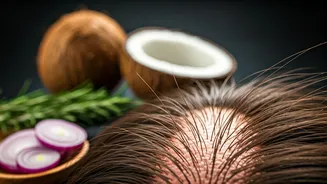
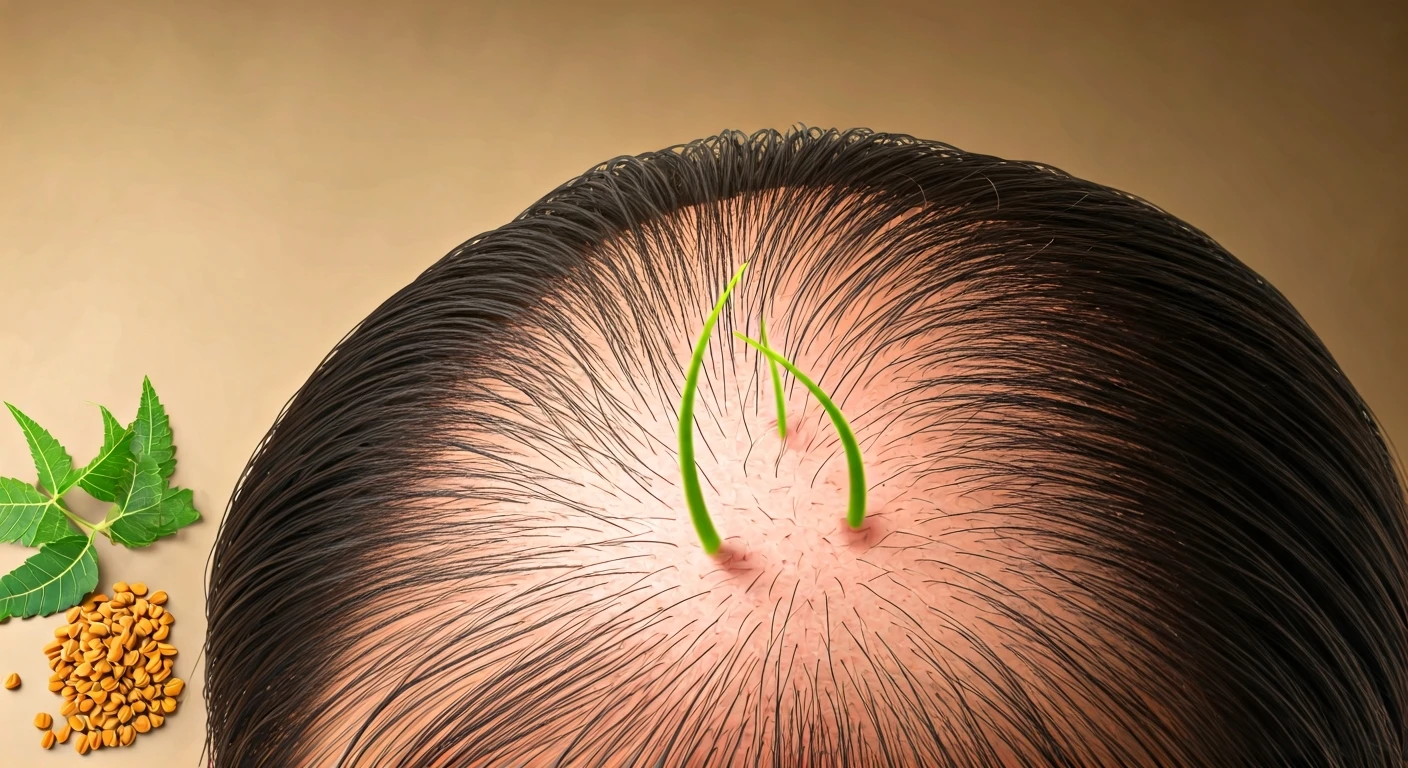
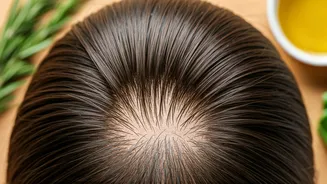
Encountering a bald patch can be disconcerting, often feeling more impactful than generalized hair thinning. This phenomenon isn't arbitrary; it signals
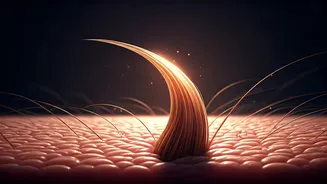
underlying issues within your scalp. Potential culprits include diminished blood circulation to the affected area, weakened or stressed hair follicles, fluctuations in hormones, significant stress levels, or inadequate nutritional intake. In some instances, it might stem from specific conditions like Alopecia Areata. Crucially, in many early-stage bald spots, the hair roots remain viable but have become dormant, much like a plant needing nourishment to revive. This Ayurvedic approach aims to provide that necessary revitalizing care to these inactive roots, fostering an environment conducive to renewed growth.
Crafting The Ayurvedic Blend
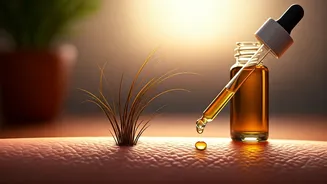
Creating this powerful hair revitalizer is remarkably straightforward, utilizing common ingredients readily available in most Indian kitchens. The core components include two tablespoons of coconut oil, one tablespoon each of castor oil and almond oil, a teaspoon of fenugreek (methi) seeds, approximately 8-10 curry leaves, and a teaspoon of kalonji seeds (black seeds). To prepare, gently heat the coconut oil over a low flame. Introduce the methi seeds and curry leaves, allowing them to cook until they achieve a slightly darkened hue, being careful to avoid burning. Next, add the kalonji seeds and stir for about a minute. Once heated, remove from the flame and permit the mixture to cool. After it has cooled sufficiently, incorporate the castor oil and almond oil. Strain the concoction into a clean bottle for storage. This simple, one-time preparation yields an effective oil blend.
Application Technique Matters
The efficacy of this Ayurvedic oil treatment is significantly amplified by the method of application. Begin by warming a small quantity of the prepared oil in your hands. Apply it directly and generously onto the bald patch. The crucial next step is a gentle, yet thorough, scalp massage. Using your fingertips, work the oil into the scalp in small circular motions for a dedicated 5-7 minutes. This massage is vital as it actively promotes increased blood flow to the area, providing the essential nourishment for hair roots. For optimal results, it is recommended to leave the oil on overnight. If overnight application isn't feasible, a minimum of 2-3 hours is advisable. Afterward, cleanse your scalp with a mild shampoo. Aim to follow this routine 3-4 times each week, as unwavering consistency is the cornerstone of this therapy.
Expected 30-Day Outcomes
It's important to maintain realistic expectations regarding the timeline for hair regrowth. While a full head of hair won't magically appear within 30 days, consistent application of this oil blend can lead to discernible improvements. Within the first week, you might notice your scalp feeling less dry and irritated, indicating an overall improvement in scalp health. By week two, the emergence of very fine, almost invisible, soft baby hairs may become apparent. As you reach week three, the bald patch might appear less pronounced, with an improvement in the surrounding skin texture. By the end of week four, under suitable lighting conditions, you should observe some visible regrowth, accompanied by a reduction in hair fall from the affected area. While complete disappearance of the bald spot in 30 days is unlikely, significant progress is often observed, especially in cases of early-stage hair loss.
Synergy of The Ingredients
The effectiveness of this Ayurvedic oil mix lies in the synergistic action of each component, carefully selected for their specific benefits to hair and scalp health. Coconut oil acts as a deep nourishing agent, helping to minimize damage and improve hair texture. Castor oil is renowned for its ability to enhance blood circulation, crucial for stimulating hair follicles. Almond oil contributes essential Vitamin E, which strengthens hair roots and promotes overall hair vitality. Fenugreek seeds are traditionally used to combat hair fall and encourage growth. Curry leaves are known for their supportive role in maintaining a healthy scalp environment, while kalonji seeds have a long history of use in reviving weakened hair strands. Collectively, these ingredients work to address the fundamental causes of hair loss at the root, rather than just masking the visible symptoms.
Common Pitfalls to Avoid
A frequent reason for the lack of desired results with this natural remedy is inconsistency; many individuals discontinue the treatment after a short period, often around 10 days, before giving it sufficient time to work. Another common mistake is expecting immediate, miraculous outcomes, which can lead to disappointment and abandonment of the routine. Neglecting the importance of the scalp massage, which is critical for boosting blood flow, is also a common oversight. Furthermore, over-washing the hair with harsh shampoos can strip the scalp of its natural oils, counteracting the benefits of the treatment. Lastly, ignoring the impact of diet on hair health is a significant error, as what you consume plays a vital role in hair regrowth. Hair regeneration is a gradual process that requires patience and a holistic approach.
Dietary Impact on Hair
While the external application of oils is beneficial, the internal nourishment provided by your diet is equally, if not more, important for robust hair health and growth. To support your hair regrowth journey, consider incorporating nutrient-rich foods into your daily meals. Soaked almonds and walnuts are excellent sources of essential fatty acids and vitamins. Ample consumption of green leafy vegetables provides crucial minerals and vitamins vital for cell regeneration. Ensuring adequate protein intake, through sources like lentils (dal), paneer, or eggs, is fundamental as hair is primarily composed of protein. Additionally, consuming amla (Indian gooseberry) or other foods rich in Vitamin C aids in collagen production and nutrient absorption. Ultimately, the condition of your hair is a direct reflection of your body's internal health and nutrient status.
A Pragmatic Perspective
It is important to acknowledge that while this Ayurvedic oil mix is highly effective for many, it may not be a sole solution for all hair loss scenarios. If a bald patch is attributed to a more serious underlying medical condition or extensive, long-term scalp damage, oil application alone might not completely reverse the issue. However, it can still contribute significantly to improving the overall health of the scalp and preventing further deterioration. For hair thinning related to stress or early-stage loss, this consistent routine can indeed be a potent ally. A bald spot, though potentially distressing, signifies a need for focused attention rather than an insurmountable problem. This oil blend is not a magic potion but rather a testament to the power of consistent, gentle care, which often elicits the most profound responses from the body.