




Saffron's Golden Threads
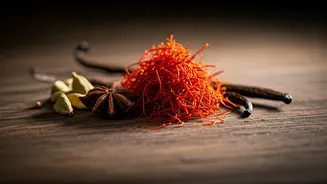
Saffron, unequivocally the reigning monarch of expensive spices, derives its value from an incredibly delicate and time-consuming manual process. Each
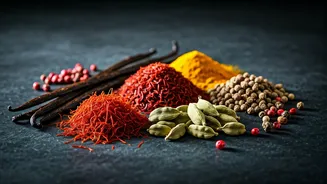
tiny crimson stigma, plucked from the heart of the Crocus sativus flower, requires painstaking individual extraction. It takes an astonishing number of blossoms, often in the tens of thousands, to yield even a modest quantity of this precious spice. Compounding its rarity is a very brief and specific flowering season, necessitating meticulous timing and an immense labour force for harvesting. This combination of extreme manual effort and limited availability per bloom makes saffron a truly coveted and costly ingredient, often exceeding the price of precious metals on a per-gram basis.
Vanilla's Orhchid Elixir
Vanilla, celebrated for its sweet and comforting aroma, earns its high price tag through a complex and extended cultivation cycle. The vanilla orchid, native to specific tropical environments like Madagascar, boasts flowers that bloom for a mere 24-hour window, demanding immediate and precise hand-pollination. Following this crucial step, the green pods undergo a lengthy and intricate curing process that can stretch for months. This multi-stage transformation is essential for developing the rich flavour profile and distinctive aroma we associate with vanilla. The labour-intensive nature of pollination and the extended curing period contribute significantly to its elevated cost in global markets.
Cardamom's Tropical Gem
Often referred to as the 'queen of spices,' cardamom's premium price is rooted in its demanding growth requirements and meticulous harvesting. This aromatic spice thrives only in humid, tropical climates, and its cultivation is primarily concentrated in limited geographical areas. The small pods must be gathered by hand at precisely the right moment to ensure peak flavour and aroma. Any deviation in timing can compromise the quality. The substantial global demand for cardamom across various cuisines, coupled with the challenges of its cultivation and careful hand-picking, solidifies its position as one of the world's more valuable spices.
True Cinnamon's Bark
The exquisite flavour and subtle sweetness of true cinnamon, specifically Ceylon cinnamon, contribute to its elevated cost. Unlike other varieties, true cinnamon is derived from the thin inner bark of the Cinnamomum verum tree. The process of carefully peeling and processing this delicate bark is exceptionally labour-intensive and requires skilled artisans. Furthermore, its cultivation is largely restricted to specific regions, most notably Sri Lanka, which is renowned for producing the highest quality. These natural limitations and the artisanal harvesting methods make Ceylon cinnamon a prized and expensive spice for culinary enthusiasts and health-conscious consumers alike.
Cloves' Potent Buds
Cloves, the dried flower buds of the Syzygium aromaticum tree, command a significant price due to the precision required during their harvest. These buds must be picked at the exact stage of development to capture their maximum aromatic oils and intense flavour. Improperly timed harvesting can lead to a diminished quality. Grown predominantly in Indonesia, the processing of cloves also involves careful attention to detail to preserve their potent characteristics. Their powerful taste, distinctive fragrance, and historical use in both cooking and traditional medicine underscore their enduring value.
Asafoetida's Resinous Power
Asafoetida, a pungent spice derived from the resin of Ferula plants, is costly primarily due to the inherent difficulties in its extraction and preparation. The plant itself has limited growing regions, and harvesting the resin is an arduous task that requires specialized knowledge and considerable manual effort. Once collected, the resin undergoes further processing to become the powdered spice familiar in kitchens. Widely embraced in Indian cuisine for its unique umami flavour and its long-standing role in traditional Ayurvedic medicine, the challenging procurement of asafoetida contributes significantly to its premium price point.