



Realistic Weight Loss
Embracing a low-calorie approach to weight loss doesn't mean abandoning your favorite Indian dishes. The key lies in making intelligent choices, focusing
on nutrient-dense ingredients and smart preparation methods. This allows for a realistic and sustainable dietary shift. By opting for recipes that prioritize fiber and protein, such as those featuring dals, sprouts, and a generous amount of vegetables, you can create meals that are both filling and calorie-conscious. These foods are digested more slowly, helping to stabilize blood sugar levels and prevent the energy crashes that often lead to unhealthy cravings and overeating. Homemade meals also offer the advantage of controlling hidden additives, excessive sodium, and refined sugars commonly found in processed foods, further supporting a natural reduction in appetite and dependence on high-calorie snacks. Ultimately, this strategy transforms weight management into an effortless and enduring part of your lifestyle.
Satiety & Energy Balance
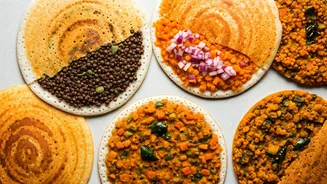
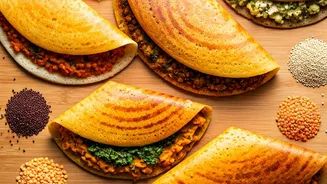
Controlling hunger and maintaining energy levels are crucial for successful weight loss. Low-calorie Indian recipes excel here by emphasizing ingredients that offer high satiety for fewer calories. Dishes rich in protein and fiber, such as sprout-based preparations, oats or vegetable-loaded idlis and dhoklas, dal-based chilas, and whole-grain porridges like Dalia or Jowar Upma, are particularly effective. These components take longer to digest, keeping you feeling fuller for extended periods and mitigating sudden hunger pangs. Furthermore, by incorporating complex carbohydrates and essential nutrients, these meals provide a steady release of energy, preventing the fatigue and irritability often associated with restrictive diets. This approach ensures that you are not just losing weight, but doing so with sustained vitality and a balanced mood, making the journey feel much more manageable and less like a struggle.
Portion Control & Smart Planning
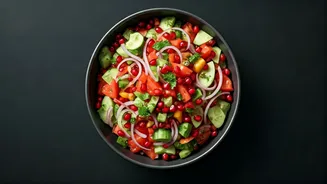
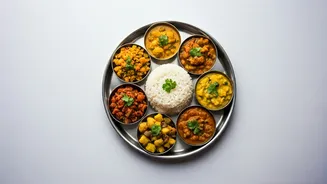
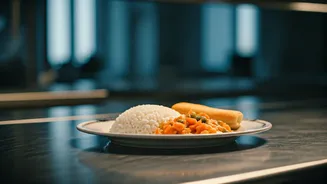
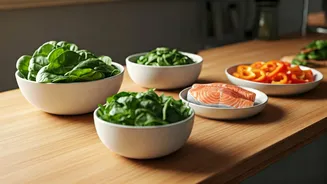
Achieving weight loss without weakness or fatigue hinges on effective portion control and a balanced nutritional strategy. The "Plate Method" is a highly recommended approach, suggesting that 50% of your plate be filled with non-starchy vegetables, 25% with protein sources like dal, pulses, or paneer, and the remaining 25% with complex carbohydrates from whole grains. This visual guide ensures adequate micronutrient intake while managing macronutrient energy. For example, prioritizing fiber-rich subzis and whole grain/pulse combinations, such as Jowar Bajra Garlic Roti or Moong Dal with Spinach, helps maintain steady blood sugar and prevents hunger spikes. Protein-first snacks like roasted chana or moong dal dhokla are also vital for satiety and preserving lean muscle mass. By meticulously planning portions with this structure, you ensure that calorie restriction doesn't lead to nutritional deficiencies, irritability, or fatigue, fostering a healthier and more sustainable weight loss outcome.
Cooking Methods & Flavor
Making weight loss a natural consequence of a healthy lifestyle, rather than a chore, involves smart cooking techniques that preserve taste and texture. Opting for methods like steaming, roasting, and light sautéing is key to creating flavorful meals with minimal added fats. Steaming retains the natural crunch and nutrients of vegetables, while roasting and air-frying can achieve desirable crispy textures with just a minimal amount of oil. The skillful use of fresh aromatics such as ginger, garlic, green chilies, and lemon, along with a variety of spices, can elevate the flavor profile of dishes significantly without relying on fat-based sauces or heavy ingredients. This approach allows you to enjoy familiar Indian flavors in lighter, healthier versions, such as Moong Dal Chilla, Oats Idli, or Vegetable Dalia, preventing the feeling of deprivation that often leads to dietary burnout and cravings.
Sustainable Eating Habits
Sustaining weight loss is about integrating healthy habits into your daily life, rather than adhering to short-term, restrictive diets. This involves a mindful approach to food choices, recognizing that even healthy ingredients require attention to portion size and overall daily calorie intake. The collection of low-calorie Indian recipes serves as an excellent 'head start' by inherently swapping high-calorie components for nutrient-dense alternatives. However, to ensure consistent progress, practicing portion control is essential. Utilizing tools like a precision kitchen scale or portion-control plates can help visualize correct ratios of vegetables, protein, and carbohydrates. Furthermore, monitoring your total daily intake helps in making informed choices, such as opting for a lighter dinner if lunch was more substantial. Embracing hydration, strategic spice use for flavor enhancement, and mindful eating – slowing down to allow the body's satiety signals to register – are all vital strategies for long-term weight management success.