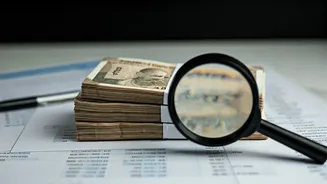








Transactions Under Scrutiny
The Income Tax Department, much like a vigilant financial observer, actively monitors various financial activities to ensure compliance with tax regulations.
These tracked transactions cover a wide array, including significant cash deposits and withdrawals from bank accounts. Any substantial movement of funds, whether into or out of an account, is likely to draw the attention of the department. Large-value transactions involving the purchase or sale of property also fall under scrutiny. This extends to investments in shares, mutual funds, and other financial instruments, as well as high-value spending patterns. The department assesses these transactions to identify any discrepancies or potential tax evasion. This vigilance helps the department maintain the integrity of the tax system and ensure that everyone contributes their fair share, thus funding important government initiatives and infrastructure projects that benefit the community.
Why Refunds Are Delayed
Several factors contribute to delays in receiving income tax refunds, causing frustration among taxpayers. One common reason is errors or inconsistencies in the tax returns filed. Incorrectly entered data, missing information, or discrepancies between income reported and TDS (Tax Deducted at Source) details can all slow down the refund process. Another frequent issue is the verification of bank details. The Income Tax Department needs to validate the taxpayer's bank account to credit the refund, and any incorrect or mismatched bank details cause significant delays. Furthermore, the volume of returns processed also plays a role. During peak tax filing seasons, the department handles a massive number of returns, leading to potential backlogs and delays in processing refunds. Moreover, any pending assessments or investigations related to a taxpayer's tax returns can halt the refund process until the issues are resolved. These assessments might be triggered by certain discrepancies or unusual financial patterns, and the department will need to examine them thoroughly before releasing any refund.
Avoiding Refund Delays
Taxpayers can take proactive steps to minimize the chances of their income tax refunds being delayed. Accurate and complete filing of income tax returns is crucial. Double-check all details, including income, deductions, and bank information, to avoid errors that can cause delays. Ensure that the bank account details provided in the return are up-to-date and match the records held by the bank. Linking the PAN (Permanent Account Number) with the bank account is also essential for a smooth refund process, ensuring accurate validation by the Income Tax Department. Filing the tax return early, especially before the deadline, can also help. Filing early might place the return among those processed earlier. Keeping all relevant documents, like TDS certificates and investment proofs, handy will help to ensure accurate and streamlined data entry. Lastly, promptly respond to any notices or queries from the Income Tax Department. Addressing issues quickly can expedite the verification process and help avoid further delays in receiving refunds. By taking these steps, taxpayers can make the refund process efficient and hassle-free.