





Myth 1: Washing Thoroughly
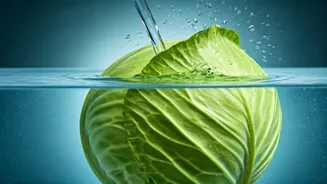
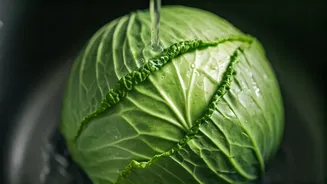
One of the most common myths is the idea of washing vegetables extensively to remove all germs and pesticides. While it's crucial to wash produce, overdoing
it can be counterproductive. Vigorous scrubbing, especially for delicate vegetables, can damage their surface and lead to nutrient loss. Furthermore, pre-washing vegetables and storing them can promote spoilage due to increased moisture and handling. Instead, focus on a quick rinse under cold water. For leafy greens, give them a gentle swish to dislodge any dirt or debris before drying them properly with a salad spinner or clean towel. Proper washing and handling are vital, but excessive washing is unnecessary.
Myth 2: Boiling Vegetables
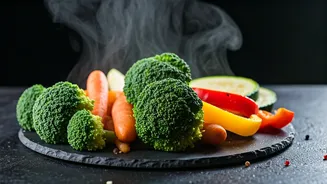
Boiling vegetables is often seen as a quick cooking method, but it is often the worst. Prolonged boiling leads to mushy textures and a significant loss of water-soluble vitamins, such as vitamin C and B vitamins, leaching into the cooking water. Steaming or blanching is preferable for most vegetables, as these methods preserve more nutrients and maintain a better texture. Steaming allows vegetables to cook gently in their own moisture, retaining their flavor and structure. Blanching, which involves a brief dip in boiling water followed by an ice bath, is excellent for setting colors and stopping the cooking process, making it ideal for freezing vegetables. Consider boiling only as a last resort, when other methods may not be feasible.
Myth 3: Adding Salt Early
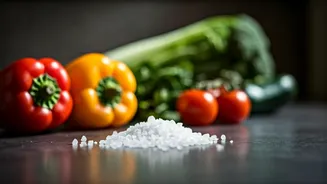
The belief that salting vegetables early in the cooking process is always beneficial is another popular misconception. In some cases, adding salt too early can draw out moisture, leading to limp, less flavorful vegetables. However, salt's effect depends greatly on the cooking method and the type of vegetable. For instance, when roasting vegetables, salting them before cooking can promote caramelization and enhance their natural sweetness. On the other hand, salting vegetables before sautéing them in a pan can cause them to release water and steam instead of browning. The optimal time for salting varies depending on the recipe and the desired outcome. Understanding these nuances will help you achieve the best flavor and texture.
Myth 4: Peeling Everything
Peeling every vegetable is yet another widely held belief that's not always necessary or beneficial. The skin of many vegetables, such as potatoes, carrots, and cucumbers, contains a significant amount of nutrients and fiber. Peeling removes this beneficial part, reducing the nutritional value. Additionally, the skin can add texture and flavor to a dish. In many cases, a thorough washing is sufficient to remove any dirt or residue. For vegetables with thicker skins, like potatoes, a light scrub might be all that’s needed. Leaving the skin on often simplifies the cooking process and results in a more flavorful and nutrient-rich meal. Think twice before reaching for the peeler.