





Introduction to Sanctuaries
India's wildlife sanctuaries play a crucial role in conserving the nation's rich biodiversity. These protected areas serve as safe havens, providing habitats
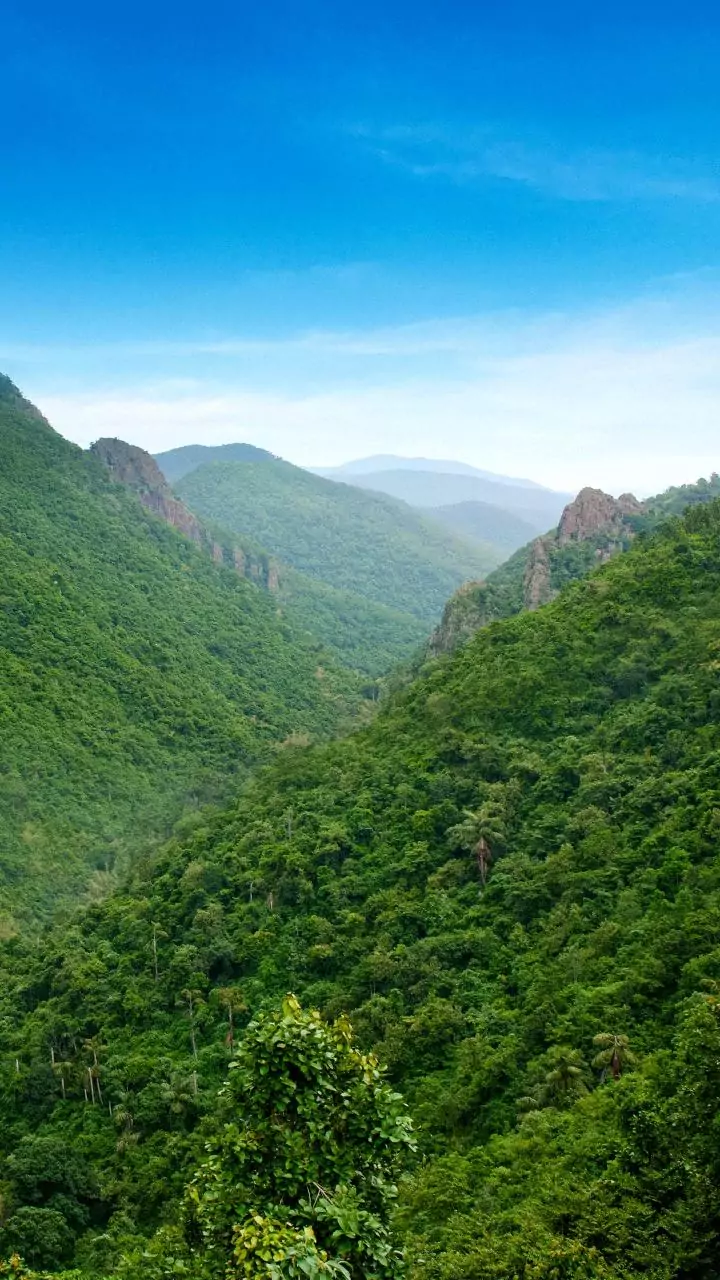
for a wide array of plant and animal species. They play a pivotal part in the preservation of ecological balance and are indispensable for both conservation and ecological balance. These sanctuaries are carefully managed to minimize human interference, allowing wildlife to thrive in its natural environment. From snow-capped mountains to lush tropical forests, these sanctuaries are present across diverse geographical zones, offering a variety of ecological niches that promote a vibrant variety of life. The establishment of these sanctuaries is a direct consequence of a growing awareness regarding the necessity of preservation of the planet's diverse ecological environments. The Indian government has, over the decades, actively supported the development of these protected territories, underscoring its commitment to environmental stewardship. These initiatives are designed to safeguard endangered species from extinction while promoting the harmonious coexistence of people and wildlife. Wildlife sanctuaries aren't simply tourist attractions; they are dynamic ecosystems that require constant upkeep and management.
Bandhavgarh National Park
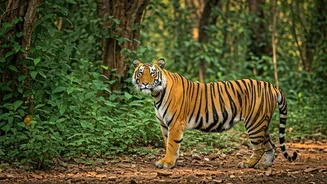
Bandhavgarh National Park, nestled in Madhya Pradesh, is a haven famous for its high population of tigers. Initially, this park was a hunting ground for the maharajas and today, it stands as a pivotal place for wildlife preservation. The park's rugged terrain, including steep cliffs and dense bamboo forests, gives perfect refuge for its animal inhabitants. Tiger sightings in Bandhavgarh are quite frequent, making it an excellent spot for wildlife enthusiasts and photographers. Besides tigers, the park is home to a varied variety of other animals, like leopards, deer, and various bird species. The park's diverse ecosystem supports a rich population of flora, improving its ecological value. Conservation efforts are very important in Bandhavgarh, with continuous monitoring and anti-poaching patrol to protect the tiger population. Tourism is carefully managed to ensure the least amount of disturbance to the natural habitat of wildlife. A visit to Bandhavgarh is a wonderful opportunity to experience India's rich natural heritage, giving visitors a closer look at the marvels of the Indian wildlife.
Kaziranga National Park
In the state of Assam, Kaziranga National Park is a UNESCO World Heritage site and a global symbol for the preservation of one-horned rhinoceros. The park's landscape, which combines grassland, wetlands, and forests, supports a high variety of biodiversity. Kaziranga has the biggest population of one-horned rhinoceros anywhere, and its dedication to protection has helped in their recovery from the brink of extinction. The park also contains a wide variety of wildlife, like tigers, elephants, and a large number of bird species, making it a hotspot for bird watchers. The Brahmaputra River flows through Kaziranga, which adds to the ecological importance and beauty of the park. Protection efforts in Kaziranga involve constant surveillance and control of poaching, while also working to control human-wildlife conflict. Community involvement is essential to the park's protection, with a strong focus on educating locals about the value of conservation. A trip to Kaziranga National Park allows tourists to observe the powerful beauty of the Assam's wildlife and learn about the great success stories in the field of wildlife conservation.
Ranthambore National Park
Ranthambore National Park, located in Rajasthan, is another important sanctuary known for its tigers. This park once served as the hunting grounds of the Jaipur maharajas and now stands as a symbol of conservation. The varied terrain of the park, which comprises hills, valleys, and lakes, offers diverse habitats for its wildlife. Ranthambore is home to a large tiger population, providing several opportunities for sighting tigers in their natural environment. Apart from tigers, the park has a rich array of other species such as leopards, deer, and diverse bird species. Conservation efforts are strongly implemented in Ranthambore, which include anti-poaching and habitat restoration. Carefully managed tourism is essential to prevent disturbances to the fragile ecosystems. A visit to Ranthambore allows tourists to experience the richness of India's wildlife and understand the importance of protection of our natural heritage. The park's beautiful landscape and thriving wildlife make it a must-see destination for wildlife enthusiasts and nature lovers.
Sundarbans National Park
The Sundarbans National Park in West Bengal, a UNESCO World Heritage site, is known for its unique mangrove environment and the Bengal tiger. Situated at the delta of the Ganges, Brahmaputra, and Meghna rivers, this park is home to a one-of-a-kind ecosystem. The Sundarbans is the world's largest mangrove forest and provides a special habitat for a large number of species. The Bengal tiger is the main attraction, having adapted to the swampy setting, along with a wide range of other animals and birds. Conservation work in the Sundarbans involves protecting against poaching, managing the ecosystems, and adapting to climate change. The area is important for the local communities, and the protection efforts aim at involving and supporting them. A trip to the Sundarbans offers a truly unforgettable experience, giving a close look at the marvels of the mangrove environment and the powerful Bengal tiger. The park's ecological importance makes it a must-see destination for any conservationist.