

The Starch Secret
When you cut into a potato, its surface releases starch. This sticky substance can act as a barrier, preventing the potato pieces from achieving that desirable
crispiness during the frying process. Imagine it like a light coating that hinders direct contact with the hot oil needed for browning and crunch. Soaking the cut potatoes in water serves a crucial purpose: it effectively draws out this excess surface starch. By washing away this sticky film, you expose a cleaner potato surface, which is far more receptive to becoming beautifully crisp when submerged in hot oil. This fundamental process is the key to moving away from soft, limp fries towards golden, crunchy perfection.
Why It Works Wonders
This seemingly small step of soaking potatoes unlocks several benefits that collectively contribute to superior fry texture. Primarily, it tackles the issue of excess starch, which is the culprit behind fries becoming gummy or soft rather than crisp. By rinsing away this starch, the edges of the potato slices are free to crisp up individually, preventing them from adhering and becoming a clumpy mass. Furthermore, removing surface starch promotes more even cooking. This means that while the exterior develops a delightful crunch, the inside remains wonderfully fluffy. It also plays a vital role in preventing individual fry pieces from sticking together in the pan, ensuring each piece fries to perfection, separate and golden. The ultimate outcome is a delightful contrast in textures – a satisfyingly crisp exterior yielding to a tender, fluffy interior, the hallmark of truly great fries.
Optimal Soaking Time
To achieve the best results when preparing your potatoes for frying, a soak in cold water for a minimum of 20 to 30 minutes is highly recommended. If your schedule allows for it, extending this soaking period to around an hour can yield even more pronounced improvements in crispiness. Once the soaking time is complete, it is absolutely essential to drain the potatoes thoroughly and pat them completely dry before they enter the hot oil. Any residual moisture left on the potato surface can cause the oil to splatter aggressively, posing a safety hazard, and crucially, it will impede the crisping process, leading to less-than-ideal results. Dryness is key to achieving that perfect sear and crunch.
Best Uses for This Trick
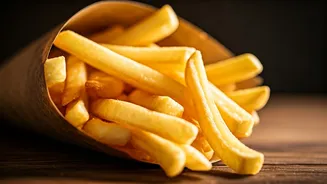
This simple yet effective soaking method is particularly beneficial for a variety of potato preparations where a crispy texture is desired. It's a must-do for achieving authentic, golden-brown French fries that rival those from your favorite restaurants. The technique is equally valuable when making potato wedges, ensuring they get a lovely crisp exterior while staying tender inside. For breakfast enthusiasts, this trick can elevate homemade hash browns, making them wonderfully crunchy. Pan-fried potatoes also benefit greatly, developing a satisfying crust. However, it's worth noting that this step may not be necessary, and could even be counterproductive, for dishes where a softer potato texture is the goal, such as in creamy curries or for preparations like mashed potatoes.