





The Hidden Germ Zone
When considering airplane cleanliness, most passengers focus on general hygiene, but flight attendants have identified a specific area that raises significant
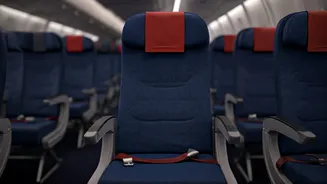
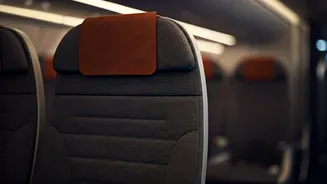
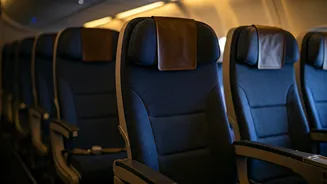
concerns. This particular part of the aircraft is consistently cited as the least sanitary, often harboring unseen contaminants. Despite its convenient location, designed for easy access to personal items, its true condition is far less appealing than its accessibility suggests. Flight attendants, with their daily exposure to cabin environments, have developed a keen awareness of these less-maintained zones, urging passengers to exercise caution. The primary culprit identified is the seatback pocket, a seemingly innocuous compartment that, according to those who work in the skies, becomes a repository for a surprising array of unsanitary items. This pocket, often overlooked by standard cleaning protocols between flights, can accumulate everything from used tissues and snack remnants to more unpleasant discoveries, making it a prime spot for germ transmission. Therefore, what appears to be a helpful amenity can quickly turn into a source of discomfort and potential health risk if not approached with awareness and preventative measures.
Why Seat Pockets Fail
The seatback pocket, a feature intended for passenger convenience, often escapes the rigorous cleaning routines that other cabin surfaces undergo. While flight attendants and cleaning crews do a visual sweep for obvious trash, a thorough sanitization, especially a wipe-down, typically only occurs if there's a noticeable spill or stain. This leaves a significant portion of the pocket's interior untouched by disinfectant, allowing germs to proliferate. Flight attendants have shared firsthand accounts of finding everything from discarded tissues and food wrappers to even more unsanitary items like soiled diapers stashed within these pockets. The limited time between flights often means that detailed cleaning of these nooks and crannies is deprioritized, making them a breeding ground for bacteria. This oversight contributes to the perception of seatback pockets as a major hygiene concern among airline professionals, who understand the volume and variety of items that pass through them on a daily basis. Their insight suggests that the convenience offered by these pockets comes at a significant cost to cleanliness.
Beyond the Pocket
While the seatback pocket is the primary offender, flight attendants also steer clear of other less-than-ideal locations on the aircraft. Seats situated directly adjacent to the lavatory are a common point of avoidance. This preference stems from both comfort and hygiene considerations. The constant foot traffic and potential for noise from people using the restroom can disrupt rest. Moreover, as the flight progresses, unpleasant odors from the lavatory can unfortunately permeate the nearby seating area. Beyond the immediate seating, flight attendants strongly advise passengers to wear footwear when using the airplane lavatory. They caution that what might appear to be spilled water on the lavatory floor is often far less sanitary and could pose a risk of germ transfer if one is barefoot or wearing only socks. These collective recommendations highlight a broader concern for passenger well-being and underscore the importance of mindful choices regarding seating and the use of onboard facilities to minimize exposure to potential contaminants.
Pragmatic Approaches to Pockets
Not all flight attendants completely banish the seatback pocket from their travel routine, but their usage is often conditional and involves protective measures. For some, the convenience factor is undeniable, but they'll only utilize the pocket after thoroughly cleaning it with disinfectant wipes. Others adopt a more visual approach, preferring transparent mesh pockets over enclosed fabric ones, believing they might be less prone to accumulating grime. In such cases, they might limit their use to storing items like a water bottle. A more stringent strategy involves completely avoiding the seatback pocket altogether, opting instead to keep all belongings within their carry-on bag that is stowed under the seat. This approach prioritizes a zero-tolerance policy for potential germs residing in the pocket. Ultimately, while the pocket remains a concern, personal habits and risk assessment lead to varied personal policies among cabin crew regarding its use, often with a strong emphasis on personal hygiene and preparedness.