







The Widespread B12 Crisis
A staggering statistic reveals that close to 47 percent of Indians are grappling with a deficiency in Vitamin B12, a vital micronutrient essential for
numerous bodily functions. Many individuals remain unaware of their low levels, underscoring the silent nature of this prevalent health concern. This water-soluble vitamin, which inherently contains cobalt, plays a crucial role beyond macronutrients. Its impact extends to critical processes such as the formation of red blood cells, the intricate synthesis of DNA, and the crucial protection of our nerve cells. Neglecting this deficiency can have far-reaching consequences, impacting everything from energy levels to neurological health, making it a significant public health challenge that demands greater awareness and proactive management.
Unveiling the Effects
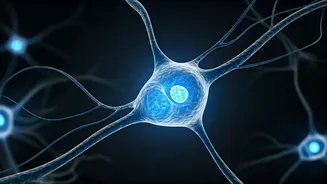
When Vitamin B12 levels dip below the required threshold, the body's ability to produce sufficient new red blood cells is compromised. This often manifests as profound fatigue, a pervasive sense of weakness, a noticeable paleness of the skin, and even shortness of breath. However, the ramifications extend far beyond mere anemia. Dr. Vatsya highlights that Vitamin B12 is indispensable for maintaining the integrity of the myelin sheath, the protective outer covering of our nerves. A deficit in this nutrient can trigger a cascade of neurological symptoms, including uncomfortable tingling or numbness in the extremities, difficulties with coordination and balance, mood disturbances, memory lapses, and in severe cases, cognitive decline akin to dementia. These neurological impacts underscore the critical importance of maintaining adequate B12 levels for overall health and well-being.
Sources and Dietary Needs
A significant challenge in achieving adequate Vitamin B12 intake, particularly for vegetarians and vegans in India, is its natural scarcity in plant-based foods. The primary sources of this essential vitamin are predominantly animal products. This includes nutrient-rich options like eggs, milk, curd, fish, chicken, and mutton, all of which are excellent natural reservoirs of B12. For those adhering to a plant-centric diet, incorporating foods that have been fortified with Vitamin B12 is a recommended strategy. This might involve certain cereals, plant-based milks, or nutritional yeast. Alternatively, and crucially, consulting with a healthcare professional to discuss appropriate supplementation is vital to bridge any dietary gaps and ensure sufficient levels are met.
Beyond Diet: Other Causes
While dietary habits are a primary consideration, several other factors contribute significantly to Vitamin B12 deficiency in the Indian population. Low stomach acid levels, often associated with aging or certain gastrointestinal conditions, can impair the absorption of B12 even when consumed. The aging process itself can reduce the body's efficiency in nutrient absorption. Furthermore, regular and excessive alcohol intake is identified as a common culprit, interfering with the body's metabolic processes and nutrient assimilation. Recognizing these diverse causes is crucial for a comprehensive approach to preventing and managing B12 deficiency, emphasizing that it's not solely an issue of dietary choices but also linked to physiological and lifestyle factors.
Actionable Steps and Prevention
Given the potential severity of Vitamin B12 deficiency, it is imperative not to overlook its symptoms. Experiencing unexplained fatigue, neurological disturbances, or other related signs warrants immediate attention. The recommended course of action involves getting your Vitamin B12 levels tested by a physician. Early diagnosis is key to initiating timely treatment, which can involve dietary adjustments, supplementation, or addressing any underlying medical conditions that impede absorption. By taking proactive steps, such as regular health check-ups and consulting with healthcare providers, individuals can effectively protect their red blood cells and nerve health, averting long-term complications and maintaining optimal bodily functions.