





A Call to Action
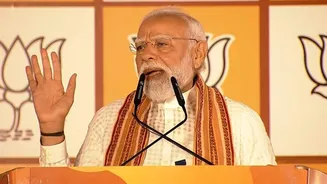
Prime Minister Narendra Modi has issued a significant appeal to the nation's citizens, urging them to postpone any non-essential international travel for
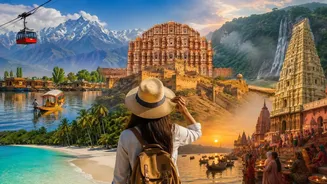
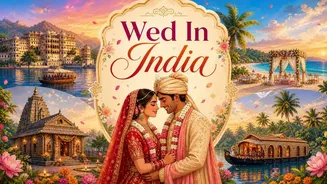
the upcoming year. This strategic suggestion aims to redirect spending and focus on domestic economic strengths. Industry leaders within the travel sector have responded positively, viewing this directive as a pivotal moment to enhance the country's appeal to overseas visitors. The hope is that by encouraging Indians to explore their own nation and by simultaneously attracting foreign tourists, India can significantly improve its foreign exchange earnings. This initiative could be the catalyst for a renewed emphasis on showcasing the nation's rich heritage and diverse attractions to a global audience, thereby creating a more robust and self-reliant tourism economy.
Seizing the Opportunity
Industry executives are highlighting this period as an exceptional opportunity to revitalize the renowned 'Incredible India' marketing initiative. The core idea is to harness the current climate, where fewer Indians are spending abroad, to aggressively attract international travellers. Experts point out that while Indian citizens have been spending considerable amounts on foreign travel, the influx of foreign exchange from inbound tourism has not been commensurate. This presents a clear pathway to rebalance the scales. A concerted marketing push, potentially involving a significant increase in advertising budgets—which are currently considered 'abysmally low'—is deemed essential. This would help India compete more effectively with neighbouring Southeast Asian nations that have successfully leveraged their tourism potential through sustained promotional efforts and engaging campaigns.
Streamlining Travel
Further supporting the vision for enhanced inbound tourism, industry leaders are emphasizing the critical role of simplified visa processes. The widespread adoption of e-visas has been a positive step, making entry into India more accessible for international visitors. This easing of bureaucratic hurdles is seen as fundamental to unlocking India's vast tourism potential. Beyond visa facilitation, there's a growing belief that the future of travel assistance lies in advanced technological solutions. The development and integration of AI-powered tools, such as AI Travel Assistants, are poised to revolutionize how travellers plan, book, and experience their journeys. These intelligent systems can understand user intent, provide proactive support, and offer seamless assistance throughout the entire travel lifecycle, from pre-trip planning to post-trip follow-up, thereby improving the overall visitor experience.