


Cosmic Collision Genesis
Approximately fifty millennia ago, the Deccan Plateau witnessed a cataclysmic event when a colossal meteorite, estimated to weigh two million tons and
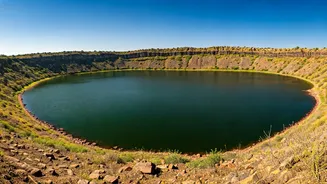
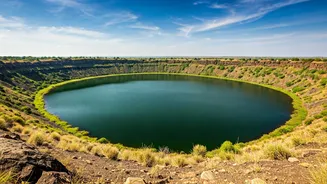
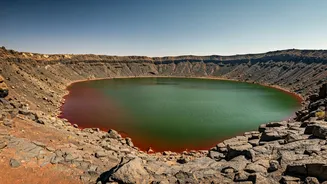
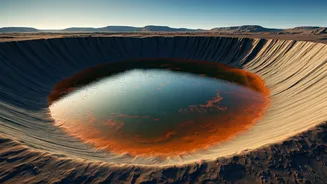
hurtling at extreme velocity, struck the Earth's surface. This monumental impact carved out the Lonar crater, a unique geological formation in the basaltic rock of the region. This site is not merely a geographical feature but a profound testament to extraterrestrial forces shaping our planet. Its formation in hard basalt, a material strikingly similar to that found on Mars, has led scientists to dub it the 'earthly twin of Mars.' Consequently, Lonar offers NASA researchers an unparalleled terrestrial laboratory for studying the Martian landscape, especially its past watery environments, effectively bringing a piece of the Red Planet to Earth.
Dual Waters Mystery
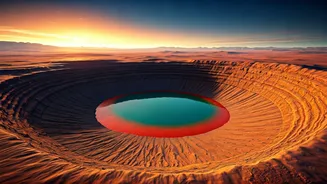
Descending into the Lonar crater environment reveals a dramatic shift from the world above. The air grows dense, a palpable coolness descends, and the surrounding vegetation creates a sense of stepping into a prehistoric realm, seemingly detached from modern life. This enclosed ecosystem operates under unique natural laws, most notably its intriguing water composition. The lake is characterized by two distinct rings of water that maintain their separation: one exhibits alkaline properties, while the other is saline. This persistent division of water types, defying natural mixing, presents a chemical enigma that has captivated scientific inquiry for a considerable period, highlighting a fascinating duality within this ancient body of water.
Microbial Pink Bloom
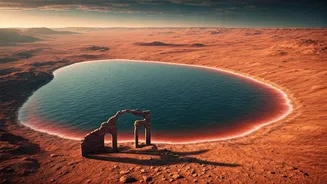
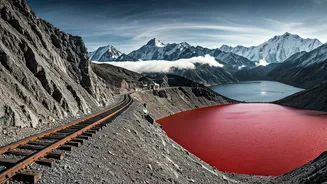
Lonar Lake is renowned for its capacity to transform and surprise, as vividly demonstrated in 2020 when its waters inexplicably turned a vibrant pink overnight. This spectacular phenomenon was not an environmental catastrophe but rather a remarkable biological event. The color change was attributed to a proliferation of specific microorganisms, namely Haloarchaea. These extremophiles, thriving in conditions of elevated salinity, released pigments that painted the lake in breathtaking hues. This event underscored that Lonar is not a static historical relic but a dynamic, living ecosystem capable of astonishing displays, reminding observers of its inherent vitality.
Whispers of Ancients
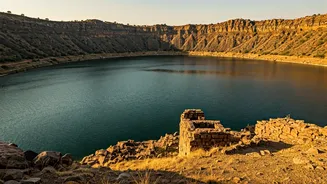
Along the shores of Lonar Lake, remnants of past human endeavors stand as silent witnesses to the passage of time. These are the 'Ghost Temples,' ancient Hemadpanti architectural ruins dating back to the 12th century. Over centuries, these stone structures have been gradually embraced by the lake's silt and encroaching vegetation, creating an atmosphere of profound tranquility. Although these temples have endured for nearly a millennium, within the immense geological timescale of the crater's existence, they represent a relatively brief chapter. They serve as poignant reminders of the ephemeral nature of human civilizations in contrast to the enduring presence of the crater itself.
Impact's Enduring Mark
The very ground beneath one's feet at Lonar tells a story of cosmic violence transformed into geological wonder. A close examination of the soil may reveal 'maskelynite,' a glassy substance formed by the intense heat generated during the meteorite's impact, or magnetic particles that cause compass needles to behave erratically, making it a spiritual pilgrimage for astronomy enthusiasts. Each fragment of earth is a tangible souvenir from an extraterrestrial visitor, offering a physical connection to the precise moment the primordial Earth was irrevocably altered. It's a place where the power of celestial events is palpable.
Timeless Cosmic Witness
As daylight fades and the sun dips below the crater's rim, casting elongated shadows across the water's surface, the true significance of Lonar becomes apparent. It transcends its status as a mere tourist destination or scientific curiosity; it offers a profound perspective on the vastness of time. For 50,000 years, this crater has observed the end of the Ice Age, the rise and fall of countless civilizations, and the slow dance of the stars. Standing at Lonar feels like being positioned at the nexus of terrestrial and cosmic forces, a powerful reminder of our place on a dynamic planet continually shaped by the universe.