
China's Space Dominance
China marked 2025 with significant accomplishments, demonstrating its growing capabilities in space. They launched their first reusable rocket, a major
technological feat that signals a shift toward more sustainable and cost-effective space programs. Simultaneously, China also initiated a mission to collect samples from a 'quasi-moon' of Earth, expanding our understanding of the space environment surrounding our planet. These launches are clear indicators of China's commitment to becoming a leading force in space exploration, showcasing its ability to develop advanced technologies and conduct complex missions.
SpaceX's Impressive Feats
SpaceX, the innovative space company, had a remarkable year, further solidifying its leading role in the industry. The Starship megarocket, a key project for future space travel, achieved success by acing two straight test flights, moving the company closer to its ambitious goals. In addition to these triumphs, SpaceX set a new launch record, emphasizing their efficiency and the sheer volume of their operations. These successes showcase SpaceX's technological prowess and its ambition to push the boundaries of space exploration.
Private Moon Landing
A notable milestone in 2025 was a private company successfully landing on the moon, a first of its kind achievement that highlighted the evolving landscape of space exploration. This event signified the increasing involvement of private entities in space endeavors. This achievement opens up new prospects for commercial space activities, paving the way for further innovation and collaboration. The landing was an exceptional demonstration of private sector capability to execute complex lunar missions, expanding the possibilities for space travel and resource utilization.
Other Key Developments
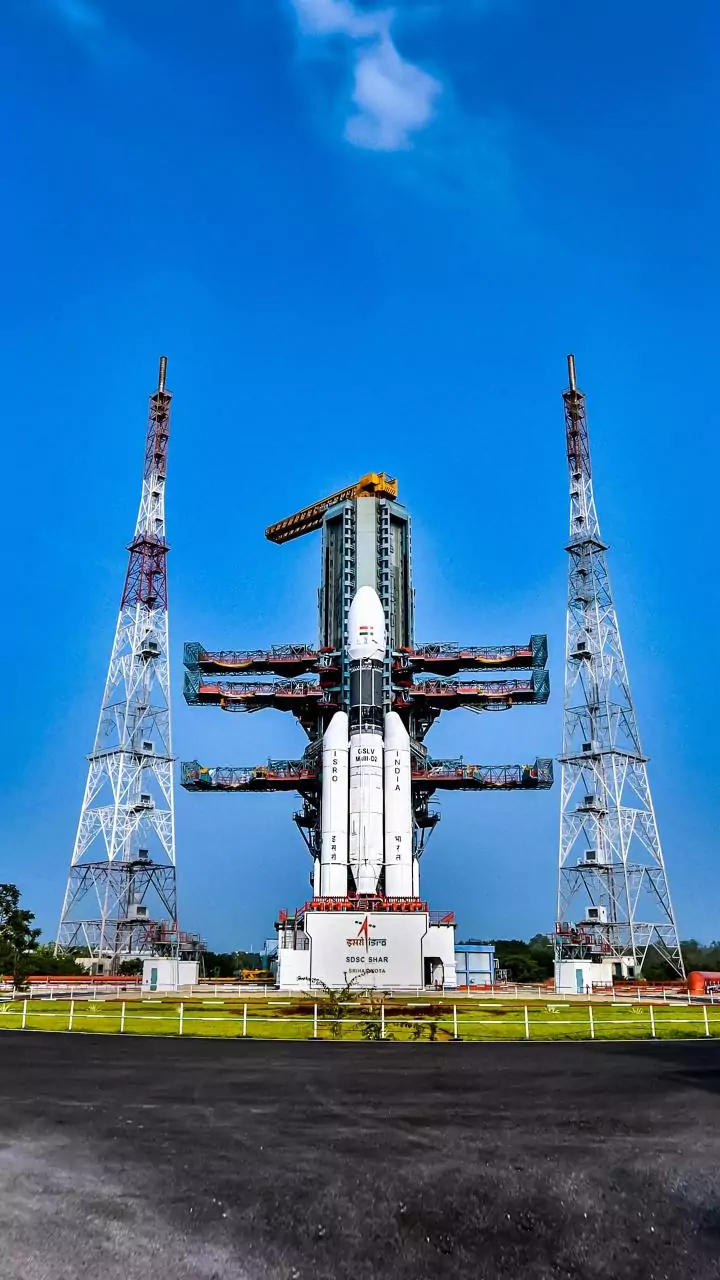
Several other advancements contributed to the excitement in space exploration in 2025. India completed its first in-space docking, showing its developing expertise in orbital operations. Blue Origin's New Glenn rocket also became active, readying itself for future launches. Furthermore, astronauts took the historic step of flying over Earth's poles for the first time. The European mission achieved the creation of its first artificial solar eclipse, bringing forth new avenues for scientific investigations. Each of these events added further momentum to the field, representing the dynamism and rapid advancements of the space community.
Focus on Innovation
2025 revealed the increasing focus on the development of more affordable and efficient space missions. Lower-cost missions, like NASA's ESCAPADE project, began providing exciting science data, showcasing the potential for making space exploration more accessible while still balancing risks. Moreover, private companies, such as Vast, prepared to launch their Haven-1 private space station in 2026, further accelerating the movement of the commercialization of space. These developments signal a commitment to innovation, emphasizing not just reaching space but also making it more sustainable, and accessible.