

Nutrient Gaps and Fatigue
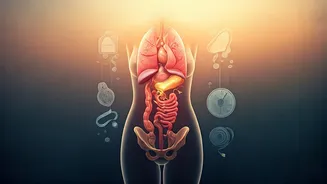
Persistent tiredness and bone discomfort in women, particularly those over 40, can often be linked to a deficiency in key nutrients. Celebrity nutritionist
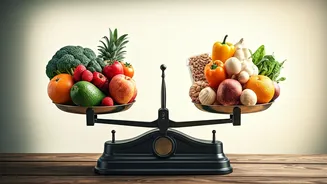
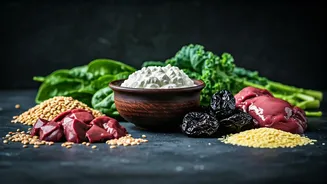
Ryan Fernando highlights that addressing these "nutrient gaps" is crucial for restoring energy levels and overall vitality. This underscores the importance of a diet rich in essential vitamins and minerals to combat chronic fatigue and support bone health, especially during life stages where nutritional needs may change or increase. Focusing on a balanced intake of macronutrients and micronutrients can make a significant difference in how women feel on a daily basis, impacting everything from energy to physical comfort.
PCOS Management Through Diet
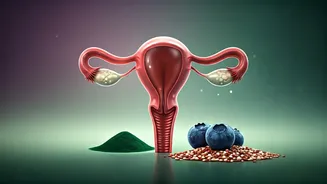
Navigating Polycystic Ovary Syndrome (PCOS) can present daily challenges, but dietary choices play a pivotal role in managing its symptoms. Anshula Kapoor shares accessible and delicious food options that can make a tangible difference. These suggestions often revolve around incorporating whole foods, balancing blood sugar levels, and reducing inflammation. Simple food swaps and mindful eating can help alleviate common PCOS issues, making the journey towards better health more manageable and enjoyable. The emphasis is on creating a sustainable dietary pattern that supports hormonal balance and reduces the impact of PCOS symptoms, proving that managing this condition doesn't have to be restrictive or bland.
Hormonal Harmony Over 40
As women enter perimenopause, their bodies undergo significant hormonal shifts, and dietary habits can exacerbate or alleviate these changes. Celebrity nutritionist Rashi Chowdhary advises on common dietary pitfalls that can disrupt hormonal balance during this transitional phase. Understanding which foods to limit or avoid is as important as knowing what to include. Making informed food choices can help mitigate symptoms like mood swings, sleep disturbances, and weight fluctuations, promoting a smoother transition through perimenopause. This section focuses on empowering women with the knowledge to make food decisions that support their endocrine system during a critical period of hormonal change.
Pre-Period Mood Support
The premenstrual phase often brings about unwelcome mood swings, a common experience for many women. Fortunately, strategic dietary adjustments can effectively combat these fluctuations. By incorporating specific foods and nutrients that support hormonal balance and neurotransmitter function, women can experience a more stable and positive mood during this time. This involves understanding how certain foods can influence serotonin and other mood-regulating chemicals, offering a natural and proactive approach to managing premenstrual symptoms and improving overall emotional well-being during the menstrual cycle.
PCOS and Gond Katira
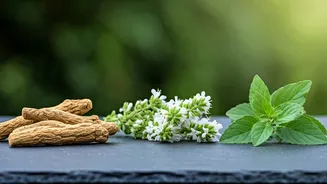
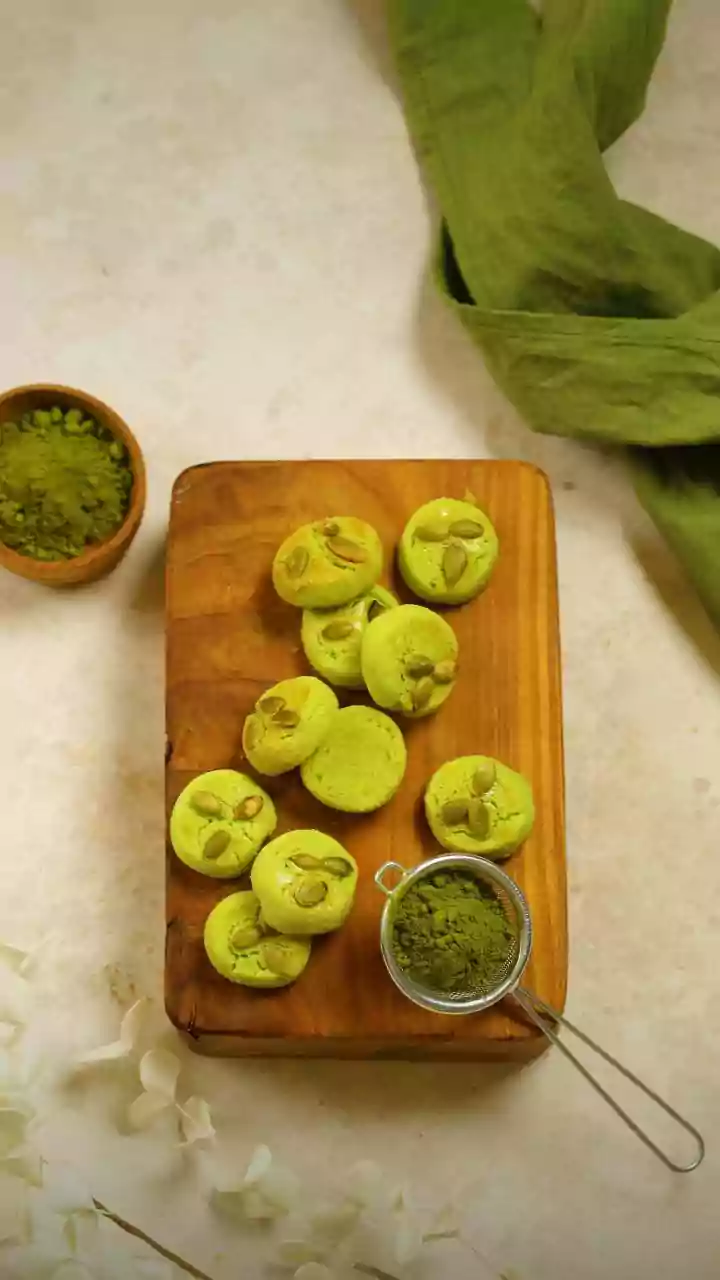
Gond Katira, a natural gum, is highlighted for its potential benefits in managing Polycystic Ovary Syndrome (PCOS) due to its inherent cooling properties. This ingredient can be a valuable addition to the diet for women dealing with PCOS, offering a gentle, traditional approach to symptom management. By helping to regulate body temperature and potentially reducing inflammation, Gond Katira may contribute to overall well-being and support the body's efforts to balance hormones. Its inclusion suggests a holistic approach to PCOS, blending natural remedies with a balanced diet to foster improved health outcomes.
Cinnamon for Menstrual Relief
Cinnamon emerges as a potent ally during menstruation, offering significant benefits due to its rich macro and micro-component profile. This common spice possesses properties that can help alleviate menstrual discomfort, making periods smoother and more manageable. Its anti-inflammatory and antispasmodic effects can be particularly helpful in reducing cramps and other painful symptoms. Integrating cinnamon into the diet, whether in beverages or meals, provides a natural and accessible way for women to ease the physical challenges associated with their monthly cycle and improve overall comfort.
Weight Loss and PCOS/Menstrual Health
A significant study suggests that weight loss can have a profoundly positive impact on both Polycystic Ovary Syndrome (PCOS) and menstrual symptom management. For individuals struggling to manage PCOS, achieving and maintaining a healthy weight may be the key to alleviating many of its associated issues. This finding emphasizes the interconnectedness of weight, hormonal balance, and reproductive health, offering a clear pathway for improving symptoms. Focusing on sustainable weight management strategies can lead to significant improvements in menstrual regularity and a reduction in the severity of PCOS-related concerns.
Foods for Period Regulation
Menstrual irregularities are a common concern, but instead of relying solely on medical interventions, specific foods can play a supportive role in regulating the menstrual cycle. This section explores expert-approved food choices that can help nourish the body from within and promote hormonal balance. By incorporating nutrient-dense options, women can support their reproductive health and encourage a more consistent cycle. The focus is on dietary strategies that complement the body's natural processes, offering a holistic approach to managing menstrual health and improving overall well-being.
Dairy and PCOS Debate
The role of dairy consumption for individuals with PCOS is a frequently debated topic. Nutritionist Amita Gadres weighs in on whether dairy should be avoided, providing expert insight into its potential impact on the condition. Understanding the nuances of how dairy might affect hormonal balance and inflammation is crucial for making informed dietary choices. This discussion aims to clarify common misconceptions and offer evidence-based guidance to help women with PCOS navigate their diet, particularly concerning dairy products, and optimize their health management strategies.
Intermittent Fasting and PCOS Weight Loss
While intermittent fasting (IF) is often promoted for weight loss, its effectiveness for individuals with PCOS may vary. This section explores why IF might not be the optimal strategy for everyone with PCOS, particularly concerning weight management goals. Understanding the specific metabolic responses and hormonal sensitivities associated with PCOS is key to determining the best approach. The advice suggests that a tailored strategy, rather than a one-size-fits-all method like IF, is often more beneficial for achieving sustainable weight loss and managing PCOS symptoms effectively.
Pineapple for Menstrual Comfort
Pineapple can be a surprisingly effective natural remedy for easing menstrual discomfort, offering a delightful way to navigate the challenges of the period. This tropical fruit contains bromelain, an enzyme known for its anti-inflammatory and pain-relieving properties, which can help reduce cramps and bloating. Incorporating pineapple into the diet during menstruation provides a tasty and accessible option for women seeking natural relief from common period symptoms, making those difficult days a little more bearable.
Herbal Drinks for PCOS
Ayurvedic experts recommend a selection of quick and easy herbal drinks that can significantly aid in managing the symptoms of PCOS. These beverages leverage the therapeutic properties of various herbs known for their ability to balance hormones, reduce inflammation, and support overall well-being. By incorporating these natural concoctions into their daily routine, women with PCOS can find a gentle yet effective way to support their bodies and mitigate common symptoms, offering a holistic approach to health management through traditional wisdom.
Spearmint Tea for PCOS
Spearmint tea is emerging as a powerful natural aid for women managing PCOS, offering a refreshing and effective way to address specific symptoms. Research suggests that spearmint tea possesses anti-androgenic properties, which can help reduce elevated levels of male hormones often associated with PCOS. Regular consumption can lead to improvements in facial hair growth, acne, and irregular periods, making it a valuable addition to a PCOS management plan. This simple herbal infusion provides a proactive and accessible method for women to support their hormonal health and overall well-being.
Navigating Menopause with Diet
The menopausal transition brings about a host of changes, and adopting a thoughtful, well-balanced diet can significantly ease these symptoms. This guide focuses on foods that actively support women's health during menopause, helping to alleviate common concerns such as hot flashes, mood swings, and bone density loss. By making informed nutritional choices, women can better navigate this life stage, promoting overall well-being and maintaining vitality. The emphasis is on a proactive dietary approach that nourishes the body and mitigates the physical and emotional challenges associated with menopause.
Period Cramp Relief Drinks
Dealing with period cramps can be a significant challenge, but incorporating specific drinks into your routine can offer considerable relief and make your menstrual cycle smoother. This section highlights five beverages that can help reduce the pain and discomfort associated with menstruation. These drink options often include ingredients with anti-inflammatory and antispasmodic properties, providing natural and accessible solutions for managing period pain. By opting for these soothing drinks, women can better navigate their monthly cycle with increased comfort and ease.
Superfoods for Women's Strength
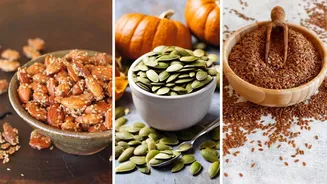
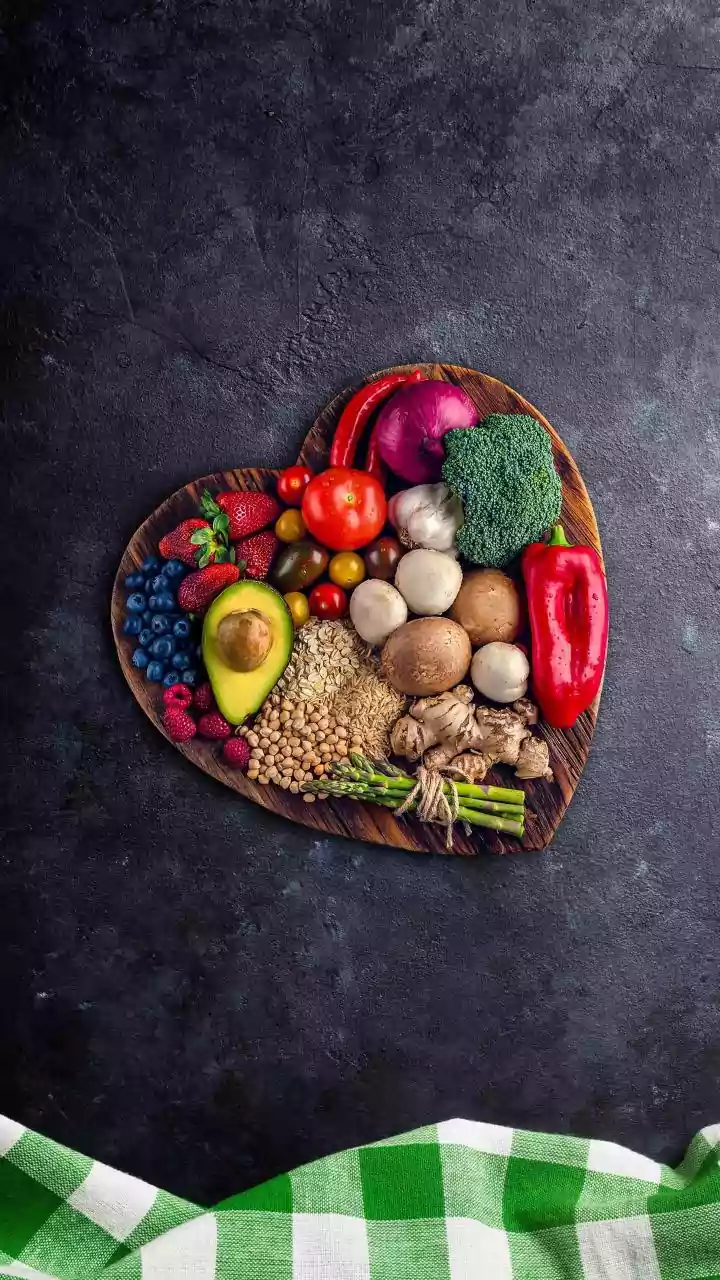
Maintaining health and strength is paramount for women, and focusing on nutrient-rich 'superfoods' can significantly contribute to daily nutritional needs. This selection of foods is ideal for women aiming to sustain energy levels and combat potential malnutrition. By incorporating these powerhouse ingredients into their diet, women can ensure they are receiving essential vitamins, minerals, and antioxidants vital for overall well-being and vitality. The focus is on dietary choices that promote robust health and resilience throughout women's lives.
Combating Lifestyle Diseases
Women's health undergoes various transformations throughout their lives, and as they age, specific lifestyle diseases become a concern. This section emphasizes the importance of incorporating certain foods into the daily diet to proactively combat these health challenges. By understanding which foods can bolster the body's defenses and support vital functions, women can take preventive measures. The advice focuses on dietary strategies that contribute to long-term health and reduce the risk of developing chronic conditions, particularly relevant for women navigating different decades of life.
Foods to Avoid with High Estrogen
While estrogen is essential for a woman's body, excessively high levels can lead to various health issues. This section details specific foods that should be avoided when estrogen levels are elevated, offering guidance on how to regulate them through dietary adjustments. Understanding the link between certain foods and hormone production or metabolism is key to maintaining a healthy hormonal balance. By making informed choices about what to consume and what to limit, women can effectively manage their estrogen levels and mitigate potential health complications.
PCOD Meal Planning
For individuals managing Polycystic Ovarian Disease (PCOD), a structured meal plan is crucial for effective management. This section provides a comprehensive full-day food chart, curated by a nutritionist, to guide dietary choices. It includes specific meal suggestions and recipes designed to support hormonal balance, improve insulin sensitivity, and reduce inflammation, all of which are critical for PCOD management. This detailed plan offers practical, actionable advice for women looking to optimize their diet and take control of their PCOD symptoms through informed eating habits.