




The Strand Oiling Advantage
Focusing oil application on the mid-lengths and ends of your hair, while deliberately avoiding the scalp, is known as strand oiling. This targeted approach
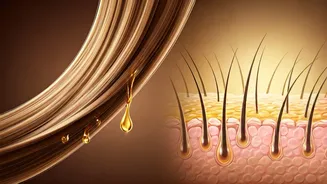
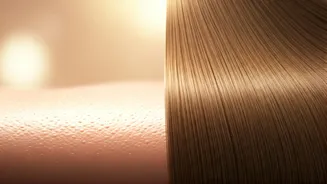
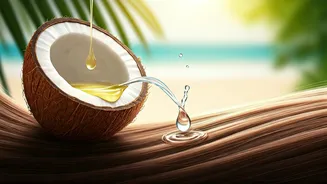
creates a protective coating around the hair shaft, significantly minimizing friction that often occurs during everyday activities like styling and brushing. This protective layer acts as a shield, helping to lock in moisture and combat frizz, leading to noticeably glossier and smoother locks. Furthermore, it safeguards the hair shaft from potential damage, particularly from heat styling tools. However, it's important to be mindful of the quantity; over-application can result in hair appearing greasy and feeling weighed down, losing its volume.
Scalp Oiling for Roots
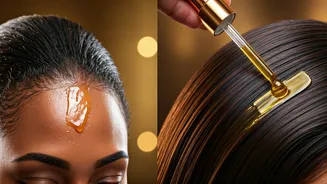
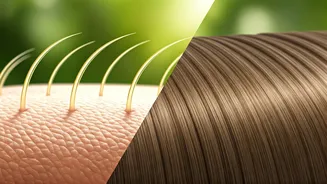
Scalp oiling involves directly applying oil to your scalp, typically accompanied by a gentle massage. This practice is designed to boost blood circulation to the scalp, delivering essential nutrients directly to the hair follicles. By fostering a healthier scalp environment, it lays the groundwork for more robust hair growth. This method also effectively hydrates the scalp, alleviating common issues like dandruff, itchiness, and flakiness. While beneficial, excessive oiling of the scalp can lead to clogged pores, make fine hair appear heavy, and potentially exacerbate dandruff if not managed properly.
Synergy for Best Results
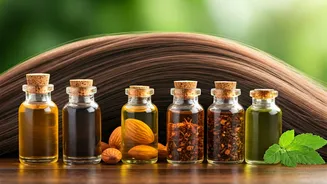
The most effective approach to achieving truly healthy and long hair involves integrating both scalp and strand oiling techniques. Oiling your scalp twice weekly for about 10-15 minutes can invigorate circulation and support follicle health. Following this, apply a lighter oil to your mid-lengths and ends to seal in moisture and prevent split ends and breakage. After allowing the oil to absorb for an hour or two, gently cleanse your hair and scalp with a mild shampoo. Opting for lightweight oils such as coconut, argan, almond, or jojoba oil will yield superior results without weighing down your hair.
Understanding Hair Growth
It's a common misconception that oiling directly stimulates hair to grow faster. In reality, oiling's primary benefit is strengthening existing hair strands and minimizing damage. By reducing breakage and keeping the hair shaft healthy and resilient, it allows your hair to reach its maximum potential length over time. Therefore, both scalp and strand oiling are crucial, as the overall length you achieve is intrinsically linked to how well your hair strands can withstand breakage. Each plays a vital, albeit different, role in maintaining hair health and promoting longevity.