






Embrace Kidney Health
Kidney health is a vital aspect of overall well-being, and diet plays a significant role in maintaining optimal kidney function. The kidneys, acting as filters,
remove waste and excess fluids from the body. Making informed dietary choices can prevent kidney disease and support overall health. This article highlights the key foods and beverages recommended by a nutritionist for kidney health. Incorporating these items into your daily routine could lead to significant health improvements and reduced risk of kidney-related issues. Remember, a balanced approach is key, and consulting a healthcare professional is always advisable for personalized guidance.
Hydration is Key
Adequate hydration is the cornerstone of kidney health. Water helps the kidneys efficiently filter waste products and maintain fluid balance. The nutritionist emphasizes the importance of drinking enough water throughout the day to support kidney function. Dehydration can strain the kidneys, making them work harder and potentially leading to problems. Regular water intake not only aids in flushing out toxins but also contributes to overall bodily functions. Consider carrying a reusable water bottle and sipping water consistently, particularly in warmer climates or during physical activities. Staying hydrated is an accessible and impactful way to support your kidneys and maintain optimal health.
Prioritize Whole Foods
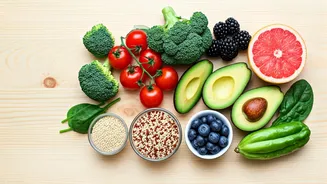
Focusing on whole, unprocessed foods is a key dietary principle for kidney health. Fresh fruits and vegetables provide essential vitamins, minerals, and antioxidants that support kidney function and protect against damage. Whole grains offer fiber, which aids in waste removal and helps maintain healthy blood sugar levels, indirectly benefiting the kidneys. By choosing whole foods over processed alternatives, individuals can reduce their intake of sodium, added sugars, and unhealthy fats, all of which can negatively impact kidney health. The nutritionist likely recommends a diet rich in colorful vegetables, such as spinach and bell peppers, along with fruits like berries. Including whole grains like quinoa or brown rice can also support optimal kidney function.
Limit Sodium Intake
Excessive sodium intake can increase blood pressure, which is a major risk factor for kidney disease. Reducing sodium in your diet is vital for protecting kidney health. The nutritionist probably advises minimizing the consumption of processed foods, fast foods, and salty snacks, as these are often high in sodium. Cooking at home allows for greater control over sodium content. Using herbs, spices, and lemon juice can enhance the flavor of meals without relying on salt. Checking food labels for sodium content and making informed choices is crucial. A low-sodium diet helps maintain healthy blood pressure levels, reducing the strain on the kidneys and minimizing the risk of kidney damage.
Watch Protein Portions
While protein is essential for overall health, excessive protein intake can put a strain on the kidneys. The kidneys help to filter waste products from protein metabolism. High-protein diets can cause the kidneys to work harder, which may lead to potential issues. The nutritionist likely suggests monitoring protein intake, particularly for individuals with pre-existing kidney conditions. Portion control is essential. Choosing lean protein sources like fish, poultry, and plant-based proteins can be beneficial. It is essential to balance protein intake with other nutrients to maintain overall health and support kidney function. Consulting with a healthcare professional or a registered dietitian is recommended to determine the right protein intake for your individual needs.
Mindful Sugar Consumption
High sugar intake can contribute to weight gain and increase the risk of diabetes, both of which can harm kidney health. Reducing added sugars is crucial for protecting the kidneys. The nutritionist likely suggests limiting sugary drinks, processed foods, and desserts, all of which can contribute to excessive sugar intake. Opting for natural sweeteners in moderation, such as fruit, is a better alternative. Maintaining healthy blood sugar levels is vital for supporting kidney function and preventing damage. Careful monitoring and conscious consumption of sugar can significantly benefit kidney health, promoting overall well-being and reducing the risk of kidney-related issues.
Limit Processed Foods
Processed foods are often high in sodium, unhealthy fats, and additives that can negatively impact kidney health. These foods frequently lack essential nutrients and can contribute to weight gain and other health problems. The nutritionist likely recommends minimizing the consumption of processed snacks, packaged meals, and fast foods. Cooking meals from scratch using fresh ingredients provides greater control over the ingredients and nutritional content of your diet. By avoiding processed foods, individuals can reduce their exposure to harmful substances and support optimal kidney function. This dietary choice is crucial for maintaining overall health and preventing kidney-related complications. Making conscious choices is vital for improved health.