



Hair Growth Fundamentals
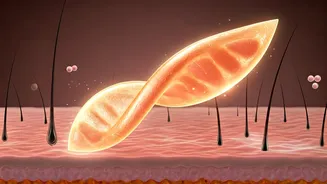
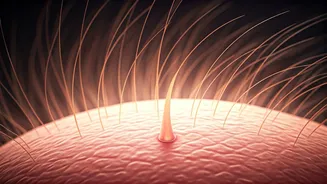
Understanding how hair truly grows is crucial before considering topical treatments. Hair originates from follicles located deep beneath the scalp, not
on the surface. This intricate process is primarily dictated by internal factors like genetics, hormonal balance, and overall nutritional status. While external applications can offer cosmetic benefits, they cannot fundamentally alter the biological timeline of hair growth. Genetics lay the foundation for hair thickness and growth rate, while hormones act as the primary regulators of the hair cycle. Proper nutrition, delivered through the bloodstream, provides the essential building blocks like keratin, which is vital for hair structure. Furthermore, systemic health, including stress levels and sleep patterns, significantly influences hair vitality. Therefore, any product applied externally, including milk, cannot bypass these internal mechanisms to accelerate the natural growth cycle.
The Milk Myth Debunked
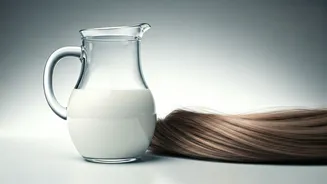
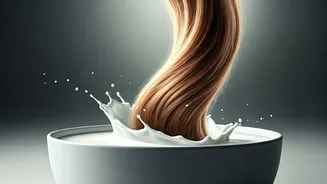
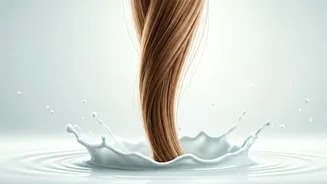
The notion that rinsing hair with milk stimulates faster growth stems from its rich nutritional profile. Milk is packed with proteins, vitamins (like B12 and D), minerals (such as calcium), and fats, all beneficial for hair health. Since hair itself is largely composed of keratin, a protein, the assumption is that topical application would directly replenish and bolster hair strands. However, scientific analysis reveals a significant limitation: the protein molecules in milk are too large to penetrate the scalp effectively or reach the hair follicle, the sole site of actual hair growth. Consequently, milk cannot act as a direct stimulant for the growth cycle. Experts generally agree that its primary function when applied topically is akin to a mild, natural conditioner.
Milk's Real Cosmetic Benefits
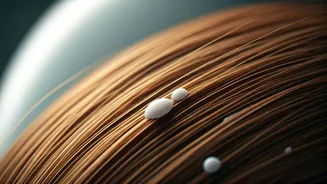
While milk may not be a magic elixir for rapid hair growth, it offers tangible cosmetic advantages that can improve hair's appearance and feel. The natural fats present in milk coat the hair shaft, imparting a silkier texture and making strands feel smoother to the touch. This coating also helps to tame frizz by adding a touch of weight and moisture, thereby controlling flyaways and enhancing manageability. Furthermore, the lactic acid in milk can function as a very gentle exfoliant for the scalp, potentially aiding those with dry or flaky scalps. By smoothing down the hair cuticle, milk can also contribute to a temporary increase in shine, giving hair a healthier, more lustrous appearance. These effects create the illusion of longer, healthier hair by improving its overall condition and reducing breakage.
The Perception of Growth
The perceived notion of faster hair growth from milk rinses often arises from an improvement in hair health that prevents breakage. When hair is less prone to frizz, brittleness, and dryness, it retains its length more effectively. Instead of growing faster, the hair is simply being preserved, meaning less length is lost due to damage. This improved condition makes it appear as though the hair is growing more rapidly. The key lies in 'retaining length' rather than 'accelerating growth.' By making hair stronger and more resilient, it withstands daily wear and tear better, leading to a visible increase in length over time. This is a classic example of enhanced hair condition being misinterpreted as accelerated growth.
Ingesting for True Growth
For actual influence on the hair growth cycle, the most effective way to benefit from milk's nutrients is through ingestion. Consuming milk allows your body to absorb its proteins, vitamins, and minerals, which are then distributed to the hair follicles via the bloodstream. This internal delivery system provides the essential 'building blocks' required for keratin production, the primary protein that makes up hair. While drinking milk contributes to hair health, it's important to remember that it is just one component of a balanced diet. Overall nutritional intake plays a comprehensive role in supporting healthy hair growth from within, ensuring that the follicles have the necessary resources to produce strong, healthy hair.
Scientific Nuances and Reality
While some dermatological research suggests that milk contains bioactive compounds with potential nourishing properties, these findings often pertain to highly concentrated extracts used in controlled laboratory settings. For instance, components like lactoferrin have been studied for their possible effects on hair follicle activity. However, these results do not directly translate to the application of regular, diluted milk at home. The practical reality of pouring a carton of milk onto your hair is vastly different from the scientific conditions under which such benefits might be observed. The effectiveness of such compounds is dependent on their concentration and the method of delivery, which are not replicated in a standard DIY hair rinse.
Practical Milk Rinse
If you are curious about experiencing the conditioning benefits of milk, a hair rinse can be tried without significant risk, provided expectations are managed. Opt for plain, room-temperature milk to avoid any temperature shock to your scalp or hair. Apply it generously to your hair, ensuring it is well-coated, and let it sit for approximately 15 to 20 minutes. This duration allows the fats and proteins to work on the hair shaft. Crucially, after the treatment, it is essential to wash out the milk thoroughly using a mild shampoo. This step is vital to remove any residue and prevent potential odor issues, ensuring your hair feels clean and refreshed, not sticky or unpleasant.
Effective Hair Growth Strategies
For those seeking genuinely impactful results in hair growth, focusing on science-backed practices is the most reliable approach. A balanced diet rich in essential nutrients like iron, zinc, and biotin is fundamental, as these are vital for hair follicle function and keratin production. Regular scalp care, including keeping the scalp clean and stimulating blood circulation through gentle massages, can also promote a healthier environment for hair growth. Minimizing damage is equally important; this involves reducing the use of heat styling tools and avoiding harsh chemical treatments that can weaken hair strands. By prioritizing these foundational elements, you create the optimal conditions for your hair to thrive and grow to its fullest potential.