
Fabric Falls Gracefully
The material of your saree plays a pivotal role in how it drapes and consequently, how your figure appears. Opting for fluid fabrics like georgette, chiffon,
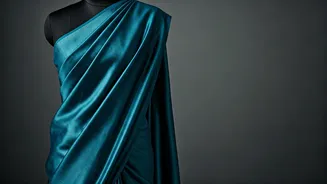
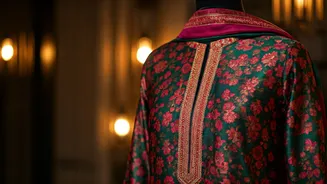
satin blends, crepe, or lightweight silks is key. These materials naturally skim the body, creating soft lines and avoiding the bulk that stiffer materials such as heavy cotton, organza, or heavily starched weaves can introduce. By allowing the fabric to flow, you avoid adding visual width and instead achieve a more streamlined and elongated silhouette. Celebrities often favour these lighter fabrics for red carpet events precisely because they create cleaner lines, contributing to a leaner visual effect. A well-draped, lightweight saree can significantly enhance your shape with far less effort than imagined.
Blouse: The Unsung Hero
Often overlooked in favour of the saree itself, the blouse is a critical component for achieving a flattering look. An ill-fitting blouse, whether too tight or too loose, can disrupt the entire aesthetic. A blouse that is too snug can create unwanted bulges, while one that is too loose results in a shapeless appearance. The ideal fit is one that is structured yet comfortable. Neckline choices, such as V-necks, sweetheart necklines, or slightly deeper cuts, along with well-tailored sleeveless or properly fitted elbow-length sleeves, can visually lengthen the upper body. It’s also advisable to avoid overly padded or bulky blouse designs if a sleeker look is desired. Investing in professional tailoring for your blouse ensures it complements your figure perfectly, transforming your saree ensemble.
Draping: Sculpting Your Form
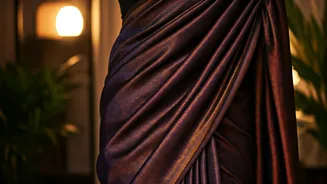
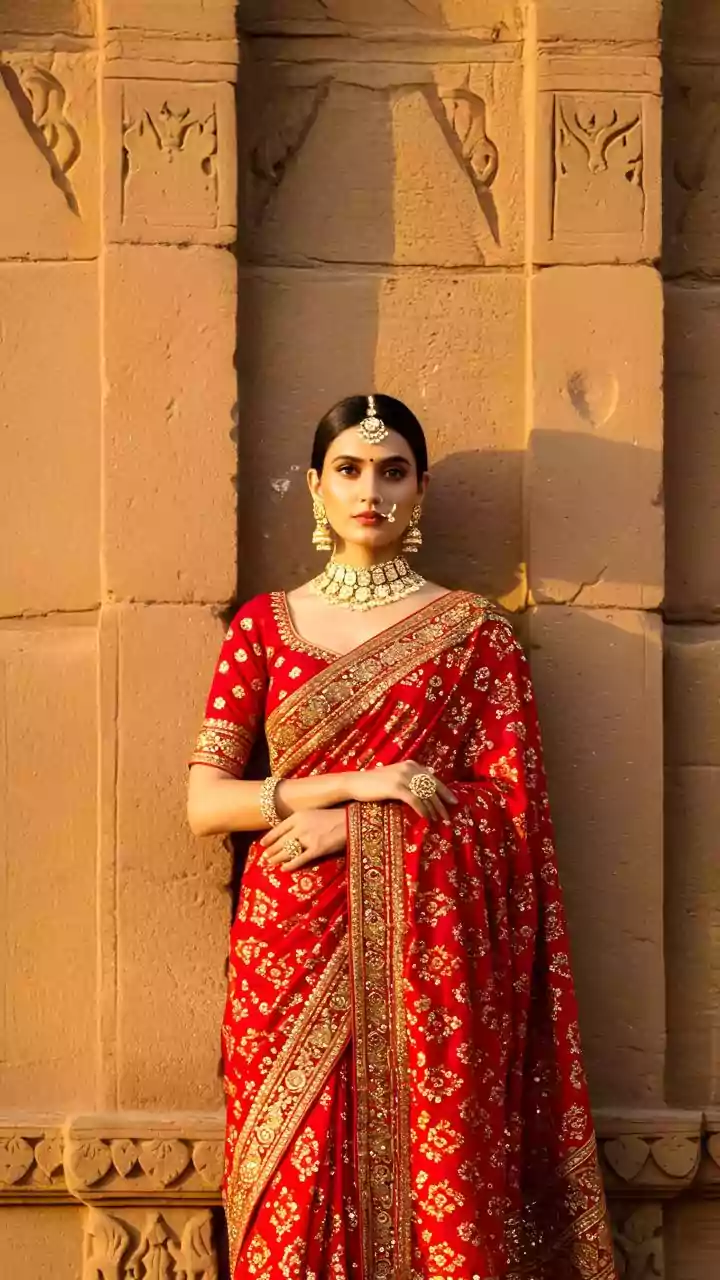
The way you drape your saree has a profound impact on how your body shape is perceived. To create a more streamlined silhouette, focus on making neat and relatively narrow pleats rather than wide, voluminous ones; excessive fabric gathered at the waist can add visual bulk. The pallu also contributes significantly: a clean, vertical drape tends to create a longer frame compared to styles that are spread out. Consider wearing the saree slightly higher on the waistline, which helps to define proportions more effectively and contributes to a taller, more defined look. A fundamental principle to remember is to minimize bulk in the front pleats, as less fabric gathering leads to a cleaner, more graceful fall.
Colour and Print Power
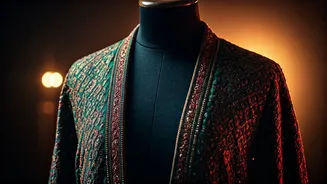
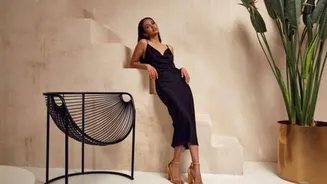
The choice of colours and prints in your saree can subtly influence how your proportions are perceived. Darker shades, including deep wines, navy blues, emerald greens, charcoal greys, chocolate browns, or classic black, naturally tend to create a more elongated effect. Monochrome ensembles are particularly effective in sarees for achieving this. Conversely, large, bold prints, thick borders, or numerous contrasting colours can sometimes visually widen the frame. Smaller prints and delicate embroidery typically offer a more balanced and sleeker appearance. Additionally, vertical detailing, such as linear sequin patterns or long embroidery motifs, can further enhance the illusion of length. While dark colours are effective, don't shy away from vibrant hues if you love them; the key is thoughtful balance.
Accessorize Wisely
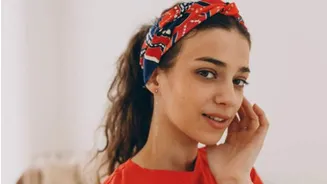
Accessories have the power to either elevate your saree look or overwhelm it. Overly chunky jewellery, large bangles, heavy waist belts, prominent hair accessories, or elaborate potli bags can collectively make the ensemble appear visually crowded. Instead, aim for balance by selecting one statement piece and complementing it with simpler styling elsewhere. Long, elegant earrings can beautifully elongate the neck, while sleek hairstyles like tidy buns, soft waves, or pulled-back ponytails contribute to cleaner lines. A slender saree belt can be effective if worn correctly and doesn't create an awkward visual break at the waist. The overarching goal is harmony; when the accessories feel lighter and more refined, the entire look appears sharper and more sophisticated.