




Punjabi Cuisine Basics
Punjabi cuisine is known for its rich flavors and generous use of ingredients like ghee, butter, and cream. Dishes often feature a variety of lentils,
vegetables, and meats, complemented by aromatic spices. Nutritionists have started to examine how these elements translate into a dietary context. Traditional Punjabi meals provide a blend of carbohydrates, proteins, and fats, essential for overall health. However, the preparation methods and ingredient choices heavily influence the nutritional profile. The understanding of these aspects helps evaluate the advantages and possible disadvantages associated with each dish, making way for informed dietary choices.
Key Nutritional Components
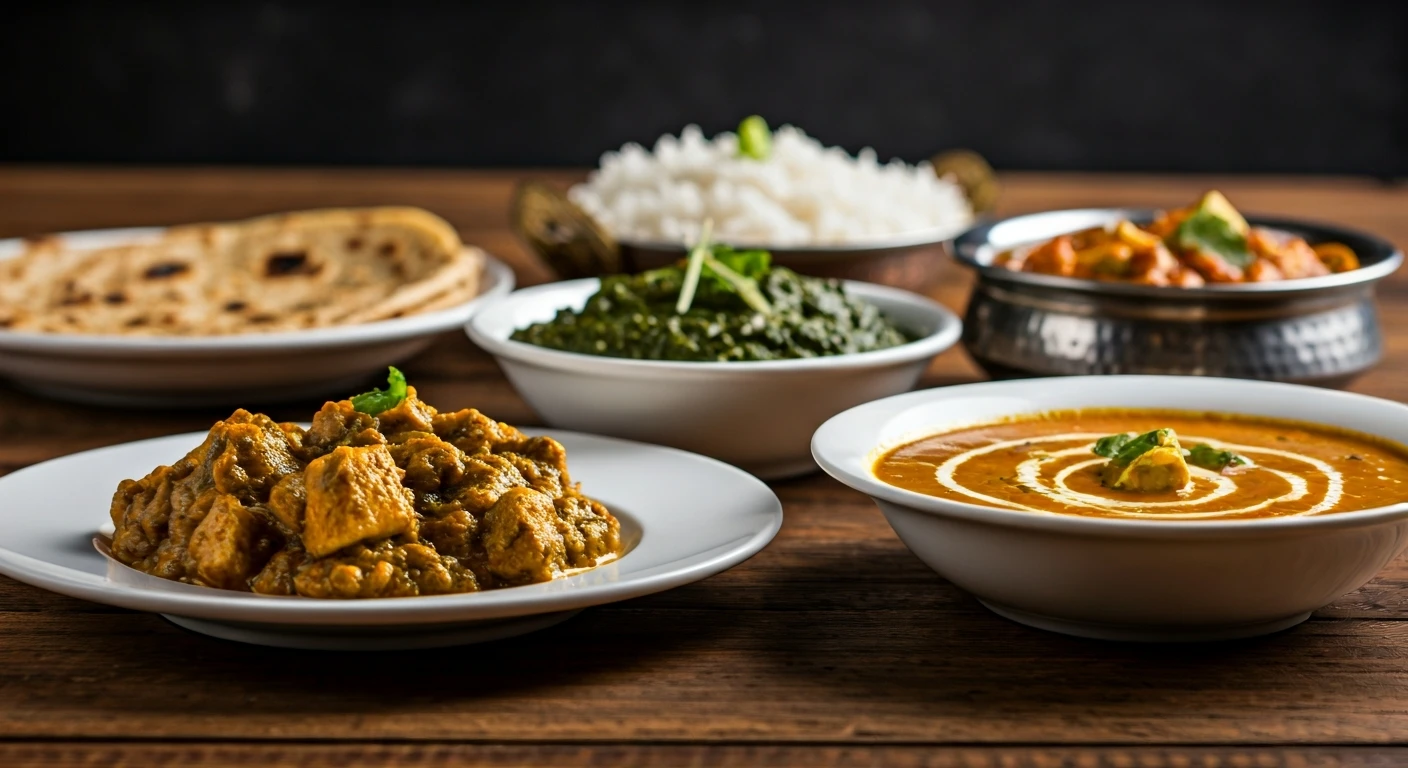
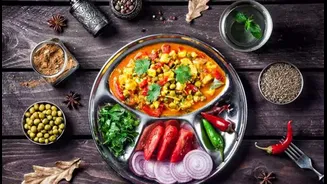
A typical Punjabi diet incorporates several key components. Lentils and legumes, which are a staple, offer high protein and fiber content, making them beneficial for digestion and sustained energy. Vegetables used, such as spinach and mustard greens, bring essential vitamins and minerals. Meats, when consumed in moderation, add protein and iron to the diet. The use of dairy products like yogurt and paneer also contributes to the intake of calcium and protein. Despite the perceived richness of Punjabi food, careful selection and portion control can result in a well-rounded and nutrient-rich diet, balancing both taste and health.
Dishes and Their Impact
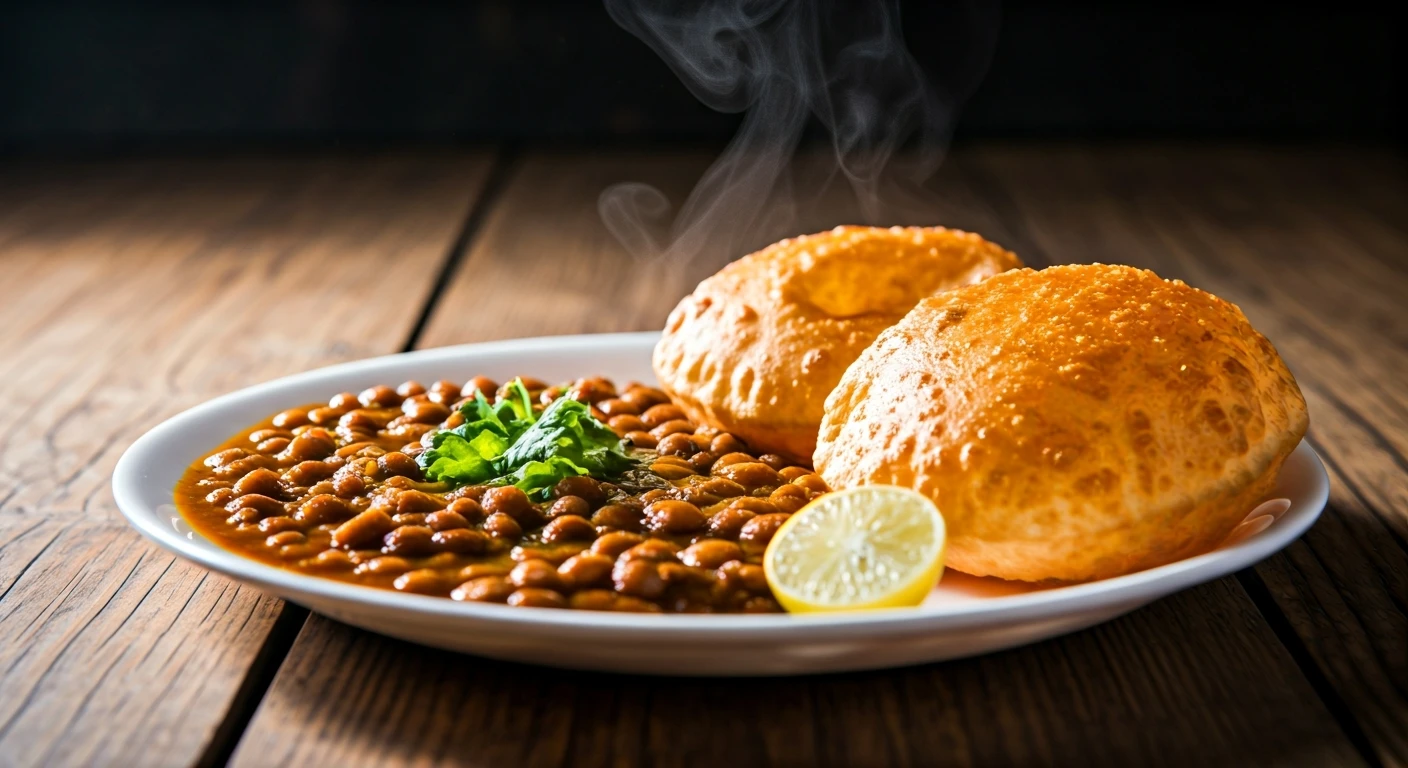
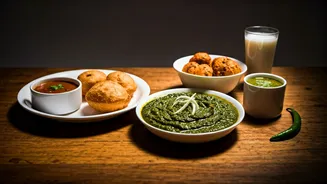
Popular Punjabi dishes have varied nutritional impacts. Dishes like Sarson ka Saag and Makki di Roti showcase the goodness of leafy greens and maize, offering fiber and essential nutrients. Chole Bhature is often considered indulgent, as it is high in fats, but it can be enjoyed in moderation. The tandoori preparations, often involving marinated meats, are relatively healthier choices as they involve less oil. Understanding the ingredients and preparation methods is key. The nutritional value is greatly affected by the amount of oil, cream, and other ingredients added. Therefore, by making informed choices, it is possible to incorporate favourite Punjabi dishes into a healthy eating pattern.
Moderation and Balance
The key to enjoying Punjabi food while maintaining a healthy lifestyle is moderation and balance. Nutritionists suggest focusing on portion control. Choosing healthier preparation methods, like grilling or baking instead of deep-frying, can greatly improve nutritional value. Including more vegetables and lean protein sources can enhance the diet. It is also important to consider the overall eating plan, ensuring a mix of various foods to get all the required nutrients. Balancing the richness of Punjabi food with regular exercise and a lifestyle that promotes overall wellness is essential. Therefore, conscious choices and a balanced approach are essential for enjoying the cuisine without compromising health.
Badshah's Diet Insights
While details of Badshah's exact diet are not explicitly provided, the article provides an opportunity to reflect on the rapper's diet. It is likely that Badshah would incorporate his favourite Punjabi dishes into his diet plan, with attention to balance and healthier preparation methods. His meals would probably be curated by nutritionists and fitness experts. This is to ensure that he receives the necessary nutrients while maintaining a healthy lifestyle. This can include portion control, choosing leaner meats, and incorporating fresh vegetables. The primary focus is to balance taste preferences with health consciousness.