




Chai's Cultural Significance
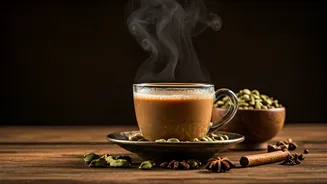
Chai holds a significant place in Indian culture, transcending its function as a mere beverage. It's often associated with moments of connection, relaxation,
and comfort, serving as a staple in households and social gatherings alike. Diwekar understands this cultural context and appreciates the place chai holds in people's routines. Recognizing chai's widespread appeal and the individual variances in the way people consume it, her perspective looks beyond a simple 'one size fits all' formula. It’s a drink that is not just a beverage; it embodies moments of togetherness, casual chats, and a sense of calm. The approach taken considers the rich legacy and significance of chai within the daily lives of many individuals.
Individualized Consumption Advice
Diwekar's guidance doesn't provide a rigid number for chai consumption. Instead, she emphasizes the necessity of paying attention to the unique requirements of the individual. Considerations such as lifestyle, bodily needs, and the overall balance of the diet are all important factors when determining how much chai to consume in a day. The specific number of cups of chai one should drink each day is not a generalized standard, but is subject to one's own constitution and needs. It's about adapting a personalized approach to your diet, taking into account individual tolerances and lifestyle choices. Whether it's one cup or a few, the decision is meant to ensure that the individual is in tune with their body and what it requires.
Lifestyle Considerations
The choices of lifestyle significantly shape the optimal chai intake. Diwekar's advice integrates an assessment of one’s routines and activities into the recommendation process. For instance, people who lead highly active lives or individuals with certain metabolic traits might have different needs compared to people with more sedentary lifestyles. In these instances, the timing and quantity of chai consumption can be adjusted, considering the other aspects of diet and the daily activity pattern. This involves a keen understanding of the body’s reaction to chai, taking into consideration how it is absorbed and metabolized. Furthermore, Diwekar encourages finding balance in how chai integrates into the overall lifestyle to ensure it supports rather than hinders the individual’s health and wellness goals.
Ingredients and Preparation
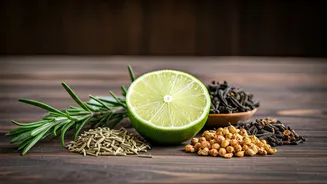
Beyond the quantity, Diwekar likely emphasizes the ingredients used in making chai and the method of preparation. The inclusion of certain spices, such as cardamom, ginger, and cinnamon, can amplify the health advantages of chai. The selection of milk, and the addition of sweeteners like jaggery instead of refined sugar, also play a crucial role in improving its nutritional profile. Her perspective would suggest that making chai is more than just combining the ingredients, it’s an art. The art of preparing chai is also important; it should be created to maximize nutritional benefits. The attention to detail in ingredient selection and preparation methods underscores her belief in the holistic approach to wellness, where every element contributes to the overall well-being.
Listening to Your Body
A core aspect of Diwekar's advice centers around the capacity to listen to your body and interpret its signals. She encourages people to become mindful of how chai influences their bodies, watching for things like digestion, energy levels, and sleep patterns. She encourages people to determine the right level of consumption through self-reflection. If chai causes digestive issues, sleep disturbances, or jitters, it might be an indication to reduce intake or alter the timing. The emphasis is on building a closer connection with oneself in order to recognize how food and drinks affect the body. By becoming attentive to these signals, individuals can make informed choices to support their health and well-being. This perspective shows the importance of integrating personalized awareness into daily routines.
Sustainable Daily Routine
Diwekar's perspective suggests that moderation and balance are essential for long-term health. Instead of encouraging drastic changes, she likely supports making steady, sustainable modifications to consumption habits. She would emphasize the significance of integrating chai into one's life in a way that is compatible with the overall dietary framework. This entails ensuring that chai consumption supports, and does not obstruct, the broader health objectives. Rather than focusing on a short-term solution, Diwekar encourages people to adopt a long-term strategy for well-being. This outlook supports the concept of making well-informed decisions that enable people to enjoy their favorite drinks, like chai, without jeopardizing their health and lifestyle.