




The Samosa's New Arena
For the first time in its 18-year history, the esteemed British Pie Awards will feature samosas as an official entry. This significant development was
spearheaded by Keran Turakhia, affectionately known in the UK as '@samosawallah1'. The samosa, a universally adored deep-fried Indian delicacy, is now poised to challenge traditional notions of what constitutes a 'pie'. This inclusion marks a culinary crossover, inviting a reconsideration of familiar food categories and celebrating the adaptability of beloved dishes.
Crafting a Pie-Worthy Samosa
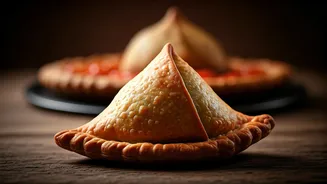
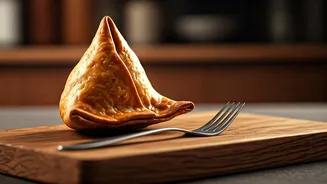
To meet the awards' stringent requirement that pies must be baked, Samosa Wallah ingeniously developed a baked version of the classic samosa. While the beloved, spiced potato filling remains central, the pastry has been adapted for oven or air fryer preparation. This strategic adaptation allows the samosa to enter the competition without sacrificing its essential flavour profile, yet it inevitably raises questions about its classification: is a baked samosa truly a pie? This innovation highlights the creativity involved in bridging traditional culinary boundaries.
Defining the Humble Pie
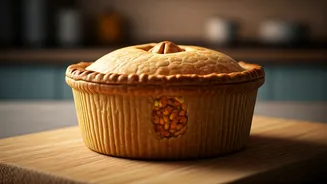
A pie is fundamentally defined as a baked dish featuring a pastry crust encasing either a sweet or savoury filling. This crust, typically created from flour, fat, and water, can form a base, a lid, or both. Historically, sweet pies are known for their fruit, custard, or nut fillings, while their savoury counterparts often contain meats, vegetables, or cheese. The essence of a pie lies in its baked pastry shell holding a delightful interior.
The Ancient Origins of Pies
The concept of pies stretches back millennia, with early iterations appearing among the ancient Egyptians around 2000 BCE. These rudimentary forms utilized simple crusts made from grains and water, designed to hold sweet fillings like honey. These ancient precursors were more akin to flat pastries, focused on enclosing sweet ingredients. This historical lineage underscores the long-standing human tradition of encasing food within dough for consumption.
Understanding the Samosa
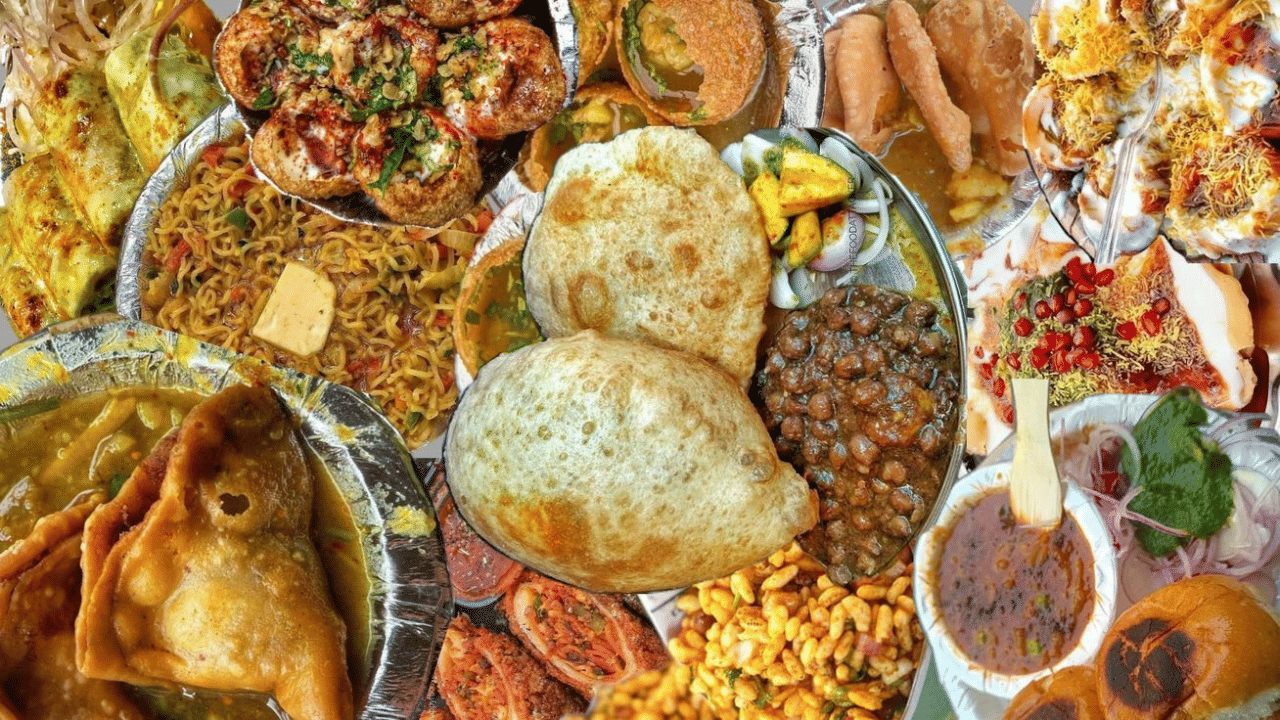
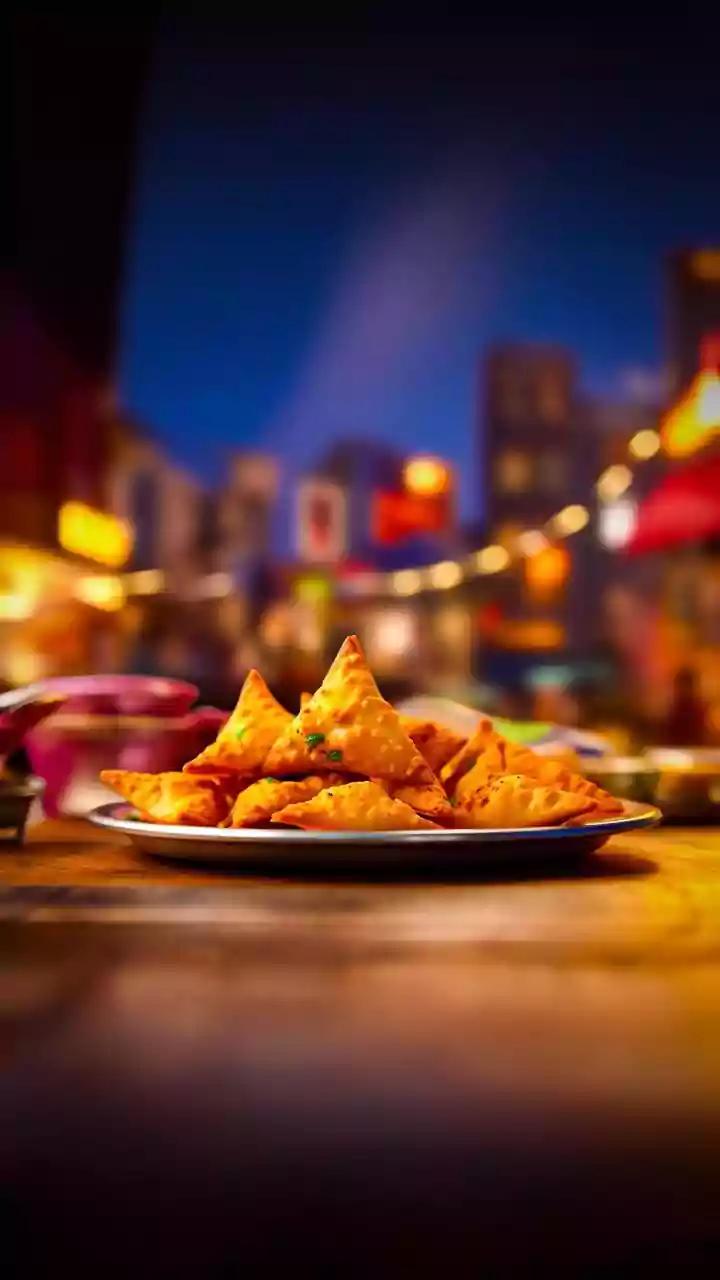
A samosa is a popular deep-fried Indian snack. Its dough is typically made from refined flour, fat, salt, and oil. The most common filling consists of mashed, boiled potatoes seasoned with spices. However, samosas are incredibly versatile, with variations incorporating ingredients like noodles, peas, cauliflower, meat, and even chocolate. Its characteristic triangular or conical shape and crispy exterior are hallmarks of this beloved street food.
The Samosa's Middle Eastern Roots
The origins of the samosa can be traced back to the Middle East around the 10th century. The earliest recorded mention appears in the historical work 'Tarikh-e Beyhaqi' by Iranian historian Abolfazl Beyhaqi, where it was referred to as 'Sambosa'. These early versions were considerably smaller, making them ideal snacks for travellers who could easily carry and consume them on journeys. This historical context reveals the samosa's long journey from a portable snack to a global culinary icon.
Samosa vs. Pie: A Culinary Conundrum
The question of whether a samosa qualifies as a pie sparks ongoing debate, with diverse opinions emerging. However, both samosas and pies can be viewed as belonging to a broader category of filled pastries. In both cases, dough is used as a vessel to enclose a filling before a cooking process, be it baking or frying. This shared characteristic blurs the lines and invites enthusiasts to ponder whether their cherished samosa could indeed share the esteemed title of 'pie'.