

Why Iron Matters
Iron is an indispensable mineral that fuels a child's rapid development, supporting everything from the building of new cells and muscles to the intricate
wiring of their brain. This essential nutrient is a cornerstone of haemoglobin, the protein in red blood cells responsible for transporting life-sustaining oxygen from the lungs throughout the entire body. Without adequate iron, children may exhibit a range of concerning symptoms including persistent fatigue, irritability, stunted physical growth, and significant difficulties with concentration, which can undoubtedly impact their academic performance and overall well-being. When a child’s diet lacks sufficient iron, their body begins to deplete its stored reserves, a process that can eventually escalate into iron-deficiency anaemia. This condition signifies a critical shortage of healthy red blood cells, compromising the body's ability to deliver oxygen efficiently to all its tissues and organs.
Spotting the Signs
Iron deficiency, particularly among children aged three to fourteen, has become an increasingly prevalent concern, with toddlers, fussy eaters, and adolescents often being the most vulnerable demographics. Despite its widespread nature, awareness levels regarding this deficiency remain surprisingly low, leading many families to miss crucial opportunities for timely medical intervention and dietary adjustments. The good news, however, is that iron deficiency is largely preventable and manageable through strategic dietary planning. Recognising the symptoms is the first step; these can manifest as persistent tiredness, a noticeable paleness in the skin, a reduced capacity for focus and concentration, and potentially delayed milestones in physical development. Understanding these indicators empowers parents to seek appropriate guidance and implement effective dietary changes to support their child's health.
Iron-Rich Foods
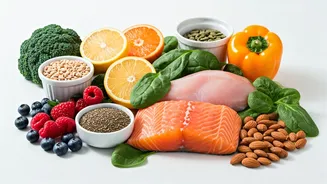
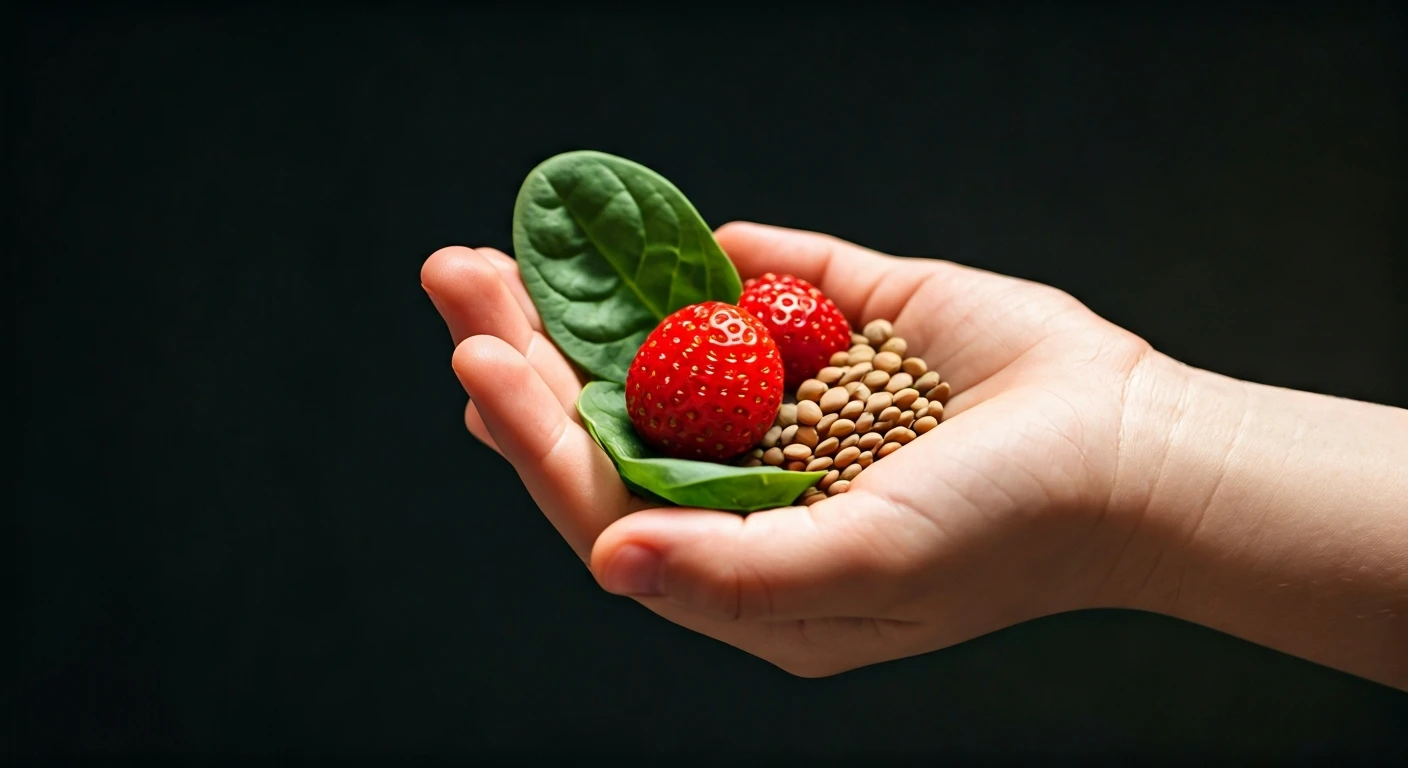
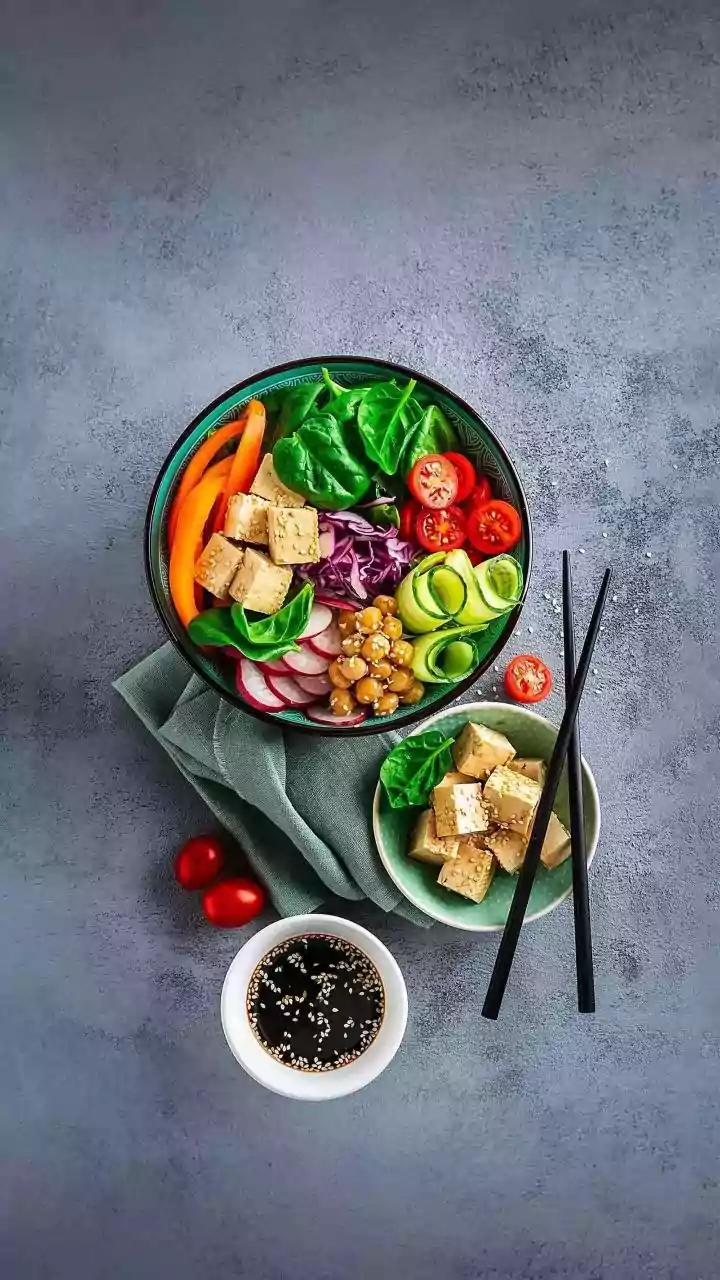
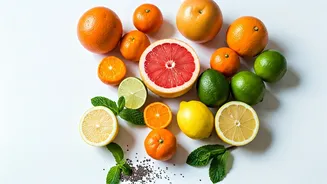
Empowering your child's iron intake is achievable through thoughtful food selections. Incorporating fish regularly into meals offers a valuable source of this essential mineral. For breakfast, fortified cereals and oats are excellent choices, providing a convenient way to boost iron levels. Crucially, pairing these iron sources with foods rich in Vitamin C, such as strawberries or oranges, dramatically enhances iron absorption. Legumes like beans and lentils are incredibly versatile and can be seamlessly integrated into various dishes like soups, stews, or wraps. Leafy green vegetables, including spinach, kale, and broccoli, not only provide iron but also contribute vital fibre and vitamins. Eggs offer a dual benefit of iron and protein, making them a nutritional powerhouse. For healthy snacking options, dried fruits like raisins and apricots can be a great addition. As highlighted by experts, the synergy between iron-rich foods and Vitamin C sources is a key strategy for optimising iron uptake.
Smart Food Pairings
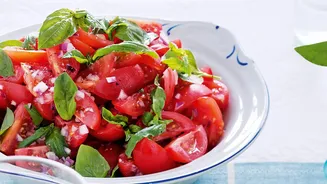
Beyond simply selecting iron-rich foods, understanding how to combine them effectively is paramount for maximizing absorption. The presence of Vitamin C is a powerful facilitator, so consciously pairing meals containing iron with sources like oranges, tomatoes, or bell peppers can make a significant difference. Conversely, it's equally important to be aware of foods that can hinder iron absorption. High-calcium items, such as milk and yoghurt, when consumed alongside iron-rich meals, can impede the body's ability to utilise iron. Therefore, strategic meal planning becomes a cornerstone of preventing iron deficiency. By being mindful of these food combinations, parents can ensure that the iron their children consume is effectively absorbed and utilised, contributing to their overall health and development.