



Conversations Matter Daily
The period of toddlerhood is a remarkable time of burgeoning language acquisition, where simple sounds evolve into discernible words and basic sentence
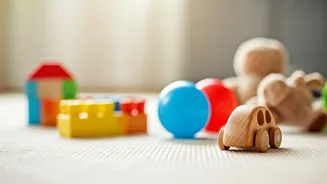
structures. Crucially, this development doesn't necessitate formal instruction; instead, it's profoundly influenced by the regular exchanges a child experiences. Engaging in casual discussions during playtime, mealtimes, or throughout daily chores provides a rich exposure to new vocabulary and phrasing. These consistent interactions are instrumental in helping toddlers grasp the mechanics of communication and its utility for expressing their needs, feelings, and curiosities. Through these seemingly minor yet significant exchanges, children gradually expand their word banks, hone their listening abilities, and cultivate confidence in their communicative prowess. Listening to the chatter around them, even if they can't fully participate, allows them to absorb the rhythm and meaning of language as adults discuss their day-to-day activities like cooking or tidying up. Phrases like "Let's get your hands clean!" or "See the bright red ball?" offer concrete examples of how toddlers internalize language, building a foundation for their own future speech.
Stories and Playtime Power
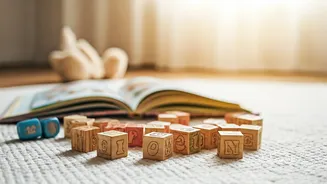
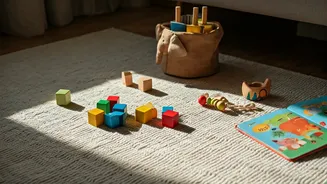
Immersing toddlers in the world of picture books and simple narratives significantly aids their language acquisition journey. When caregivers point to illustrations, pose questions about characters, or recount a beloved story, children become more acquainted with specific words and sentence patterns. Toddlers often delight in hearing stories repeatedly, which reinforces new vocabulary and helps them understand how sentences are constructed. Beyond just words, storytelling also nurtures a child's imagination and inquisitiveness, forging a positive association between language and the joy of discovery. Playtime itself is another fertile ground for language development. While engaging with toys like blocks or puzzles, parents can narrate the child's actions, helping them connect words with physical activities. For instance, saying "The car is zooming away!" or "Let's pile these blocks up high" helps them grasp action-oriented verbs and descriptive terms. Play also creates opportunities for toddlers to learn to communicate through responding to gestures, sounds, or their own nascent words, fostering a reciprocal communication loop.
Repetition Builds Confidence
Repetition stands out as a highly effective method for toddlers to consolidate their learning. When children repeatedly hear the same words and phrases, they are more likely to retain them and eventually use them in their own speech. Common daily routines, such as saying hello and goodbye, enjoying meals together, or preparing for bedtime, naturally involve a lot of repetition. These familiar sequences help toddlers decipher the meaning of words and provide them with the assurance needed to attempt using new terms. This consistent exposure allows for the organic absorption of new vocabulary. Furthermore, positive reinforcement plays a crucial role in making toddlers feel at ease with expressing themselves. When adults show genuine interest in what a toddler is trying to communicate, the child feels motivated to continue verbalizing. Even if their pronunciation isn't perfect or their grammar is rudimentary, this encouragement builds their confidence. A warm smile, repeating their utterance correctly, or asking a relevant follow-up question can significantly boost a toddler's willingness to explore their ability to express themselves.