





Decoding the Metallic Taste
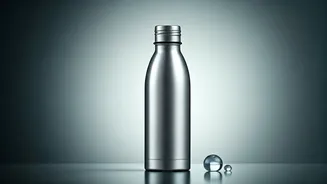
The subtle yet off-putting metallic flavor that sometimes accompanies your water from a steel bottle is a common query among daily users. This taste often
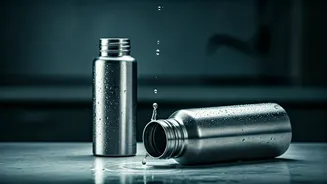
points not to the water itself, but rather to the bottle's construction and upkeep. According to health and diet experts, the primary culprit is typically the quality of the stainless steel used or the standard of its internal finishing. Not all stainless steel is created equal; higher grades, specifically 304 or 316, are inherently more resistant to corrosion and chemical interactions. These superior grades are less prone to leaching substances that could alter the water's taste. Conversely, less expensive bottles might employ lower-grade steel or possess rougher inner surfaces. Over time, interaction with moisture, heat, or even acidic beverages like lemon water can cause a slight reaction with the interior, leading to the metallic hint. Furthermore, inadequate cleaning can allow mineral deposits from tap water or residues from previous drinks to accumulate, subtly impacting the water's flavor profile and contributing to that undesirable metallic note.
Single vs. Double Layer
The distinction between single-layered and insulated, double-layered steel bottles often leads to assumptions about safety. However, the number of layers in a steel bottle does not inherently guarantee the water's chemical safety; this is fundamentally determined by the grade of stainless steel employed. While double-layered bottles offer enhanced insulation, which helps maintain water temperature and keep it cooler for extended periods, this benefit is more about hygiene and user experience rather than direct chemical safety. Cooler water is less conducive to microbial proliferation, particularly in warmer climates or when the bottle is carried throughout the day. Therefore, insulated bottles indirectly contribute to better hygiene by slowing down the growth of bacteria, which can affect the water's taste and overall freshness, offering a more pleasant drinking experience compared to their single-layered counterparts, especially under prolonged use.
Ensuring Pure Hydration
To effectively circumvent the unpleasant metallic taste from your steel water bottle and ensure consistently pure hydration, several key practices are recommended. Prioritize selecting bottles manufactured from high-grade stainless steel, specifically 304 or 316, as these materials are less reactive and maintain water's integrity. It is also advisable to limit the prolonged storage of acidic beverages, such as fruit-infused water, within the bottle, as their acidity can exacerbate reactions with the steel over time. Regular cleaning is paramount; use a mild soap and water solution, ensuring the bottle is thoroughly rinsed and allowed to air dry completely between uses. This prevents the buildup of mineral deposits or residual flavors. Finally, vigilance regarding the bottle's condition is crucial. If you notice any signs of rusting, pitting, or a persistent, unresolvable odor, it is time to replace the bottle to guarantee the purity and safety of your drinking water.