




Why Fountains Matter
In Vastu Shastra, water signifies life force and financial flow, akin to how flowing water remains fresh while stagnant water deteriorates. Introducing
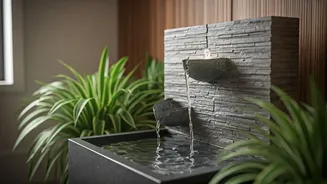
a water fountain into your home revitalizes stagnant energy, often referred to as 'Prana,' promoting a dynamic and vibrant atmosphere. Beyond its aesthetic appeal, a well-placed fountain can act as a conduit for attracting financial abundance and can also help to soothe heated emotions, contributing to a more harmonious family environment. It's a powerful tool to infuse your home with positive vibrations and a sense of calm, transforming tense spaces into tranquil retreats. The gentle movement and sound of water create a palpable shift in the home's energetic field.
Prime Placement Zones
Strategic placement is paramount when integrating a water fountain into your home according to Vastu principles. The North direction, governed by Lord Kubera, the deity of wealth, is highly recommended for those seeking financial growth and career advancement. A fountain in this area is believed to dissolve professional obstacles and usher in new opportunities. For a sense of profound spiritual calm and mental serenity, the Northeast (Ishan Kon) is the ideal spot. This corner is considered the most sacred, and a small, immaculately maintained fountain here can enhance meditation practices or quiet contemplation. To foster improved social connections and a better standing within your community or business circles, position the fountain in the East, a direction associated with social harmony and healthy relationships.
Areas To Avoid
Certain areas within a home are considered detrimental for water fountain placement in Vastu, and adhering to these guidelines is crucial. The South and Southeast directions are strongly associated with the element of fire, and placing water in these zones can create a clash, potentially leading to arguments, health issues, or unforeseen financial losses. The bedroom is another absolute 'no-go' zone; despite the perceived soothing sound of water, its presence can disrupt marital harmony and disturb sleep patterns, as bedrooms should be reserved for rest and rejuvenation. Furthermore, placing a water fountain beneath a staircase is generally discouraged, as the confined space can restrict the positive energy flow of the water feature, creating an oppressive atmosphere.
Choosing Your Fountain
When selecting a water fountain, consider specific attributes that align with Vastu principles for maximum benefit. Prioritize fountains where the water flows inward, towards your home, symbolizing the attraction of wealth and prosperity rather than its dissipation. Regarding materials, natural elements like stone, clay, or metal are preferred as they are believed to carry more potent earthy vibrations than synthetic options. While plastic is acceptable, it is less energetically favorable. Crucially, pay attention to the sound: the motor should be quieter than the gentle sound of flowing water, creating a tranquil ambiance rather than an irritating noise. A clear, natural water sound enhances the calming effect and positive energy.
Maintenance Essentials
Proper upkeep of your water fountain is vital to ensure it continues to attract positive energy and avoid negative consequences. A broken or malfunctioning fountain is considered inauspicious, symbolizing stagnant growth and decay, much like stagnant water itself. It is imperative to keep the fountain immaculately clean, ensuring the water is always fresh and free of slime or debris. If you plan to be away for an extended period, such as a vacation, it is best to drain the fountain completely. Never allow a water fountain to sit with old, stagnant water, as this negates its positive effects and can attract unfavorable energies into your home, undermining the very benefits you sought.
Holistic Benefits
Beyond Vastu adherence, water fountains offer tangible advantages for your living environment. They act as natural air purifiers by releasing negative ions, which help to cleanse the air of microscopic particles like dust and allergens, contributing to better indoor air quality. The consistent, gentle sound of running water functions as a natural form of white noise, effectively masking jarring external sounds such as traffic or noisy neighbors, thereby promoting relaxation and reducing stress after a demanding day. Additionally, in drier climates or during arid seasons, a water fountain can serve as an effective and aesthetically pleasing humidifier, maintaining a more comfortable and healthy level of moisture in your home.