






Is It Normal?
During the whirlwind of adolescence, noticing changes in your appearance, like your hairline, can spark concern. However, dermatologists assure that a slight
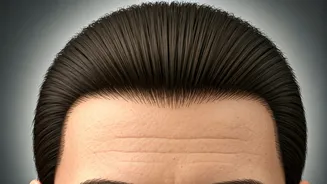
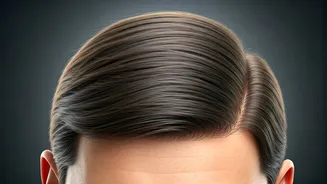
alteration in the hairline is often a natural part of facial maturation, particularly for boys. This gradual shift, commonly termed a 'maturing hairline,' typically progresses evenly and stabilizes without significant thinning, reflecting the evolving facial structure of a teenager. It’s a subtle transformation that doesn’t necessarily signal a problem and is a distinct process from actual hair loss.
Maturing vs. Receding
Distinguishing between a naturally maturing hairline and actual hair loss is crucial. A maturing hairline recedes gently and uniformly, eventually settling into a new, stable shape without noticeable thinning or gaps. In contrast, a receding hairline often appears more abrupt, can manifest unevenly (particularly at the temples or the crown of the head), and is frequently accompanied by a noticeable increase in the amount of hair falling out. This distinction is key to understanding whether the changes are a typical part of development or warrant professional attention.
Causes of Early Hair Loss
When a hairline's changes go beyond simple maturation, several factors can contribute to early hair loss in teenagers. Genetics often plays a significant role, with some individuals predisposed to early-onset male pattern baldness, where hair follicles gradually shrink. However, genetics isn't the sole culprit. The hormonal surges characteristic of puberty can influence hair health. Beyond that, chronic stress, inadequate nutrition, and certain scalp conditions can also negatively impact hair density and the hairline's appearance, necessitating a holistic view of potential causes.
Expert Advice & Care
For teenagers experiencing concerning hairline changes, immediate self-treatment is strongly discouraged. Dermatologists emphasize the importance of seeking professional evaluation to pinpoint the exact cause. They recommend consulting a dermatologist for a proper diagnosis and personalized advice. Alongside medical guidance, nurturing overall hair health involves adopting a balanced diet rich in essential nutrients, implementing effective stress management techniques, and practicing gentle hair care routines to avoid further damage and support robust hair growth.