





Freezing: A Preservation Powerhouse
Freezing is a sophisticated preservation technique that effectively halts the detrimental activity of enzymes and microbes responsible for food spoilage.
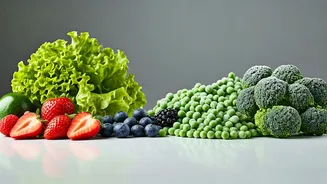
This process allows foods to maintain their quality for extended periods without the necessity of added preservatives like excessive salt or sugar. Critically, many fruits and vegetables are frozen at the zenith of their ripeness, a phase where their nutrient content is at its peak. This means that, in practice, frozen produce can often retain a superior profile of vitamins and minerals compared to fresh alternatives that endure lengthy transit and storage periods. Experts emphasize that the nutritional integrity of food is primarily dictated by the ingredients and preparation methods, rather than the freezing process itself. When high-quality ingredients are flash-frozen at their most nutritious point, the resulting product can be remarkably nutrient-dense, offering a valuable way to access peak nutrition year-round.
Hidden Dangers in Frozen Meals
While freezing itself is nutritionally neutral, many commercially prepared frozen foods pose significant health risks due to added ingredients. Packaged frozen meals frequently contain excessive sodium, used to enhance flavor and extend shelf life, with some meals approaching the American Heart Association's recommended daily limit of 2,300 milligrams. Beyond sodium, concerns also arise from the inclusion of unhealthy fats, artificial flavors, and various preservatives commonly found in items like frozen pizzas, snacks, and desserts. Regular consumption of these highly processed foods has been linked to an increased risk of serious health issues, including heart disease, obesity, and type 2 diabetes. Health professionals advise choosing frozen items that are as close to their natural, whole state as possible, prioritizing those rich in essential vitamins, minerals, whole grains, and heart-healthy fats to support overall well-being.
Nutrient Loss and Food Safety
It's true that some nutrient degradation can occur during food processing and storage. For instance, blanching, a common step before freezing vegetables, can lead to a reduction in water-soluble vitamins like Vitamin C and B. Over prolonged periods in the freezer, further nutrient decline is possible. However, this doesn't automatically make fresh food superior, as fresh produce also loses nutrients as it ages, particularly if stored for extended durations before consumption. The difference in nutrient levels in everyday scenarios is often not substantial enough to be a primary concern. Additionally, food safety is a crucial consideration often overlooked. Freezing does not eliminate all bacteria, and improper thawing or refreezing can lead to contamination. To maintain safety, experts recommend thawing frozen foods in the refrigerator, under cold running water, or using a microwave, rather than leaving them at room temperature, which encourages bacterial growth. Correct storage and reheating practices are just as vital as the initial food selection.
Convenience, Cost, and Smart Choices
The widespread popularity of frozen foods is largely attributable to their remarkable convenience, ability to reduce household waste, and cost-effectiveness. Purchasing in larger quantities and storing them allows consumers to manage their food budgets more effectively, especially when seasonal fresh produce is either unavailable or prohibitively expensive. Acknowledging the practicalities of modern living, experts highlight that the most beneficial food choice is one that is accessible, safe, and suitable for individual dietary needs, such as avoiding allergens or expired products. Ultimately, when choosing between frozen and fresh, there's no definitive winner. The healthfulness hinges on the specific food item and its preparation. A bag of plain frozen vegetables or unseasoned fish can be an excellent, healthy option, whereas heavily processed frozen meals laden with added sugar, salt, and fats should be consumed sparingly. Fresh foods are beneficial, provided they are stored and eaten promptly. A balanced dietary approach that incorporates both fresh and frozen options, coupled with careful attention to ingredient labels, offers a practical and sustainable path to healthy eating.