




White Tile's Appeal
White tiles are frequently chosen for their clean, bright aesthetic, making spaces appear larger and more open. Designers often recommend white for its
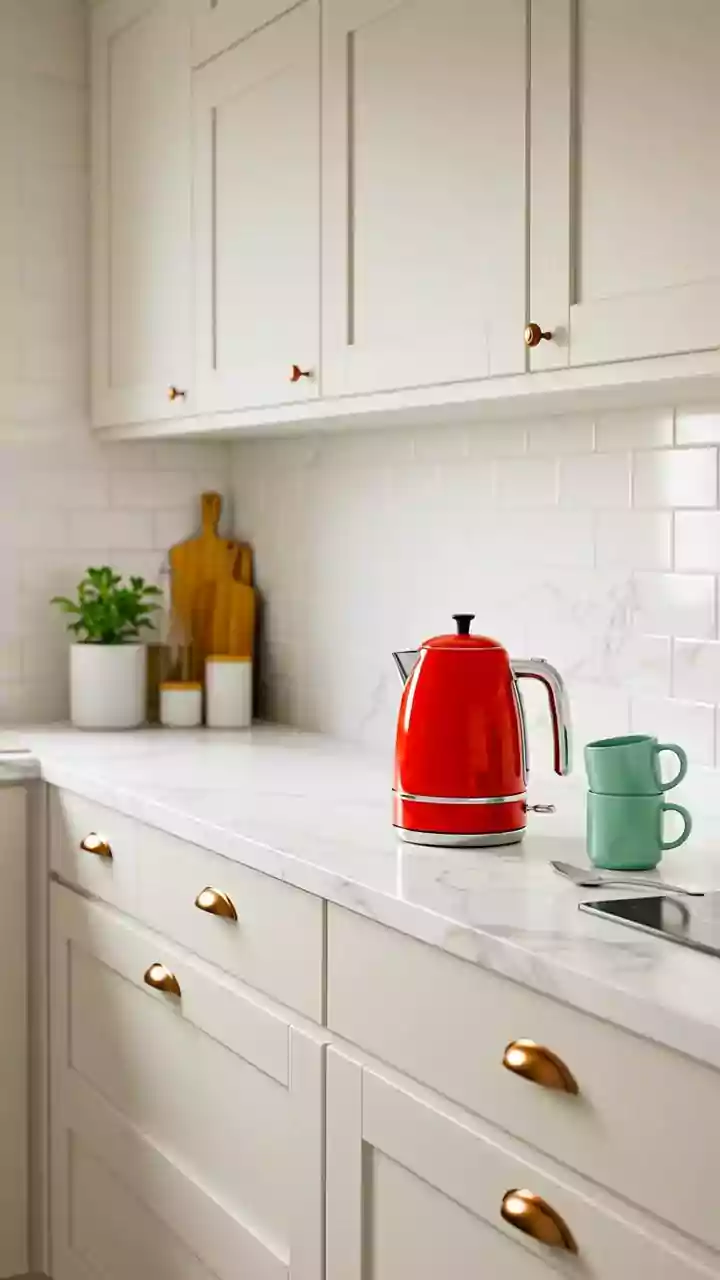
versatility, matching various design styles and color palettes. However, the selection should consider the type of white. Stark white can feel sterile, particularly in larger areas, whereas softer, warmer whites can create a more welcoming atmosphere. The choice depends significantly on the amount of natural light available, with well-lit spaces being able to handle a wider variety of white tones. The grout color is also crucial; darker grout can provide contrast, while lighter grout creates a seamless look. The tile's texture also plays a role; glossy tiles reflect more light, while matte tiles offer a more subdued appearance. Ultimately, the successful use of white tiles involves a thoughtful approach to balancing these elements.
Dark Tile Dilemmas
While dark, glossy tiles add a sense of luxury, they often pose practical challenges. Dark tiles can accentuate fingerprints, water spots, and dust, requiring frequent cleaning to maintain their appearance. In poorly lit spaces, they may make the room feel smaller and more enclosed. Designers suggest considering the room's function and natural light before installing dark tiles. Dark tiles in bathrooms might require regular wiping, whereas in areas with less use, the maintenance might be manageable. The reflectivity of dark, glossy tiles enhances the visibility of imperfections, and matte versions might be a better choice for hiding blemishes. In terms of design, dark tiles work well in contrast with lighter-colored walls and accents, creating a stylish look.
Regret Factors: Colors
Several factors contribute to tile color regrets. Homeowners often choose tile colors based on current trends or impulse without considering the long-term impact. The room's purpose and the amount of natural light are essential considerations. In kitchens and bathrooms, where cleanliness is crucial, dark colors can highlight dirt and water spots more. The size of the space also impacts color choice; darker colors can shrink smaller spaces, making them feel claustrophobic. Furthermore, tile color should align with the overall home design and the desired mood. Designers also stress the importance of testing tile samples in the space before committing. Observing the tiles under various lighting conditions throughout the day helps in making a better informed selection.
Tile Finish Considerations
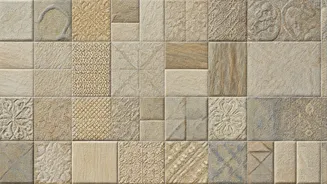
Beyond color, the finish of the tile substantially influences how well it ages. Glossy tiles, while offering a luxurious appearance, are notorious for showing smudges and watermarks. Matte tiles, on the other hand, tend to hide imperfections more effectively and are easier to maintain. Textured tiles can add depth and interest, but they can also be difficult to clean, trapping dirt and requiring more effort. The choice between these finishes depends on factors such as foot traffic, the room's use, and personal preference. Designers recommend assessing the practicality of the finish in specific areas. For instance, in entryways or kitchens, a less slippery, easily cleanable tile might be preferable. Before making a final decision, evaluate how the finish will perform and look over time.