






Beneath the Surface
Rome, often celebrated for its iconic landmarks like the Colosseum and the Roman Forum, holds a secret beneath its lively streets. This article reveals
a different side of the city, a subterranean realm. This unseen world is home to a vast network of tunnels, ancient structures, and hidden spaces, far removed from the city's usual tourist paths. It's an invitation to experience Rome in a new way, away from the crowds, and step into the depths of its past. This journey offers a unique chance to discover the hidden layers of history, architecture, and ingenuity that define Rome. The underground sites provide an immersive experience, allowing visitors to touch, feel, and explore what has been hidden for centuries. Discovering these places helps unlock a deeper appreciation of the city's complex and captivating narrative.
A Vast Network
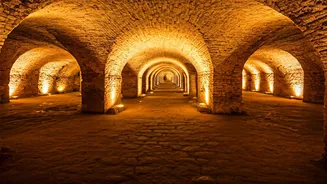
The underground of Rome is an impressive web of interconnected sites. Centuries of construction and development have created a dense network beneath the city. These hidden spaces encompass various functions and purposes. Some served practical needs, like water supply systems. Others were built for religious purposes, like catacombs, while many were used for shelter, storage, or as integral parts of ancient structures. Each location has its own story, contributing to the city's rich history. Exploring this intricate system allows for the discovery of hidden architectural details, from well-preserved frescoes to intricate mosaics. This network provides a unique insight into how Romans lived and built, preserving their innovations. The network is a testament to the city's resilience. The vastness of this network showcases the evolution of Rome.
New Layer of Rome
The exploration of Rome's underground is a journey through layers of history. This subterranean exploration reveals an extraordinary perspective, offering a glimpse into the past. Each step leads to a new discovery, from ancient tunnels to well-preserved residences. These subterranean spaces often feature architectural wonders, providing an in-depth understanding of the ingenuity of those who lived and built them. By uncovering the secrets of Rome, visitors gain a greater appreciation for its profound historical and cultural significance. The underground layer reflects the evolution of the city. Every element tells a story and expands our understanding of Rome's historical past.
Escape the Crowds
For those seeking a more personal experience away from the crowds, Rome's underground sites offer a tranquil refuge. These sites offer a break from the hustle and bustle of popular tourist locations. The underground environment provides a unique perspective on the city, allowing visitors to feel connected to its core. This offers an opportunity for quiet reflection and a more intimate connection with the city's historical heritage. It's a chance to escape and immerse in the timeless tales etched in stone and history. These hidden locations allow for a more rewarding journey than the crowded tourist spots above, promoting a serene and reflective experience. Discovering these sites is like uncovering a hidden treasure, providing a rich, personal, and unforgettable experience.
City of Water
The element of water is an essential aspect of Rome's identity, both above and below ground. The city's subterranean spaces reveal an extraordinary network of aqueducts, cisterns, and other water systems. They supplied water to the city's people, supporting daily life and grand infrastructure. Exploring these hidden waterways offers an insight into the engineering and resourcefulness of ancient Rome. Walking through these underground systems provides a tangible link to Rome's past. The water systems show the city's dependence on and respect for water, reflecting its fundamental role. The discovery of these historical water systems offers an innovative look at Rome's past.
Basement Churches
Beneath numerous churches, there exists an intriguing world of crypts, ancient chapels, and catacombs. These locations are the resting places of saints, martyrs, and other historical figures. They are filled with extraordinary artistry, including detailed frescoes and historical carvings. Exploring these hidden religious spaces offers a glimpse into the faith of the people who built them. These basement churches are like time capsules, showcasing the evolution of religious art and practice over many eras. Visiting these locations offers a profound experience, connecting visitors with a spiritual and historical past that has been hidden for centuries.
Domuses Galore
Rome's underground houses a wealth of ancient homes, commonly known as domus. These buildings were the homes of wealthy citizens. Exploring these ancient residences provides a unique insight into the everyday life of ancient Romans. Often remarkably well-preserved, these domus offer a look at the design, architecture, and interior decor of those times. Visitors can often find exquisite mosaics, frescoes, and other artifacts within these dwellings, presenting a detailed view of Roman society. Stepping into these ancient homes is like stepping back in time, allowing visitors to fully immerse themselves in the world of the ancient Romans and understand their lives.