
A Timeless Bond
For countless generations, families across India have depended on the bounty of nature, particularly during the winter months. Among the treasures provided
by the natural world, plants have played a crucial role, offering sustenance, medicinal properties, and cultural significance. This connection is not merely practical; it reflects a deep-seated respect for the environment and a reliance on its cyclical rhythms. The selection of specific winter plants showcases regional diversity and the ingenuity of people. The tradition of cultivating and utilizing these plants has been passed down through families, carrying knowledge and values that reinforce the ties between humans and nature. These plants represent more than just survival tools; they are symbols of continuity, embodying the spirit of resilience and adaptability of Indian culture.
The Winter Palette
The eight winter plants mentioned here vary across India, reflecting the diverse climatic conditions and agricultural practices. Some thrive in the cooler climes of the Himalayas, while others are better suited to the warmer regions. Certain plants are known for their nutritional value, providing essential vitamins and minerals during times when other food sources are scarce. Others are recognized for their therapeutic benefits, utilized in traditional medicine to address common winter ailments. These plants are grown not only for immediate consumption but also for preservation through various methods like drying or pickling. The utilization of different plants showcases local knowledge and the adaptive capacity of communities to use available resources. The variety of uses, from culinary to medicinal to cultural, highlights the plants' importance in the everyday lives of Indian people.
Nutritional Powerhouses
Several winter plants are rich in nutrients. These plants provide much-needed vitamins and minerals essential for maintaining health during the cold season. Root vegetables like carrots and radishes provide vitamins and fiber, supporting the immune system. Green leafy vegetables, such as spinach and mustard greens, are packed with vitamins A and C, along with essential minerals. These greens provide vital nutrients that combat seasonal illnesses. Moreover, pulses and legumes, which often form a component of winter dishes, are rich sources of protein and carbohydrates, providing the energy needed to stay warm and active. The cultivation of these nutritional powerhouses reveals how generations learned to harness nature's gifts, thus ensuring their survival during harsh conditions and contributing to their overall health.
Medicinal Winter Wonders
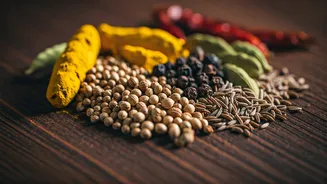
Alongside their nutritional contributions, many winter plants possess medicinal properties. Ginger and turmeric, frequently used in Indian kitchens, have anti-inflammatory and antioxidant properties, helping to fend off colds and flu. Herbs like tulsi (holy basil) are valued in Ayurveda for their immune-boosting effects and capacity to alleviate respiratory issues. Other plants may provide relief from joint pain or digestive problems that are common in winter. The knowledge of their medicinal applications has been passed down through generations, indicating the importance of traditional medicine and natural remedies. The utilization of these plants underscores the holistic approach to health, where food and medicine are closely related. This connection between nature and health demonstrates a profound understanding of natural remedies.
Cultural Significance
Winter plants are also integral to the cultural traditions of various Indian communities. Many festivals and celebrations throughout the winter feature dishes prepared with these seasonal plants. These meals are not simply culinary; they are symbols of cultural identity and communal bonds. The ways that these plants are used and prepared also highlight regional practices and cooking methods. For example, certain plants may be associated with specific deities or rituals, reinforcing their sacred status within the community. The practice of sharing meals made with these plants strengthens family ties and celebrates shared values. Therefore, winter plants are an essential part of the cultural tapestry, uniting people through food and traditions.
Sustainability and Tradition
The enduring reliance on winter plants across India reflects sustainable agricultural practices and a commitment to tradition. Many families cultivate these plants in their gardens or small farms, employing methods that respect the environment. These practices include organic farming techniques and the utilization of natural fertilizers. The knowledge of selecting and cultivating these plants is passed down from parents to children, helping to preserve a connection to the land and a respect for nature. Such sustainable practices ensure the continued availability of these essential plants. The preservation of these practices is crucial in maintaining a deep understanding of food production, cultural heritage, and ecological balance. It also helps in keeping alive the traditions passed on over centuries.
Adapting Through Time
While traditions endure, the way that these plants are utilized has adapted to changes in the modern era. The introduction of new agricultural methods, alongside climate change, presents both challenges and opportunities. There's a growing appreciation for the need to maintain the cultivation and consumption of these plants. Farmers and researchers are working to adapt traditional practices to ensure food security, and to combat the adverse effects of changing environmental factors. The resurgence of interest in local foods and traditional cuisines demonstrates an effort to conserve both cultural heritage and sustainable practices. The adaptation reveals a flexible and dynamic interaction between tradition and modernity. It reinforces the significance of these plants in the lives of contemporary Indians.
Future: A Continuous Cycle
The story of these winter plants is not just a tale of the past but also an ongoing narrative. The knowledge of these plants will continue to be passed on, and their significance will be sustained through generations. Efforts to celebrate and promote the cultivation of these plants and their associated dishes are pivotal in keeping this tradition alive. By valuing and preserving the knowledge connected with these plants, we are helping to ensure the continuation of a valuable cultural legacy. The continuous usage of these plants serves as a testament to the resilience and resourcefulness of the Indian people. They show how these plants are essential for sustainable practices and a deeper understanding of cultural values. These plants are much more than mere food; they stand for the spirit of India.