




Embrace Fatty Fish
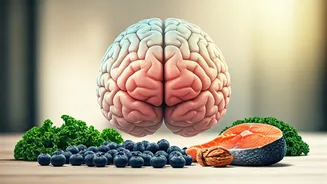
Nourishing your brain is akin to caring for your heart, as a significant portion of your body's blood supply fuels this vital organ. Neurologists emphasize
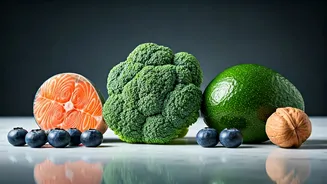
the importance of omega-3 fatty acids, abundant in fatty fish like salmon, grouper, and halibut. These healthy fats possess remarkable anti-inflammatory properties crucial for brain health. Dr. Aaron Lord, a chief of neurology, advocates for choosing wild-caught varieties over farm-raised options, as wild fish generally offer superior nutritional benefits and avoid potential contaminants found in some farm-raised feeds. Incorporating these aquatic powerhouses into your diet regularly can significantly contribute to cognitive well-being and protect against inflammatory damage.
Power Up with Greens
Don't underestimate the brain-boosting capabilities of leafy green vegetables. Instead of relying on costly supplements, integrate these nutrient-rich powerhouses into your daily meals. Leafy greens are excellent sources of essential nutrients such as fiber, folate, lutein, and beta-carotene, all of which play a critical role in cognitive function and overall health. Dr. Lord particularly favors options like bok choy, asparagus, and broccolini. For maximum nutritional absorption, he suggests preparing them through steaming, blanching, or sautéing, often enhanced with a drizzle of olive oil and a hint of roasted garlic added towards the end of cooking. The fiber in these vegetables also supports a healthy gut microbiome, which has a profound positive impact on brain activity.
Cherish the Tomato
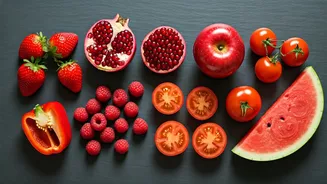
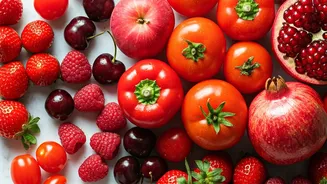
Embrace the vibrant red fruit – the tomato – for its incredible benefits to brain health. Tomatoes are packed with lycopene, a potent antioxidant closely related to beta-carotene. Antioxidants act as crucial defenders within the body, actively combating inflammation and oxidative stress. This protective action helps to mitigate the risk of neurodegenerative diseases, preserving cognitive function over time. Dr. Lord enjoys using larger varieties like grape tomatoes or tomato medleys, appreciating their versatility. They can be a refreshing addition to salads, a quick base for a flavorful sauce, or an elegant appetizer when paired with mozzarella, basil, and olive oil.
Snack on Nuts & Berries
Swap out unhealthy afternoon snacks for a more beneficial choice: a handful of walnuts and berries. While many nuts are beneficial, walnuts stand out for their superior ratio of omega-3 to omega-6 fatty acids, making them a top pick for brain health. Blueberries, another excellent brain food, are rich in flavonoids. These powerful antioxidants and anti-inflammatory compounds are instrumental in reducing the detrimental effects of stress on the brain. A fantastic way to consume both is by incorporating them into your breakfast, such as in overnight steel-cut oats, offering a nutritious and delicious start to your day.
Sip Coffee & Tea
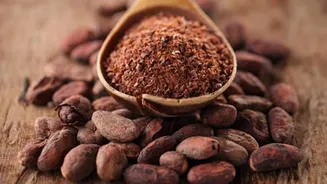
Your daily cup of coffee or tea might be doing more for your brain than you realize. Teas, derived from dried whole plants, are brimming with phytonutrients that can significantly enhance brain metabolism. Coffee beans, essentially dried and roasted berries, also offer substantial brain benefits. Both beverages are rich in flavonoids, which contribute to better glycemic control. Furthermore, the caffeine content in both coffee and tea can sharpen concentration and potentially lower the risk of dementia. However, it's advisable to consume caffeine in moderation to reap its benefits without adverse effects.