



Seal Air Leaks
One of the most immediate actions to take for a warmer home is to seal any air leaks. These leaks, often found around windows, doors, and other openings,
can significantly impact your home's ability to retain heat. Inspecting these areas thoroughly and applying weatherstripping or caulk can prevent drafts and significantly reduce heat loss. Pay special attention to windows and doors, as they are common sources of air leakage. Similarly, address any gaps around pipes or electrical outlets. Taking these steps can lead to a more comfortable living environment while also lowering your energy bills. This simple action can significantly enhance your home's ability to maintain a comfortable temperature throughout the winter season.
Insulate Properly
Proper insulation is crucial for keeping your home warm and is an investment that yields long-term benefits. Focus on insulating your attic, walls, and floors, as these are the primary areas where heat escapes. Insulation acts as a barrier, preventing heat from escaping and cold air from entering. The type of insulation you choose—such as fiberglass, cellulose, or spray foam—should be suitable for your home and budget. Consulting a professional can provide guidance on the most effective insulation methods for your specific needs. Adding or upgrading insulation can drastically improve your home's energy efficiency, leading to a warmer interior and reduced heating costs over time. This proactive step helps to maintain a consistent temperature, even during the coldest winter days.
Use Window Treatments
Window treatments, such as thick curtains or insulated blinds, play a key role in regulating your home's temperature. During the day, open your curtains to allow sunlight to naturally heat your home. When the sun goes down, close your curtains or blinds to create an insulating layer that prevents heat from escaping through the windows. Consider using thermal curtains, specifically designed to block drafts and retain heat. These curtains have a special lining that minimizes heat transfer, making them highly effective. The choice of window treatments can significantly impact your home's warmth and energy efficiency. By adapting to the day's sunlight and weather conditions, you can optimize your home's thermal comfort and conserve energy.
Reverse Ceiling Fans
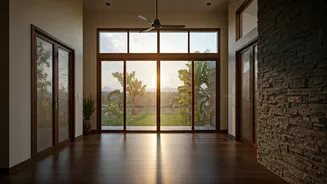
Ceiling fans can be utilized during winter to circulate warm air that rises to the ceiling. Most ceiling fans have a reverse switch, enabling them to spin clockwise, drawing the cool air upwards and pushing the warm air downwards. This creates a gentle circulation that distributes the heat evenly throughout the room. By reversing the fan, you are essentially recirculating the warm air that would otherwise remain near the ceiling, increasing the comfort level of the space. This simple adjustment can make a noticeable difference, especially in rooms with high ceilings. Running your ceiling fans in reverse, particularly in frequently used areas, can significantly enhance your home's overall warmth and efficiency.
Optimize Heating System
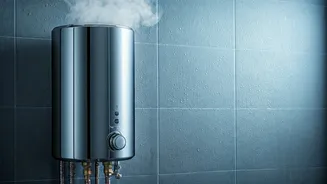
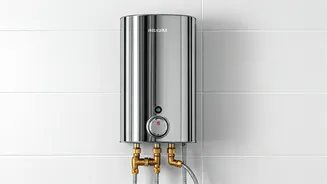
Ensuring your heating system is functioning efficiently is vital for maintaining a warm home. Have your furnace or heating system inspected and serviced annually to ensure it operates at peak performance. Change air filters regularly to maintain airflow and prevent the system from working harder than necessary. Consider programming your thermostat to lower the temperature when you are away from home or asleep, saving energy without compromising comfort. Explore installing a smart thermostat, which allows for precise temperature control and can adapt to your lifestyle. Regular maintenance and efficient operation of your heating system will keep your home warmer and your energy bills lower, leading to increased comfort throughout the winter.
Utilize Rugs and Carpets
Rugs and carpets offer a practical and stylish way to add warmth to your floors. Hard floors, such as tile or hardwood, can feel cold, particularly during winter. Adding rugs or carpets can create a layer of insulation, preventing heat loss through the floor. Choose rugs made from thick, warm materials like wool or shag to maximize their insulating properties. Strategically place rugs in high-traffic areas and beneath furniture to create a cozy atmosphere. The addition of rugs not only improves the overall warmth of your home but also adds texture and aesthetic appeal to your living spaces. Investing in rugs is a straightforward method to transform your home into a warmer, more comfortable sanctuary during the colder months.
Embrace Space Heaters
Space heaters can provide supplemental warmth in specific areas of your home, making them a practical solution for targeted heating. Use space heaters in rooms that you occupy most frequently, such as the living room or bedroom, to maintain comfortable temperatures. Choose energy-efficient models with safety features like automatic shut-off to minimize energy consumption and prevent accidents. Always place space heaters on a flat, stable surface, away from flammable materials. While space heaters offer a convenient way to heat small areas, be mindful of their energy consumption and use them strategically. By using space heaters judiciously, you can create warmer zones within your home without significantly increasing your overall heating costs.
Seal Fireplace Drafts
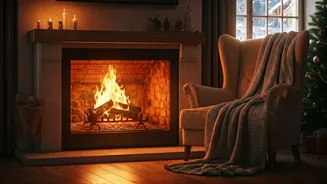
A fireplace can be a great feature in a home, but it can also be a source of significant heat loss if not properly sealed. Ensure that your fireplace damper is closed tightly when not in use to prevent warm air from escaping through the chimney. If your fireplace is rarely used, consider sealing the chimney completely. For fireplaces in use, install a fireplace insert with glass doors to minimize heat loss while providing radiant heat. Regularly inspect your chimney and flue for any damage or obstructions that could impact its performance. Sealing drafts around your fireplace helps to retain heat within your home, leading to improved comfort and reduced energy consumption. By addressing these potential heat loss points, you can make your fireplace more efficient and your home warmer during winter.
Bundle Up Indoors
Sometimes, the simplest solutions are the most effective. Embrace the idea of dressing warmly indoors to counteract the winter chill. Wear layers of clothing, including warm socks, sweaters, and possibly a hat. Using blankets while relaxing on the couch or in bed can add an extra layer of warmth and comfort. Encourage family members to stay cozy by providing warm clothing and blankets. By adjusting your indoor attire, you can reduce your reliance on your heating system and lower your energy costs. This practical approach not only keeps you warm but also fosters a sense of coziness and relaxation during the winter months. This is a very simple and efficient way to stay warm without making drastic changes to your home's heating systems.