



The Resilient Camel
The camel stands as a prime example of water conservation, famously enduring weeks without drinking. Its iconic hump stores fat, which is metabolically
converted into both energy and vital moisture, significantly reducing the need for external water sources. Furthermore, camels possess an exceptional ability to tolerate dehydration, losing more body fluid than most mammals without suffering critical effects. Their physiological adaptations extend to producing highly concentrated urine, a clever mechanism to minimize water loss through excretion. These combined traits allow them to navigate vast, arid deserts with an unparalleled capacity for survival in extreme drought conditions.
Kangaroo Rat's Secret
The kangaroo rat is a true marvel of desert adaptation, capable of living its entire life without ever drinking water. This tiny rodent meets all its fluid requirements solely through the moisture content of the seeds it consumes. Its kidneys are extraordinarily efficient at water retention, producing extremely concentrated urine to minimize loss. To further conserve water, kangaroo rats are primarily nocturnal, emerging only during the cooler night hours to forage, thereby avoiding the intense daytime heat that would accelerate dehydration. This suite of specialized behaviors and physiological traits allows it to thrive in environments where water is virtually non-existent.
Thorny Devil's Hydration
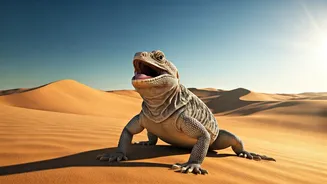
Inhabiting the arid landscapes of Australia, the thorny devil employs a fascinating method for hydration: it absorbs water directly through its skin. The intricate network of small channels covering its body is designed to efficiently collect even minute amounts of dew and rainfall. These channels then funnel the precious moisture towards its mouth, allowing the lizard to drink without actively seeking out water sources. This remarkable epidermal collection system enables the thorny devil to survive for months without direct water consumption, a testament to its unique evolutionary path in one of the driest continents on Earth.
Giraffe's Water Efficiency
The towering giraffe has evolved to go for considerable periods without needing to drink water. Its primary source of hydration is the vegetation it consumes, drawing sufficient fluids from leaves and shoots. Beyond its dietary intake, the giraffe's body is adept at conserving the water it does obtain, making it well-suited for life in the dry savannas. This dual strategy of obtaining moisture from food and efficiently retaining it within its system allows the giraffe to manage its water balance effectively, minimizing its reliance on standing water sources, which are often scarce in its natural habitat.
Desert Tortoise's Stash
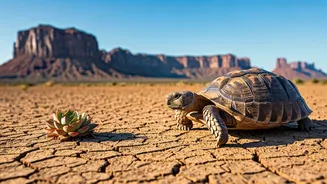
The desert tortoise is a master of water management, possessing the incredible ability to survive for many months without drinking. A key survival mechanism involves storing water in its bladder, which it can then reabsorb and utilize during prolonged dry spells. To further conserve precious fluids and escape the scorching desert heat, this reptile often retreats into its underground burrows during periods of drought. By seeking refuge from extreme temperatures and minimizing activity, the desert tortoise significantly reduces its water loss, ensuring its survival in harsh, arid conditions for extended durations.
Jerboa's Nocturnal Habits
Resembling a tiny kangaroo, the jerboa is a desert-dwelling mammal that showcases extreme water conservation. Much like the kangaroo rat, it rarely drinks water directly, relying instead on the moisture present in its diet of seeds and plants. Its nocturnal lifestyle is a crucial adaptation; by being active only at night, it avoids the dehydrating effects of the intense daytime sun. Complementing this behavior, the jerboa possesses highly specialized kidneys that are exceptionally effective at reabsorbing water, allowing it to excrete a highly concentrated waste and thus conserve vital fluids, making it perfectly suited for its arid environment.
Sand Gazelle's Resilience
The sand gazelle exhibits remarkable endurance when it comes to water scarcity, abstaining from drinking for extended periods. Its hydration needs are met almost entirely by the succulent desert plants that form its diet. Furthermore, this species possesses an impressive tolerance for extreme body temperatures. This physiological advantage allows it to avoid significant water loss through sweating, a common mechanism in many animals for cooling down. By minimizing evaporative water loss and obtaining fluids from its food, the sand gazelle thrives in its harsh desert habitat, demonstrating a profound evolutionary adaptation to arid conditions.