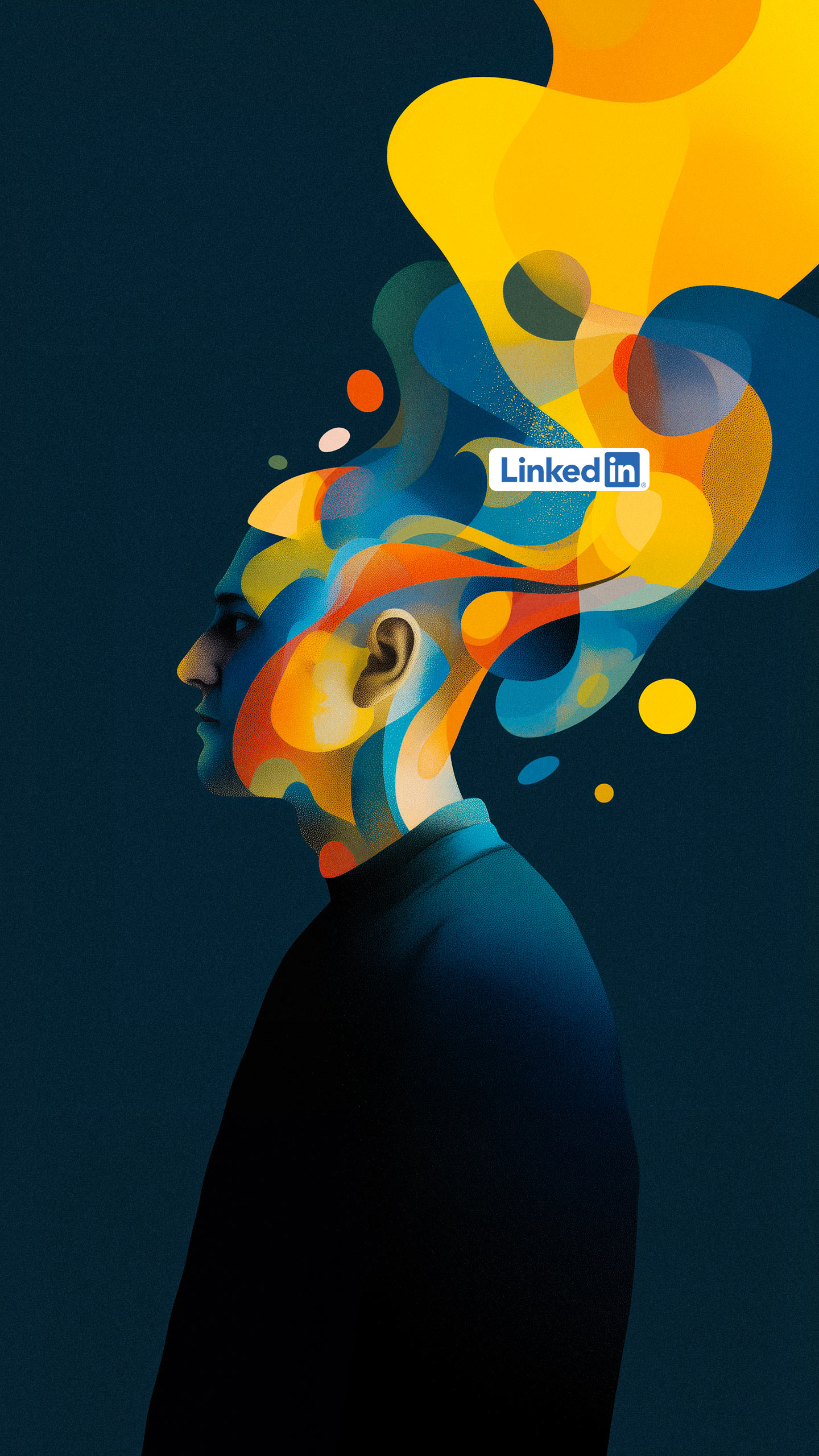







The Unplugged Brain
The human mind was not wired to function like a blinking notification light. In today's hyper-connected world, we often find ourselves awake at midnight,
staring at phone screens, replaying imagined conversations and crafting replies that will never be sent. This constant state of alertness, fueled by smartphones, read receipts, and the expectation of immediate responses, has fundamentally altered our brains. They've developed a new, persistent habit: they've stopped resting. As counselor and family therapist Archana Singhal explains, the digital age demands constant connection, transforming mobile phones, emails, and social media into relentless stimuli. This perpetual alertness, while enabling rapid communication, places a significant strain on our mental health, forcing our minds to remain actively engaged with problems even when we're physically at rest.
Restless Mind Syndrome
Our minds struggle to disengage when they anticipate something happening at any moment, a phenomenon rooted in conditioning rather than weakness. Each digital ping trains the brain to remain on high alert, and the expectation of instant replies reinforces the idea that silence is abnormal and delays require justification. Consequently, quiet is no longer perceived as a neutral state but as a problem that needs addressing. This is akin to waiting for a friend in a café; a short delay is manageable, but prolonged silence, especially when you see them online, can trigger anxieties and self-doubt. The phone doesn't create insecurity; it magnifies it, giving it a platform and a voice.
Love in the Digital Age
Modern romantic relationships often carry an unspoken mandate of constant availability. The expectation is that caring equates to immediate replies, and affection means picking up the phone instantly. A lack of prompt response can trigger suspicion, leading to overthinking. Even when rationally aware of potential reasons for a delay—like meetings, traffic, or fatigue—our emotional minds often jump to the most hurtful conclusions first. Singhal notes that this, combined with an ingrained 'turn-up culture' demanding immediate reactions, causes significant anxiety and stress. People may feel guilty for not responding or anxious about not being in constant communication. The irony is that while we seek emotional security, we demand continuous digital proof of it, transforming love into a measure of response time rather than trust, straining relationships by prohibiting peaceful silence.
Performance of Affection
The line between genuine connection and reassurance becomes blurred by technology, often leading individuals to cross it unknowingly. Actions like checking message read receipts, monitoring online statuses, and meticulously re-reading conversations to gauge tone are mentally taxing, even if they appear innocuous externally. What begins as affection can morph into a performance where individuals feel compelled to reply even when exhausted, apologize for minor delays, and remain partially engaged in multiple contexts. This constant effort to maintain a relationship's 'warmth'—much like keeping a phone plugged in when it's already fully charged—can breed unspoken resentment over time.
Work's Unseen Demands
While relationships test emotional availability, the workplace often demands moral availability. In fast-paced professional environments, responsiveness is frequently equated with commitment, leading to expectations of after-hours messages, weekend calls, and emails during leave. While not explicitly mandatory, these are implicitly 'expected.' Responding promptly leads to praise, while silence can be perceived as indifference, laziness, or disrespect. This dynamic prevents minds from fully disengaging, making rest feel conditional and time off feel borrowed, akin to a security guard still holding keys while off duty. Singhal highlights this as a primary cause of mental overload, with the brain bombarded by ceaseless information, leading to concentration issues, memory lapses, frustration, and profound mental fatigue regardless of achievements.
Friendships on Treadmill
Even the bonds of friendship are not immune to the pressures of the digital world. Group chats, instant reactions, and constant updates create an underlying tension. Failing to reply can feel like deliberate neglect, leaving a message unread implies intentionality, and opting out can be interpreted as withdrawal. These unspoken expectations hover, making it so that being digitally available to everyone often means being truly present with no one in real life. The mind unconsciously keeps track of these interactions, even when our hearts may not wish for it.
Anxiety's Digital Veil
In our always-connected era, anxiety often disguises itself as responsibility, thoughtfulness, or care. However, this constant vigilance prevents our nervous systems from receiving rest signals, making low-level alertness the default state. Even during quiet periods, our minds scan for updates like a radio searching for a signal. Social media exacerbates this, as Singhal points out, by fostering comparison. Curated online lives can make individuals feel inadequate or rejected, negatively impacting self-esteem and emotional well-being. Even casual scrolling can feel like a performance review, where others appear more productive, happy, and responsive, leading to feelings of failure despite unseen struggles.
Sleep: The First Casualty
Constant connectivity exacts a heavy toll on sleep. Singhal emphasizes that scrolling through feeds at odd hours, engaging in online discussions, and checking emails all disrupt natural sleep patterns. Exposure to screens before bed hinders relaxation, and subsequent sleep deprivation amplifies stress, negatively affects mood, and weakens emotional resilience. Notifications can even bleed into our dreams, leading to shallow rest and making anxiety a daily companion. Furthermore, Singhal notes that excessive digital connection can lead to emotional disconnection, as phone conversations can shorten and devalue real-life interactions, leaving individuals feeling unheard and lonely even while online.
Reclaiming Your Mind
To combat the relentless digital pull, it's crucial to develop a healthy balance. Singhal advises implementing clear boundaries, such as limiting screen time, disabling non-essential notifications, and scheduling regular digital detoxes. Engaging in offline activities like walking, reading, exercising, or spending undistracted time with loved ones is vital for mental restoration. Technology should serve as a tool, not a master. By consciously managing our connectivity, we can significantly reduce mental strain, enhance emotional health, and regain a sense of ease.
The Radical Pause
Our minds do not require perpetual alertness to be considered fully alive. Embracing moments of quiet and disconnecting without fanfare or guilt can be profoundly restorative. Allowing silence to simply be silence—not a threat, not a message, but a pause—is perhaps the most radical act in a world that rarely stops. This intentional disconnection allows for genuine rest and mental recalibration, fostering a healthier relationship with ourselves and our digital lives.