





Superstition's Aviation Grip
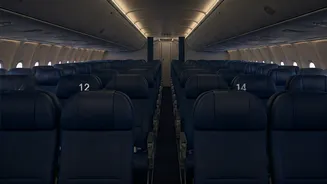
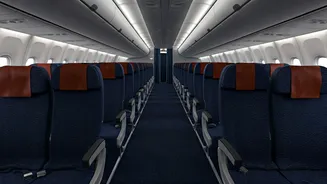
A curious observation on many commercial aircraft is the conspicuous absence of row 13. This isn't an oversight but a deliberate choice made by numerous
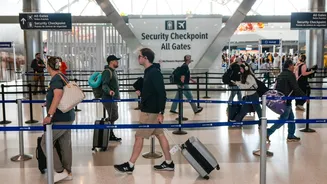
airlines, a phenomenon that extends even to airport gate designations. The reasoning behind this numerical skip is not rooted in engineering or flight safety protocols, which are rigorously governed by international standards. Instead, it stems from deeply ingrained psychological and historical beliefs. The number 13 has long been associated with misfortune in various cultures, notably Western traditions. A prominent historical instance often cited is the Last Supper, which involved 13 individuals and tragically preceded a betrayal. This historical weight has translated into modern life, influencing architectural choices like skipping the 13th floor in buildings and hotels avoiding room number 13. Aviation, despite its advanced technological nature, is not immune to these pervasive cultural influences. Airlines recognize that for many passengers, flying can already induce stress, and they aim to mitigate any potential sources of anxiety. By omitting row 13, carriers seek to enhance passenger comfort and reduce potential unease during the boarding process and flight. Airlines like Lufthansa and Air France are known examples of those that have adopted this practice, seamlessly transitioning from row 12 to row 14 in their seating arrangements, ensuring that the safety and operational integrity of the aircraft remain unaffected.
Customer Comfort Over Numbers
The decision to bypass row 13 in aircraft seating is fundamentally a strategic move centered on enhancing the passenger experience and appeasing customer psychology. While the technical specifications and safety of an aircraft are paramount and follow strict international regulations, the perceived comfort of the traveler is also a significant consideration for airlines. Even a small segment of passengers experiencing discomfort or hesitation due to the number 13 can lead to negative feedback or influence booking decisions. Therefore, removing this single, culturally sensitive number is a relatively simple and effective method to prevent potential passenger apprehension. This practice aligns with broader strategies employed by airlines to create a more welcoming and less stressful travel environment, akin to how hotels carefully design their spaces for comfort or how airlines manage cabin lighting and announcements. It's a subtle yet impactful way to address passenger comfort without compromising safety standards. It's also worth noting that this superstition is not universal; some airlines, particularly in regions where the number 13 does not hold negative connotations, include it without issue. In fact, in some countries, like Italy, the number 17 is considered more unlucky. Ultimately, the exclusion of row 13 is a testament to how deeply airlines consider passenger perception and psychology in their operational decisions, aiming for a smoother and more reassuring journey for everyone on board.