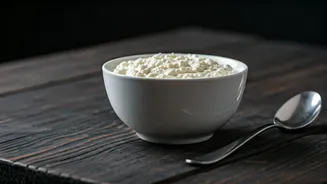







The Curd Conundrum
Curd, a staple in many diets, is widely recognized for its health benefits, including fostering gut health and supplying vital nutrients. However, a persistent
question lingers: is it wise to consume curd as the day winds down? While some individuals find it beneficial even at night, experts caution against it, pointing to potential digestive disturbances. This dietary dilemma often sparks debate, with varying experiences and beliefs contributing to the confusion. The key often lies in understanding the inherent properties of curd and how they interact with the body's natural rhythms as evening approaches. Its popularity stems from its versatility and nutritional value, making the discussion around its consumption timing all the more relevant for those seeking optimal well-being.
Ayurvedic Viewpoint on Nighttime Curd
From an Ayurvedic perspective, curd is classified as a food that is both sour and cold, and notably, it is considered heavy to digest. Dr. Dixa Bhavsar Savaliya, an Ayurvedic practitioner, highlights that consuming curd during the night can disrupt the body's Kapha dosha, potentially leading to a cascade of digestive woes. These can manifest as indigestion, uncomfortable bloating, persistent acidity, and in some cases, even contribute to the onset of colds and coughs. The concern is that when this heavy, sour food is ingested close to bedtime, it doesn't break down efficiently. Instead, it can remain in the digestive tract, undergoing a fermentation process. This fermentation can generate toxins within the gut and foster the proliferation of undesirable bacteria, thereby upsetting the delicate balance of the gut microbiome and negatively impacting overall health.
Gastroenterologist's Concerns
Gastroenterologists echo some of these concerns, emphasizing the density of curd and its impact on digestion, particularly as physical activity diminishes in the evening. Dr. Sukrit Singh Sethi explains that when thick curd is consumed for dinner and followed by lying down, the body's digestive mechanisms naturally slow down. This horizontal posture can exacerbate issues, potentially triggering acid reflux or a heavy chest sensation. Instead of providing a cooling effect, the undigested curd can sit in the gut, ferment, and produce gas, leading to significant bloating and a restless night. The cooling properties are often overshadowed by the mechanical strain placed on the stomach during this resting phase. This difficulty in digestion means that while curd might feel cooling, it can come at the cost of considerable digestive discomfort, especially when eaten late.
Smart Ways to Consume Curd
While the general advice leans towards avoiding curd at night, there are nuanced approaches for those who still wish to enjoy it. Dr. Savaliya suggests that moderation is key, and the preparation method matters. Curd that is at room temperature, rather than chilled, and not excessively sour, is considered a better choice. Furthermore, incorporating digestive aids can significantly improve its compatibility. Adding spices like cumin, coriander, or ginger can help balance the cold and sour properties of curd, making it easier to digest. She also strongly advocates for consuming curd during the daytime, particularly with lunch, when the body's digestive fire, or Agni, is at its peak, facilitating optimal nutrient absorption and digestion.
A Lighter Alternative
For individuals seeking a cooling and refreshing option in the evening without the digestive burden of thick curd, buttermilk, or 'chaas,' emerges as an excellent substitute. Dr. Sethi highlights that buttermilk is essentially diluted curd with the heavy fats removed, resulting in lower lactose content and a lighter consistency. Its key advantage lies in its ease of digestion; it travels through the digestive tract much more rapidly than dense curd. Buttermilk also offers necessary hydration without the caloric density associated with regular curd. This makes it a far kinder option for the gut lining during the late hours of the day. By opting for buttermilk, one can still enjoy a soothing dairy beverage without risking the potential for bloating, gas, or indigestion that can arise from nighttime curd consumption.
Listen to Your Body
Ultimately, the decision to consume curd at night hinges on individual tolerance and specific digestive health. Not everyone experiences adverse reactions, and some may find it perfectly agreeable. Dr. Ayushi Sharma, a general physician, points out that if consuming curd at night doesn't lead to any noticeable discomfort, there's generally no harm in continuing. However, for those who do experience issues like indigestion, acidity, or bloating, it's advisable to make dietary adjustments. This might involve avoiding curd altogether at night, consuming it in moderation during the day, or opting for lighter alternatives like buttermilk. Paying close attention to your body's signals and, when in doubt, consulting with a healthcare professional or an Ayurvedic practitioner can help guide you in making the best choices for your digestive well-being.