




What Are UPFs?
Step into any supermarket, and you're immediately greeted by a vast array of convenience foods. These packaged, pre-prepared, and often 'ultra-processed'
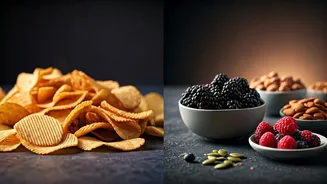
options, known as UPFs, are everywhere. But what exactly defines them? UPFs are essentially food products composed of numerous ingredients that have undergone extensive industrial processing. Their creation often involves adding preservatives, emulsifiers, artificial sweeteners, and vibrant colours to enhance taste, texture, and shelf life. Think of your typical packaged snacks, fizzy beverages, instant meal kits, and processed meats – these fall squarely into the UPF category. They are designed for convenience and widespread appeal, but recent scientific investigations are shedding light on their potential health implications, particularly concerning their association with a heightened risk of various cancers.
The Growing Evidence
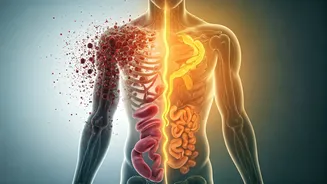
Mounting scientific evidence, published in reputable journals, points towards a significant correlation between the consumption of ultra-processed foods and an elevated risk of developing cancer. One notable study suggests that for every 10% increase in the proportion of UPFs within an individual's diet, there is a corresponding 12% rise in the likelihood of developing cancer. Furthermore, a large-scale research initiative involving over 100,000 participants specifically identified a link between a higher intake of these foods and an increased incidence of breast cancer. These findings are crucial for understanding the widespread impact of modern dietary habits and highlight the importance of scrutinizing the food choices we make daily.
Mechanisms of Risk
Several biological mechanisms are thought to contribute to how ultra-processed foods might escalate cancer risk. One significant factor is the presence of chemical preservatives, such as sodium nitrites, frequently found in processed meats like sausages and bacon. When these chemicals are ingested, they can transform into nitrosamines, a group of compounds recognized for their carcinogenic properties. Another concern arises from packaging contaminants; substances like Bisphenol A (BPA) and PFAS, often dubbed 'forever chemicals,' are utilized in plastic packaging and can linings. These chemicals have the potential to migrate into food and disrupt the body's hormonal balance, thereby potentially fostering the development of cancer. Additionally, UPFs often suffer from a nutritional imbalance, being deficient in vital fibre and essential nutrients while being excessively high in calories, sugar, and unhealthy fats. This nutritional profile can contribute to obesity, a well-established risk factor for at least 13 different types of cancer. Finally, certain emulsifiers, commonly added to improve texture and stability, may instigate chronic inflammation within the digestive tract, creating an environment that could inadvertently support cancer cell growth.
Distinguishing Processed Foods
It is crucial to differentiate between simply 'processed' foods and 'ultra-processed' ones, as not all packaged items pose the same risks. Foods that undergo minimal processing, such as canned beans or freshly baked bread, can still be integral components of a balanced and healthy diet. These items often retain much of their original nutritional value. In stark contrast, ultra-processed foods typically feature extensive ingredient lists that include numerous unfamiliar additives and chemicals. Their distinction lies in the depth and nature of industrial transformation. Therefore, while some processed foods can be consumed regularly, ultra-processed options are best enjoyed in moderation to mitigate potential health risks associated with their complex compositions and manufacturing processes.
Empowering Your Choices
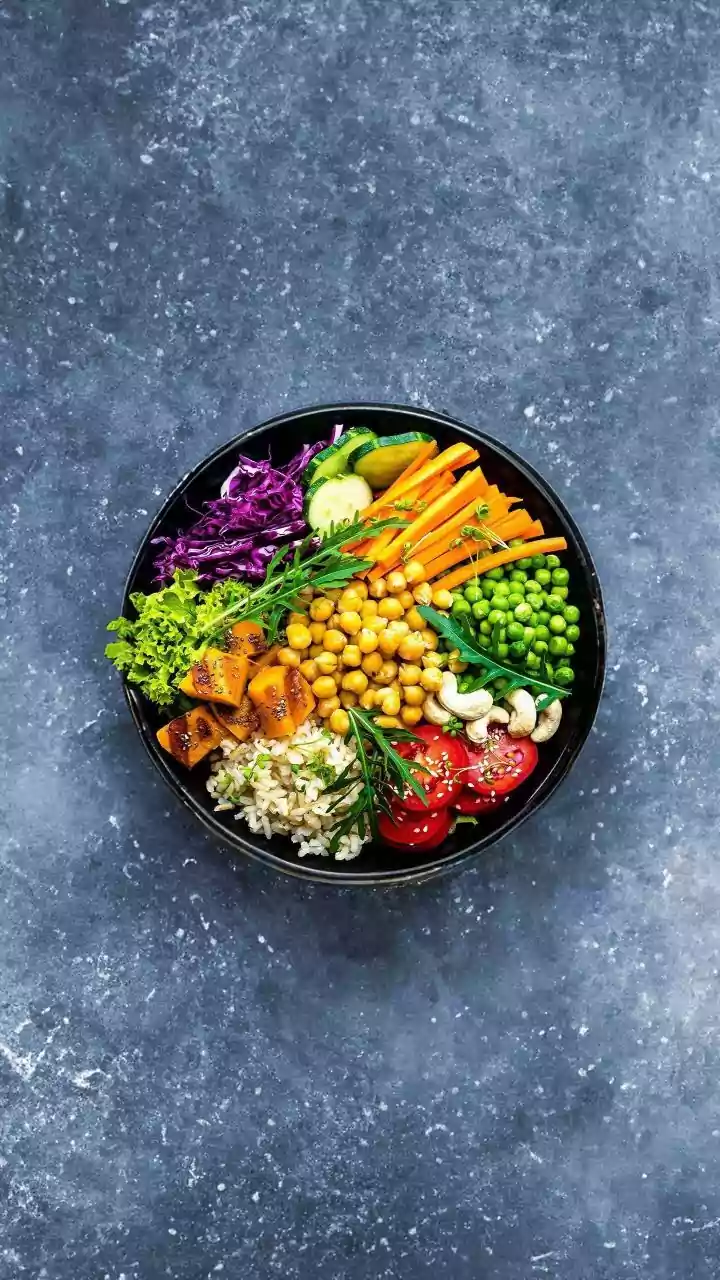
Completely eliminating all packaged foods from your diet may not be necessary or feasible for everyone, but making informed and mindful decisions can significantly reduce your risk exposure. Start by diligently reading food labels, prioritizing products with shorter ingredient lists, fewer additives, and lower concentrations of salt and sugar. Whenever possible, opt for cooking meals at home, utilizing whole, fresh ingredients that you can control. To avoid the potential leaching of harmful chemicals, never heat food in plastic containers; instead, use glass or ceramic alternatives. Prioritizing fresh produce, lean proteins, and whole grains over processed alternatives is a fundamental strategy. While genetic predispositions and broader lifestyle choices undoubtedly influence cancer development, your dietary habits represent a key, modifiable factor. By consciously reducing your reliance on ultra-processed items and embracing a diet rich in nutrient-dense, whole foods, you are taking a substantial and effective step towards promoting better long-term health and well-being.