


The Vintage Revival
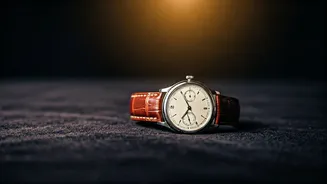
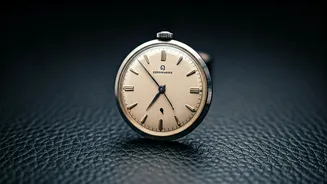
The year 2026 marks a significant resurgence in the popularity of vintage watches, with collectors increasingly drawn to smaller, more classic designs
over the oversized statement pieces that dominated previous trends. This shift towards understated elegance reflects a broader societal move towards minimalism and timeless style. Experts note that demand for these historical timepieces, particularly those with smaller case sizes, is on the rise, driven by a desire for enduring design and subtle luxury. These watches are more than just timekeepers; they are pieces of history, each with its own character and story etched into its design. The appeal lies not only in their aesthetic but also in the unique personality that comes from their age and previous journeys. Unlike modern, mass-produced items, vintage watches offer a sense of individuality and a connection to the past, making them highly sought after by those who appreciate craftsmanship and enduring value.
Caring For Your Heirloom
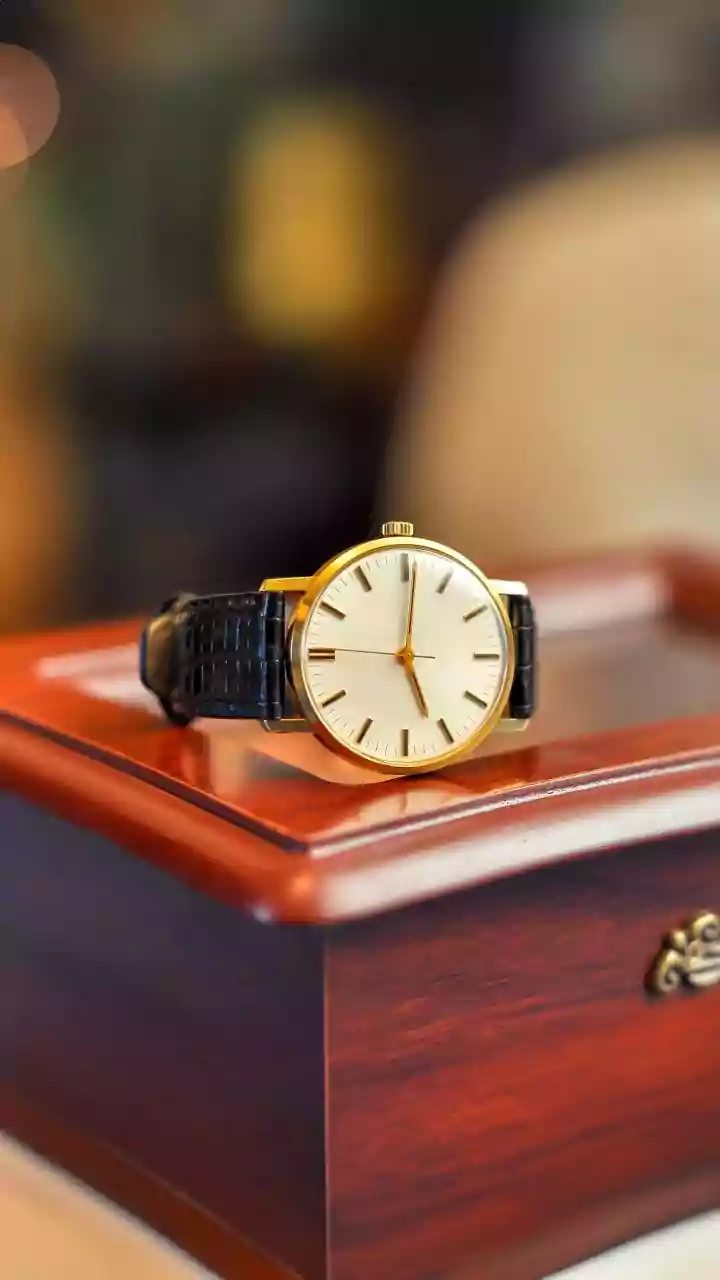
Preserving the beauty and functionality of vintage watches requires specific care. Gentle cleaning is paramount; avoid submerging the watch in water unless its water resistance is confirmed. Instead, use a soft, slightly damp, lint-free cloth for the case and crystal, and a soft brush for metal bracelets to dislodge dirt from crevices. Harsh chemicals or abrasive materials should be strictly avoided as they can irrevocably damage delicate finishes and components. Regular professional servicing, ideally every three to five years, is crucial. A skilled watchmaker can thoroughly clean the movement, replace any worn parts, and ensure optimal performance, akin to routine maintenance for a classic car. Proper storage is equally vital; keep your vintage watch in a cool, dry environment, away from direct sunlight and magnetic fields, ideally in a lined watch box. Magnetic fields from electronic devices can disrupt the watch's accuracy, and environmental extremes can accelerate deterioration.
Manual Winding & Protection
For manual-wind vintage watches, the winding process demands a delicate touch. It's essential to wind the watch gently and consistently until you feel resistance, at which point you should stop to prevent overwinding. Forcing the crown can lead to damage of the mainspring, a costly repair. Furthermore, vintage watches are susceptible to environmental extremes and should be kept away from high temperatures, excessive humidity, and water. Even if a watch was originally water-resistant, its seals may have degraded over time. These timepieces were not designed for the demands of modern, active lifestyles. By treating them with the care and respect due to their historical and delicate nature, you ensure they continue to function reliably and retain their aesthetic appeal for years to come. Building a relationship with a watchmaker specializing in vintage pieces is highly recommended for tailored advice specific to your watch's make and model.