




The Sweet Fusion
A recent culinary experiment has taken the internet by storm, presenting a daring combination of two beloved desserts: the flaky, buttery croissant and
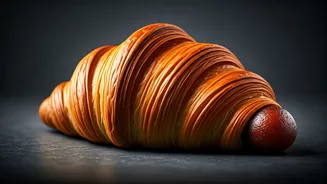
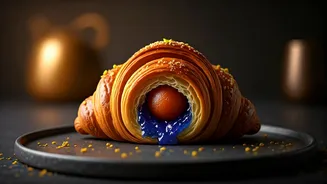
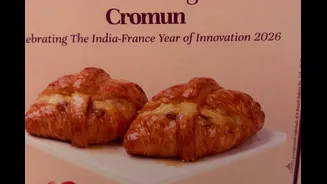
the syrupy, soft gulab jamun, an iconic Indian sweet. This innovative creation, dubbed the 'cromun,' aims to blend the textures and flavors of French patisserie with the rich, traditional taste of Indian confectionery. The idea is to encase the classic gulab jamun, often enjoyed warm with its cardamom and rosewater notes, within the airy layers of a freshly baked croissant. This ambitious fusion challenges conventional notions of dessert pairings, aiming for a delightful interplay between the crisp exterior and the moist, sweet interior, potentially offering a novel gastronomic experience for those daring enough to try it.
Online Stir
The unveiling of the 'cromun' has undoubtedly stirred a significant reaction across social media platforms, eliciting a polarized response from the online community. While some have expressed curiosity and a willingness to explore this unconventional blend, a substantial segment of the internet has reacted with dismay and even outright disapproval. Many traditionalists view this fusion as a sacrilege, an unnecessary tampering with two distinct and cherished culinary traditions. Comments range from amused skepticism to strong declarations of culinary offense, with some questioning the very concept of combining such disparate elements. This passionate debate highlights the deep emotional connection people have with their cultural foods and the strong opinions that emerge when these traditions are reimagined.
Culinary Divide
The 'cromun' has become a focal point for a broader conversation about culinary innovation versus tradition. On one side, proponents argue that food is an art form meant to be experimented with, pushing boundaries and creating new taste sensations. They see the cromun as a testament to globalized cuisine and the exciting possibilities that arise from cross-cultural culinary influences. Conversely, critics lament what they perceive as a lack of respect for established desserts, fearing that such fusions can dilute the authenticity and heritage associated with them. This clash of perspectives üniversalizes a fundamental tension in the food world: the drive for novelty versus the reverence for established culinary legacies, making the humble cromun a symbol of this ongoing gastronomic dialogue.