





The Science of Freshness
Baking soda's effectiveness in tackling mattress odors stems from its inherent properties of moisture absorption and odor neutralization. Porous substances
like baking soda have the capacity to trap and diminish smell-causing particles when allowed sufficient contact time. Research into the adsorption mechanisms of volatile organic compounds (VOCs) explains this phenomenon. Solid materials with a large surface area, such as baking soda, can capture these odor-producing compounds from the air through adsorption processes. Studies, like one published in Bioresource Technology, illustrate how porous adsorbents can bond with VOC molecules, thereby reducing their airborne presence. In essence, baking soda acts similarly by adsorbing the VOCs responsible for fabric odors, effectively neutralizing them.
Mastering the Application
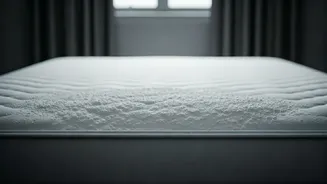
Achieving optimal results with baking soda on your mattress hinges on a precise application and sufficient waiting period. A light, even layer spread across the entire mattress surface is recommended. Crucially, allow this layer to remain undisturbed for a minimum of one hour. This extended contact time is vital for the baking soda to effectively absorb moisture and trap odor molecules. Once the waiting period concludes, thorough vacuuming becomes paramount. It's not merely about removing the visible powder; the objective is to extract allergens and microscopic particles lodged deeper within the mattress fibers. Scientific evidence supports the efficacy of repeated and thorough vacuuming in significantly reducing house dust mite allergens and other bio-contaminants, proving more effective than superficial cleaning.
Common Mistakes to Avoid
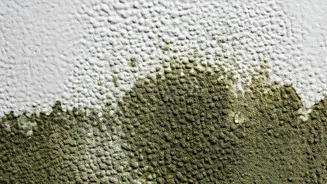
While the baking soda method is beneficial for light odors, it's essential to understand its limitations and avoid common missteps. A frequent error is the overuse of baking soda, as people mistakenly believe a larger quantity equates to superior results. However, excessive application can be counterproductive and may lead to difficulties in removal. Furthermore, baking soda is not a comprehensive cleaning solution; it primarily addresses surface odors. Research indicates that bedding materials can accumulate allergens deep within their structure over time, and surface treatments like baking soda may only refresh the top layer, failing to address underlying issues. Neglecting to properly dry the mattress after any cleaning process, including the use of baking soda, is another significant oversight. Moisture trapped within the mattress can foster mold growth and negatively impact indoor hygiene, leading to the absorption of new smells and potential health concerns.
Beyond Baking Soda
For more robust mattress cleaning and allergen reduction, a multi-pronged approach is more effective than relying solely on baking soda. Integrating baking soda into a broader cleaning regimen, rather than using it as a standalone fix, yields better outcomes. For instance, to tackle stains, a diluted solution of dish soap and water is often more efficient, addressing the stain directly without leaving powder residue. When dealing with tough stains like perspiration or spills, professionals often recommend hydrogen peroxide due to its ability to break down organic matter and its disinfecting properties, ensuring minimal moisture is used and thorough drying is achieved. Prevention remains a cornerstone of mattress maintenance. Utilizing a mattress cover offers protection against dust, sweat, and dirt, while regular vacuuming can manage dust accumulation. Ensuring adequate ventilation helps prevent humidity buildup, contributing to a healthier sleep environment overall.
Sustainable Mattress Care
The baking soda mattress trick, when applied correctly and in moderation, proves to be a valuable tool for enhancing mattress freshness. The key lies in a light application, allowing adequate time for it to work its magic, and then executing a thorough vacuuming procedure. When this technique is coupled with simple, consistent habits such as regularly airing out your bed and promptly addressing any stains, it seamlessly integrates into a routine that maintains a fresh mattress with minimal effort. The underlying principle is that gentle, consistent maintenance is far more effective than searching for quick fixes. By adopting these sustainable habits, you ensure your bed remains a clean and comfortable sanctuary throughout the night, promoting better sleep hygiene and a healthier living space.