





Ancient Origins Revealed
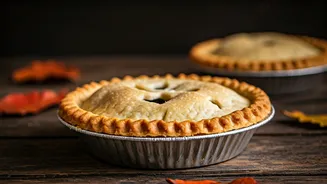
The mincemeat pie's story begins not in the cheerful kitchens of Christmas, but in the medieval era. It wasn't the sweet, fruity treat we enjoy today;
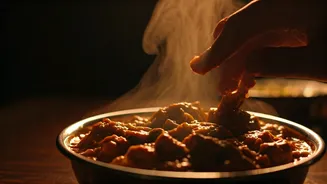
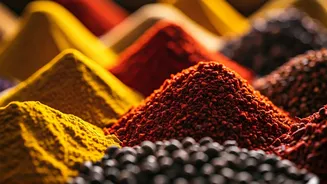
it was a savory dish. Originally, mincemeat pies were a way to preserve meat, often incorporating beef or mutton along with fruits, spices, and dried fruits. The recipe was a clever method of using up all the available ingredients, offering a long-lasting and flavorful source of nourishment. The early versions of this pie were a far cry from the modern dessert, reflecting the practical needs of the time, rather than a celebration of taste. This practice began in the Middle Ages, around the 13th century, bringing together the ingredients that were available, preserved, and served in one dish.
Transitioning to Sweets
As time passed, mincemeat pie underwent a significant transformation, shedding its savory roots. The shift from meat-based to fruit-based recipes marked a pivotal change in its identity. The inclusion of sugar, dried fruits like raisins, currants, and various spices, gradually made the pies sweeter, aligning them more closely with the festive spirit of Christmas. This transformation did not happen overnight, but rather unfolded through many generations and many different iterations in each family recipe. During the Victorian era, mincemeat pie evolved into something closer to its contemporary form. It symbolized both the abundance of the season and the culinary expertise of the home cook. The pie transitioned in ingredients, becoming an enduring Christmas tradition, celebrated in many homes, as the savory element was replaced by sweeter fruit and spices.
Cultural Significance in India
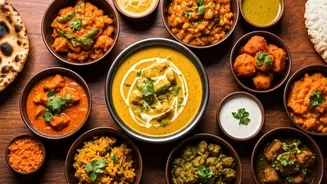
While mincemeat pie's historical roots trace back to medieval Europe, its significance has expanded across the globe, including India. The arrival of the British and their influence on Indian culture introduced mincemeat pie to the region, and it quickly became a favorite of those families who were able to access the ingredients needed. During the festive season, especially Christmas, the warm, spiced notes of the pie and its rich filling provide a sense of joy and comfort. It's a symbol of both cultural exchange and the universal appeal of delicious, comforting food. Through this, mincemeat pie became a symbol of a blend of tradition, celebrating both the familiar flavors of Christmas and adapting to the unique culinary landscape of the region.
Modern Mincemeat's Legacy
Today, mincemeat pie continues to grace tables around the world during the holiday season. The pie may differ from its early counterparts. While some recipes still include suet (animal fat), many modern versions use butter or vegetable shortening for a lighter texture. The filling can vary, too, with different combinations of fruits, spices, and sometimes even a touch of brandy or rum for extra flavor. The modern mincemeat pie represents the enduring spirit of adaptability. It has evolved to cater to modern tastes. The variations reflect the continuous evolution of culinary traditions, representing family recipes passed down over generations, a symbol of togetherness and celebration. Despite its evolution, the core of the mincemeat pie, a combination of sweet, savory, and spicy elements, remains an important taste of history, and a nostalgic comfort, for all.