





Lighting and Airflow
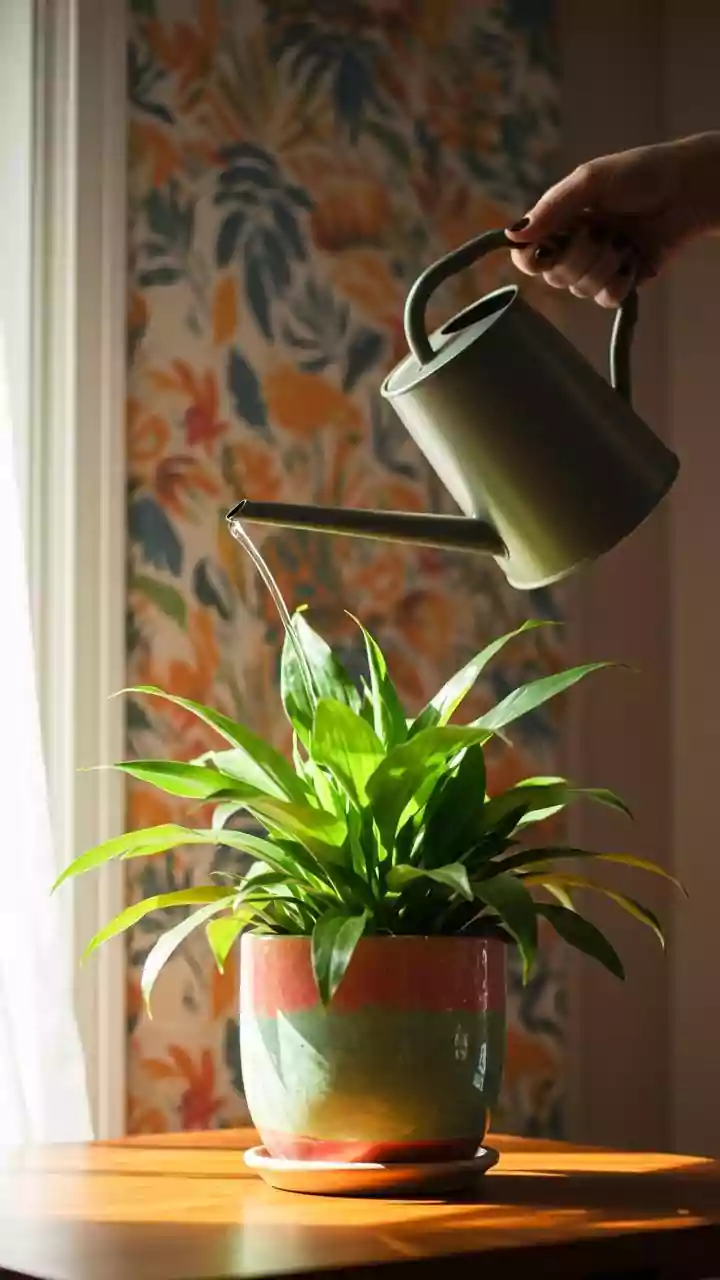
According to Vastu principles, a child's room should have good natural light and air circulation. Daylight during the day is vital, while soft, white lights
are preferable in the evening to create a relaxed environment. Harsh lighting, especially near the bed, should be avoided. The combination of fresh air and gentle lighting helps children relax and prepares them for sleep. This focus on natural elements is central to promoting a healthy and balanced living space for kids, supporting their physical and mental health.
A Vastu Checklist
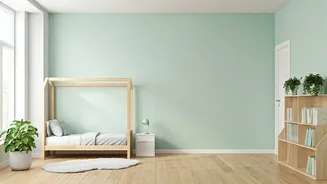
Here’s a quick Vastu checklist, simplifying the key points to consider when designing a kid’s room. In terms of room direction, the east or north-east is best. Dark, poorly lit rooms should be avoided. The ideal bed direction is with the head towards the east or south. Avoid having the bed directly under beams. For studying, facing east or north is recommended, while the study table should not face the bed. Light, soft shades are the best color choices, and storage should be organized in closed cabinets. Avoid heavy storage under the bed. This structured approach helps ensure a balanced and harmonious environment for children.
Things to Avoid
Certain placements in a child's room, according to Vastu, can disrupt the balance and comfort of the space. Mirrors directly facing the bed are not advised, as they can disturb sleep. It's also important to avoid keeping sharp objects in open view. The study table should not be placed under stairs, and it's best to avoid overcrowding the room with too many posters or wall hangings. A simpler, less cluttered room often promotes better focus and a sense of calm, which are essential for a child's well-being and development.
Small Home Solutions
Many homes may not allow for perfect adherence to Vastu principles, but that is perfectly normal. In small homes, it’s vital to focus on what can be controlled. Keeping the room clean and airy is key. Using light wall colors also helps in creating a sense of spaciousness. Carefully consider the placement of the bed and study table and maintain a fixed daily routine to foster a sense of security and structure. Vastu's effectiveness is gradual and adapts to real-life living situations, so consistent, small changes can make a big difference over time.
Final Considerations
Vastu for kids’ rooms focuses on a balance between comfort, routine, and direction. While direction and placement play a crucial role, the child’s sense of ease and well-being should always be the priority. A calm room, with proper lighting, organized storage, and thoughtful arrangement, will encourage better sleep and focus over time. Parents don't need to make drastic changes immediately. Instead, consistent small adjustments can create a positive impact over time, making the space more supportive for the child's overall development.