





Why Plants Deter Lizards
Lizards aren't usually found in homes without a reason; their presence is often linked to the availability of insects, which serve as their primary food
source. Therefore, by introducing plants that possess natural insect-repelling qualities, homeowners can inadvertently make their living spaces less attractive to these reptilian visitors. Furthermore, certain plants emit strong aromatic compounds that many lizards find unpleasant, prompting them to avoid areas where these plants are situated. This dual action—reducing the insect population and creating an aversive environment—makes flowering plants a clever, aesthetically pleasing method for pest control. It's a subtle yet effective strategy that complements a tidy living space.
Marigold: Sunny Repellent
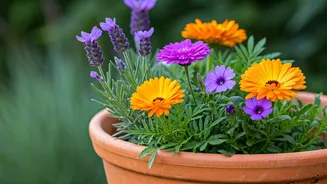
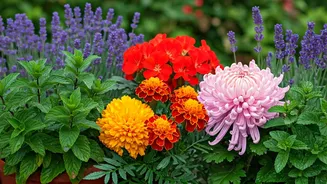
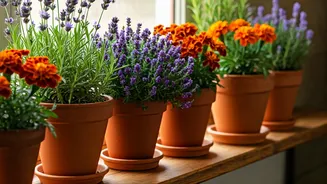
Marigolds, with their cheerful yellow and orange blossoms, are remarkably easy to cultivate and instantly brighten any environment. Beyond their visual appeal, these flowers emit a distinct aroma that many insects find off-putting. Since lizards are drawn to areas abundant with insects, reducing the bug population naturally discourages lizards from visiting. Planting marigolds near windows, balconies, or any suspected lizard hotspots can significantly diminish their presence. Their vibrant colours also contribute positively to home decor, offering a functional and decorative solution without any extra effort.
Lavender's Calming Scent
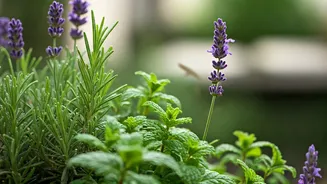
Lavender is widely cherished for its soothing and tranquil fragrance, commonly featured in aromatherapy products, candles, and skincare. However, this pleasant scent acts as a deterrent for lizards and many types of insects. By placing lavender plants near doorways and windows, you can effectively create a barrier that keeps bugs at bay, consequently reducing the appeal of your home to lizards. This offers a dual benefit: a more peaceful living space and a natural defense against unwanted pests. The refreshing aroma also adds a spa-like ambiance to your home.
Chrysanthemum's Hidden Power
Chrysanthemums are celebrated for their lush, colourful blooms that instantly enhance the aesthetic of any home. However, their beauty belies a potent natural defense mechanism. These flowers contain pyrethrins, which are compounds widely utilized in commercial insect repellents. While admired for their appearance, chrysanthemums are actively working to repel insects, thereby indirectly discouraging lizards. Their effectiveness is particularly noted in areas prone to insect congregation, such as balconies. With a diverse range of colours available, they serve as both natural pest controllers and attractive decorative elements.
Geranium: Fragrant Defense
Geraniums present a low-maintenance option for those seeking a straightforward solution to deter unwanted guests. They possess a distinctive, pleasant fragrance that, while not overpowering for humans, is effective at warding off insects and smaller pests, thereby making the environment less appealing to lizards. These plants thrive well in pots, requiring minimal attention and adding a gentle splash of colour to your home. Positioning them near windowsills or in corners where lizards have been spotted can provide a subtle yet effective deterrent. Their ease of care and visual charm make them a practical choice.
Mint Flowers: Potent Aroma
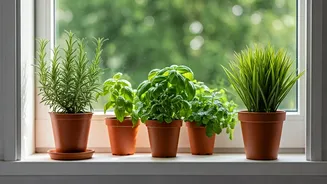
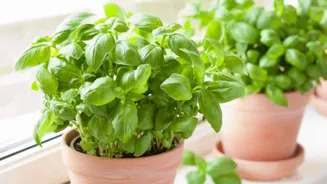
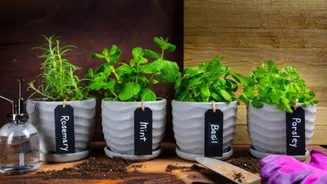
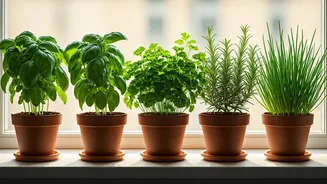
While mint is primarily known for its leaves, used in culinary delights and refreshing beverages, its flowers also possess valuable properties for pest control. The sharp, invigorating scent of mint is particularly effective at repelling lizards, as they tend to avoid areas with this strong aroma. Mint is incredibly easy to grow, often thriving even in small pots placed on kitchen windowsills or balconies. This offers the added advantage of having fresh mint leaves readily available for cooking, teas, or summer drinks, making it a highly practical addition to any home.
Beyond Plants: Holistic Approach
It's important to understand that these plants act as helpful allies rather than a complete solution for lizard removal. For optimal results, integrating these natural repellents with consistent good housekeeping practices is key. This includes maintaining a clean living space, refraining from leaving food residues, promptly addressing damp or moist areas, and sealing any small cracks or gaps in walls. By combining the repellent power of these flowering plants with diligent home maintenance, you significantly enhance your ability to reduce the presence of unwanted visitors over time, creating a more comfortable and pest-free environment.