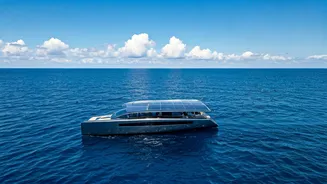







The New Sailboat
The evolution of sailboats has entered a new era. Innovative designs are emerging, driven by a desire for enhanced performance and efficiency. Unlike conventional
sails, these new sails utilize advanced materials and aerodynamic principles to capture wind energy more effectively. This leads to increased speed, better maneuverability, and reduced reliance on auxiliary power. These next-generation sailboats are often equipped with automated systems that adjust sail trim in real-time. Moreover, the integration of lightweight composites and hydrofoils further reduces drag, enhancing speed and stability. These advances promise a future where sailboats are not just recreational vessels, but also highly efficient and sustainable modes of transportation, capable of longer voyages and a reduced environmental footprint. This is more than just a redesign; it's a complete reimagining of how sailboats can harness the power of the wind.
Exhaust Capture Systems
Sustainability is a core focus in the maritime sector. One area where advancements are making a significant impact is exhaust capture technology. These systems are designed to mitigate the environmental impact of traditional combustion engines by capturing exhaust emissions. They work by filtering out harmful pollutants before they are released into the atmosphere. This filtration process can include capturing particulate matter, sulfur oxides, and nitrogen oxides. The captured pollutants can then be treated or stored for later disposal. This technology is particularly beneficial in reducing air pollution in ports and coastal areas, improving air quality, and aligning with stricter environmental regulations. Moreover, advancements in exhaust capture are paving the way for the adoption of cleaner fuels and propulsion systems within the boating industry. The goal is to make boating a much more sustainable activity, reducing the harmful impact on the planet.
AI Navigation: Surfing Currents
Artificial intelligence is playing a pivotal role in optimizing navigation, transforming how boats interact with the ocean's currents and waves. AI-powered navigation systems leverage advanced algorithms and real-time data to analyze weather patterns, ocean currents, and vessel performance. These systems can predict the most efficient routes, allowing boats to effectively 'surf' currents, reducing fuel consumption and travel time. Furthermore, AI helps in decision-making by providing critical information about potential hazards such as storms, rogue waves, and other vessels. AI can also optimize sail trim and engine settings, based on real-time data, to maximize performance. This level of automation not only improves the boating experience but also makes navigation safer and more reliable. With AI, boaters can achieve greater efficiency and make better decisions, ensuring a smoother, more enjoyable journey at sea.
Future Sail Designs
The evolution of sail design is a continuous process, with engineers and designers constantly seeking improvements in performance and efficiency. Future sails are incorporating cutting-edge materials and designs to maximize wind capture and reduce drag. These sails often feature flexible, lightweight materials, such as carbon fiber and advanced composites, that can dynamically adjust their shape to suit changing wind conditions. Aerodynamic principles are being rigorously applied to optimize sail profiles for greater lift and less resistance. Innovative designs, such as wingsails and rotating masts, are also being explored to improve the efficiency of wind capture and vessel control. This ongoing development aims to make sailboats more versatile, efficient, and user-friendly, expanding their capabilities and appealing to a wider range of users, ensuring that sailboats remain at the forefront of sustainable marine transport.
Embracing Shore Power
Shore power represents a significant stride toward environmental sustainability in the boating world. This technology allows boats to connect to the electrical grid while docked in marinas. This eliminates the need for boats to run their diesel generators to power onboard systems, reducing emissions, noise pollution, and fuel consumption. Shore power infrastructure involves the installation of electrical hookups at docksides and on the boats themselves. These connections offer various voltage and amperage options to suit different vessel requirements. By utilizing shore power, boats can significantly reduce their environmental footprint and contribute to cleaner air and quieter harbors. Furthermore, the adoption of shore power enhances the overall boating experience, providing a more pleasant environment for boaters and surrounding communities, encouraging the growth of eco-friendly boating practices and supporting the reduction of emissions across the industry.