






Setting the Stage
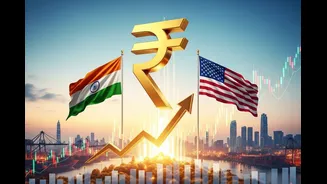
India's economic ambitions are prominently focused on the year 2026, marking a period of potential transformation. This timeline presents a horizon for achieving
considerable growth targets, alongside efforts to establish a more self-reliant economic structure. This involves bolstering domestic manufacturing capabilities and reducing reliance on external suppliers, especially in critical sectors such as technology and manufacturing. The government and various industries are actively strategizing to capitalize on emerging opportunities while navigating challenges posed by global economic volatility. A key component of this strategy involves leveraging India’s demographic dividend, focusing on skill development, and creating a conducive environment for entrepreneurship and innovation. The overall goal is to position India as a key player in the global economy, capable of driving sustainable and inclusive growth.
Manufacturing Self-Reliance
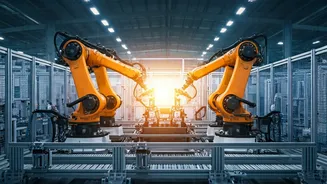
A cornerstone of India's economic strategy for 2026 is enhancing manufacturing self-reliance. This approach involves significant investments in domestic production capabilities across multiple sectors, with a particular emphasis on reducing import dependency. The government is backing this through policy reforms, incentives for local manufacturers, and initiatives to improve the ease of doing business. The aim is not just to manufacture goods within India but also to build a resilient supply chain that can withstand global disruptions. This strategy is also driven by geopolitical considerations, where countries strive to secure their essential supplies. Furthermore, this initiative aims to generate jobs, foster innovation, and increase the overall competitiveness of the Indian economy on a global scale. The pursuit of self-reliance is seen as a crucial step towards long-term economic stability and sustainable growth.
Economic Growth Drivers
Several factors are expected to drive India's economic expansion in the run-up to 2026. These include ongoing infrastructure development, investments in renewable energy, and the rise of digital technologies. Infrastructure projects, such as roads, ports, and railways, are critical to improving connectivity and facilitating trade. Investments in renewable energy align with global efforts to combat climate change, while also opening up new economic opportunities. Digital transformation, encompassing areas like e-commerce, digital payments, and fintech, is revolutionizing the economy and creating new avenues for growth. Moreover, government policies aimed at promoting entrepreneurship, attracting foreign investment, and streamlining regulatory processes are expected to further boost economic activity. The combined effect of these factors is anticipated to create a positive environment for businesses, generate employment opportunities, and lift overall economic growth.
Challenges & Considerations
While the outlook for India's economy is generally positive, several challenges and considerations could impact its growth trajectory. These include global economic uncertainties, geopolitical risks, and domestic factors like inflation and unemployment. A slowdown in major global economies could affect India's exports and investment flows. Geopolitical tensions could disrupt supply chains and increase costs. Addressing domestic issues, such as inflation and job creation, is crucial to ensuring inclusive growth and maintaining social stability. Furthermore, India must make progress in key areas such as education, healthcare, and skill development to fully realize its economic potential. Overcoming these challenges will require proactive policies, effective governance, and a focus on long-term sustainable development. It is a balancing act of navigating the external environment while addressing internal matters to ensure the economy moves towards its desired targets.