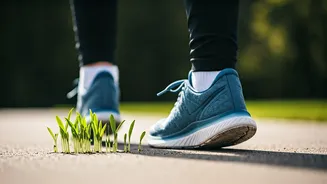







Footwear's Hidden Impact
The shoes we choose daily are more than just fashion statements; they actively dictate how our body manages impact forces, affecting everything from our feet
to our hips. As shoes age, their ability to cushion and support diminishes, leading to altered shock absorption. This breakdown means more stress is transferred directly to our joints, particularly the knees and ankles, potentially causing pain and discomfort. High heels, for instance, force an unnatural forward lean, increasing pressure on the knees, while overly flat or unsupportive shoes compromise natural shock absorption. Selecting footwear that offers adequate cushioning, robust structural support, and a proper fit is paramount to minimizing strain and preserving the longevity of our joints. Understanding this connection empowers us to make informed choices that benefit our entire kinetic chain, from the ground up.
Warm-Up: Prepping Joints
Before engaging in physical activity, a proper warm-up is not just a recommendation but a necessity for safeguarding your joints. This preparatory phase significantly increases tissue temperature and enhances blood circulation, which in turn improves the range of motion available to your joints. A key benefit is the reduction in the viscosity of synovial fluid, the crucial lubricant within your joints, leading to better lubrication. Furthermore, a warm-up makes your muscles more elastic and better equipped to absorb impact forces. This improved efficiency means that sudden, jarring stresses are less likely to affect the delicate cartilage, ligaments, and tendons, ultimately promoting smoother, more coordinated movements and reducing the risk of injury.
Avoid Weekend Overload
Your joints thrive on consistency, adapting best to gradual, repeated stresses rather than abrupt surges in activity. Engaging in intense physical exertion after extended periods of inactivity, often termed 'weekend overload,' substantially elevates your risk of injury. This is because fatigued muscles are less capable of providing the necessary support and stabilization for your joints. Consequently, this deficiency shifts excessive stress onto passive structures like cartilage and ligaments, increasing the likelihood of microdamage and strains. Maintaining a regular activity level, even at a moderate intensity, is far more beneficial for joint health than sporadic, high-impact bursts.
Supplements: A Supporting Role
While not a primary solution for joint health, certain supplements can play a beneficial supporting role in managing symptoms. For example, collagen supplements have shown potential in studies to aid cartilage metabolism and alleviate joint pain for some individuals. Additionally, omega-3 fatty acids and turmeric are well-regarded for their potent anti-inflammatory properties. These compounds work by influencing inflammatory pathways in the body, which can contribute to reduced pain and improved overall joint function. It is crucial to understand, however, that these supplements do not replace the importance of mechanical load management or directly rebuild damaged joint tissues. They are best viewed as adjuncts to a comprehensive joint care strategy.
Sitting Too Long's Toll
Prolonged periods of sitting can have a detrimental effect on joint mobility and health. Extended inactivity significantly curtails the movement of your joints and impedes the circulation of synovial fluid. This fluid is vital for nourishing the cartilage that cushions your joints, and its reduced flow can compromise cartilage health over time. Moreover, remaining sedentary weakens the muscles that are critical for stabilizing your joints, such as the glutes and core muscles. When these stabilizers disengage, the load is disproportionately shifted onto the joints themselves, leading to increased stiffness, reduced support, and a heightened risk of strain and discomfort, especially when you eventually move.